People take thyroid medication like levothyroxine every day - millions of them. It’s safe. It works. But when it’s taken wrong, it can turn dangerous. Too much? You could end up with a racing heart, shaking hands, or even a trip to the ER. Too little? Fatigue, weight gain, and brain fog that won’t go away. And it’s not always an accident. Some people take extra pills on purpose - to lose weight, to feel more energized, or because they think it’ll help them perform better at the gym. What they don’t realize is that thyroid medication misuse isn’t just risky - it’s often life-threatening.
What Happens When You Take Too Much
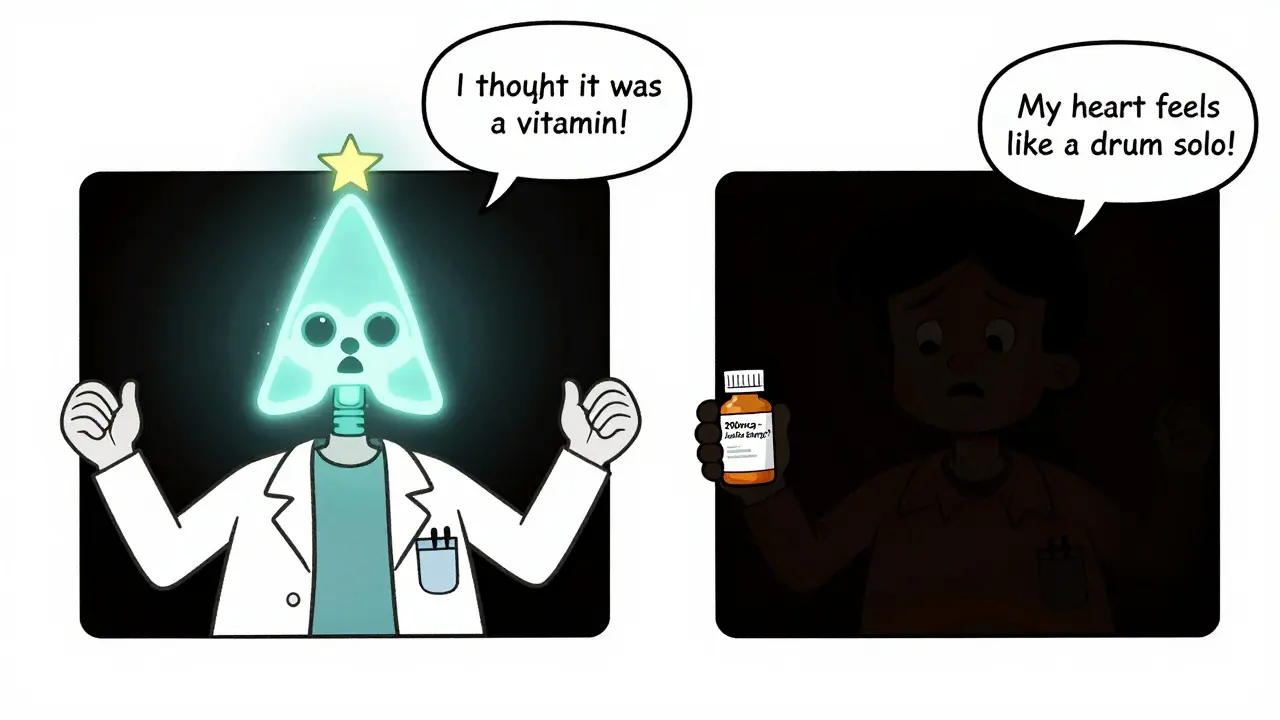
Taking too much levothyroxine - whether on purpose or by mistake - causes thyrotoxicosis. That’s just a fancy word for too much thyroid hormone in your blood. Your body starts running on overdrive. Symptoms show up fast: weight loss even if you’re eating normally, hands that shake, heart palpitations, sweating like you’re in a sauna, and insomnia. Some people feel anxious or irritable without knowing why. Others get diarrhea, nausea, or a fever. In extreme cases, body temperature spikes above 104°F. That’s not a heat stroke - that’s your metabolism literally burning out of control.What makes this worse is that many people don’t realize what’s happening. They think the symptoms are just stress, caffeine, or aging. But if you’re taking more than your prescribed dose, your TSH (the hormone your brain uses to tell your thyroid when to slow down) plummets. Your T3 and T4 levels shoot up. And your thyroid? It’s sitting there, quiet, because it’s being overridden by the pills you’re swallowing. That’s why doctors use a radioactive iodine scan to tell the difference. In Graves’ disease - the most common autoimmune cause of hyperthyroidism - the thyroid lights up like a lantern on the scan. In medication-induced cases? It stays dark. The problem isn’t your gland. It’s the pills.
One 2009 case report described a woman who developed choreoathetosis - uncontrollable twisting movements in her arms and legs - because she was taking 200 mcg of levothyroxine daily. She thought it would help her lose weight. Within a week of stopping, the movements vanished. No brain damage. No surgery. Just a simple overdose.
What Happens When You Take Too Little - Or Skip Doses
On the flip side, skipping doses or stopping medication cold turkey causes hypothyroidism. Even if you were prescribed the right dose, inconsistency creates chaos. Your body needs steady thyroid hormone. When you miss pills, your energy crashes. You feel tired all the time. Cold all the time. Gain weight even though you’re eating less. Your skin gets dry. Your hair starts falling out. Your mood dips. These aren’t just inconveniences - they’re signs your body is slowing down.And here’s the trap: some patients skip doses because they feel better. They think they don’t need it anymore. But thyroid hormone doesn’t work like antibiotics. You don’t “cure” hypothyroidism. You manage it. Stopping leads to rebound symptoms - often worse than before. A 2022 survey found that 19% of patients admitted to skipping doses. Of those, 43% had symptoms flare up within 72 hours.
Even worse, some people take their pill right after eating breakfast - especially if they had coffee or calcium-rich foods like yogurt or fortified orange juice. That reduces absorption by up to 50%. So even if they’re taking the right dose, their body isn’t getting it. They go back to their doctor saying, “I’m still tired.” The doctor, seeing normal TSH, thinks the dose is fine. The patient stays sick. It’s a cycle.
Medications You Didn’t Know Could Hurt Your Thyroid
It’s not just levothyroxine. Other drugs can wreck your thyroid without you realizing it. Amiodarone - a heart rhythm drug - contains 37.3% iodine. That’s like dumping iodine crystals into your system. It can cause both hyperthyroidism and hypothyroidism. People on amiodarone need thyroid tests every 3 months. Many don’t get them.Iodinated contrast dyes - used in CT scans - can trigger thyrotoxicosis 2 to 12 weeks later. This is called the Jod-Basedow effect. It happens in people with underlying thyroid issues. They get scanned for a kidney stone or a lung infection. Weeks later, they’re shaking, losing weight, and having chest pain. No one connects the dots.
Then there are cancer drugs: immune checkpoint inhibitors. These are lifesavers for melanoma and lung cancer. But they can cause the immune system to attack the thyroid. Up to 8% of patients on these drugs develop thyroid dysfunction. It often starts with mild fatigue - easy to miss. But left unchecked, it can lead to full-blown thyroid failure. That’s why doctors now recommend testing every 4 to 6 weeks during treatment.
Lithium, used for bipolar disorder, causes hypothyroidism in 15-20% of long-term users. It’s not rare. It’s expected. But many psychiatrists don’t monitor thyroid levels regularly. Patients are told, “You’re depressed again,” when the real issue is low thyroid hormone.

Who’s at Risk - And Why
It’s not just people with thyroid disease. A 2021 study found that 12% of patients presenting with hyperthyroid symptoms were actually misusing thyroid meds. Most were women. Average age: 34.7. Many were fitness enthusiasts. Some were trying to lose weight. Others believed thyroid pills boosted metabolism and energy - like a legal steroid.One Reddit user wrote: “I took 200mcg daily for 3 months. Ended up in the ER with a heart rate of 142. Doctors said I was lucky to be alive.” Another said: “My doctor kept increasing my dose because I kept losing weight. I was secretly taking extra pills. Took six months to stabilize after I confessed.”
And it’s not just online forums. A 2022 survey by the Thyroid Research Institute found that 8.7% of gym-goers admitted to using thyroid medication without a prescription. They’re buying it online. Or stealing it from family members. Or getting it from shady websites. The FDA tracked 217 websites selling thyroid hormones without prescriptions in 2022 - up 43% from 2020.
Even more concerning: compounded thyroid pills. These are custom-mixed by pharmacies. They’re not FDA-approved. One patient might get 75 mcg. Another, with the same prescription, gets 110 mcg. Between 2018 and 2022, 127 cases of iatrogenic hyperthyroidism were linked to these inconsistent formulations.
How to Avoid the Trap
The good news? Most of these problems are preventable.First - never change your dose without talking to your doctor. Even if you feel better. Even if you feel worse. Don’t add pills. Don’t skip them. Don’t take someone else’s.
Second - take your pill the same way every day. On an empty stomach. At least 30 to 60 minutes before breakfast. No coffee. No calcium. No iron. No antacids. These all block absorption. If you take them together, you’re wasting your medication.
Third - get tested regularly. When you start, you need blood work every 6 to 8 weeks. Once stable? Every 6 to 12 months. If you’re on amiodarone or cancer drugs? Every 4 to 6 weeks. TSH doesn’t adjust instantly. It takes 6 weeks to reflect a dose change. Testing too soon gives false results.
Fourth - if you’re on levothyroxine and you feel “too wired,” get your levels checked. Don’t assume it’s anxiety. Don’t assume it’s stress. Your doctor can run a simple blood test and a radioactive iodine scan to rule out abuse or overdose.
And if you’re worried you’ve been taking too much? Don’t panic. Stop taking extra pills. Call your doctor. Most mild cases resolve within 2 to 3 weeks of stopping. But if you have chest pain, a heart rate over 120, or trouble breathing - go to the ER. Don’t wait.
What’s Changing - And What Gives Hope
There’s progress. In June 2023, the FDA approved the first digital levothyroxine pill with an ingestible sensor. It tells your phone when you took your dose. Early studies show a 52% drop in dosing errors. That’s huge.Point-of-care TSH testing is now available in some clinics. Results in 15 minutes. No waiting. No missed appointments. Doctors can adjust doses the same day.
And telemedicine programs are helping. Remote monitoring, video check-ins, automated reminders - these cut misuse by nearly 30% in pilot programs. The American Thyroid Association predicts these tools will reduce medication-induced thyroid problems by 35-40% by 2035.
But technology won’t fix everything. Education will. Patients who get clear, detailed counseling about their medication are 63% less likely to mess up their dosing. That’s not a small number. That’s life-changing.
Thyroid medication isn’t a magic weight-loss pill. It’s not a performance enhancer. It’s a hormone replacement. Take it right, and you feel normal. Take it wrong, and you risk your heart, your bones, your mind. You don’t need to be an athlete. You don’t need to be desperate. You just need to understand: thyroid hormones are powerful. Treat them like they are.
Can taking too much levothyroxine cause permanent damage?
Yes - especially to your heart and bones. Chronic overdose can lead to atrial fibrillation, a dangerous irregular heartbeat that increases stroke risk. It can also cause osteoporosis. Studies show bone density drops 2-4% per year in untreated cases. Most damage reverses after stopping the excess medication, but not always completely. Early intervention is key.
How do I know if my thyroid symptoms are from my meds or something else?
Your doctor can test your TSH, free T4, and thyroglobulin. If your TSH is low and T4 is high, but your radioactive iodine uptake is low, it’s likely medication-induced. Autoimmune causes like Graves’ show high uptake. Also, if you’ve recently changed your dose, started a new drug, or skipped pills, that’s a big clue. Always tell your doctor everything you’re taking - even supplements.
Is it safe to take thyroid medication if I don’t have hypothyroidism?
No. Not unless a doctor has diagnosed you with hypothyroidism and prescribed it. Taking thyroid hormones without a medical need forces your body to suppress its own hormone production. That can lead to dependence and permanent thyroid dysfunction. It also increases your risk of heart problems, bone loss, and muscle wasting. There’s no benefit - only danger.
Can I stop my thyroid medication if I feel fine?
Never stop without talking to your doctor. Hypothyroidism is usually a lifelong condition. Stopping your medication will bring back symptoms - fatigue, weight gain, depression - and can lead to myxedema coma, a rare but deadly condition. Even if you feel good, your body still needs the hormone. Your doctor will adjust your dose if needed, but never stop cold turkey.
Why do some people gain weight after starting thyroid medication?
That’s usually not the medication. It’s the body returning to normal. Many people with untreated hypothyroidism retain water and have slowed metabolism. When they start thyroid hormone, they lose that excess fluid - which feels like weight loss. But if they were already at a healthy weight, the medication doesn’t cause weight gain. If they gain weight after starting, it’s likely due to diet, lack of exercise, or an incorrect dose. Always check your TSH levels if you notice unexpected changes.
What to Do Next
If you’re on thyroid medication and you’re unsure about your dose - or if you’ve been skipping pills or taking extra - make an appointment. Don’t wait for symptoms to get worse. Bring your pill bottle. List everything you’ve taken. Ask for a full thyroid panel and a discussion about your habits. If you’re not being monitored regularly, ask why. If your doctor dismisses your concerns, get a second opinion.If you know someone who’s using thyroid pills to lose weight - talk to them. Gently. They might not realize how dangerous it is. Share this information. Point them to resources. You could save their life.
Thyroid medication is a tool - not a shortcut. Use it right, and it gives you back your health. Use it wrong, and it takes everything away.