

Getting itchy after taking morphine or oxycodone doesn't automatically mean you're allergic. In fact, most people who think they have an opioid allergy are actually experiencing a side effect known as a pseudoallergic reaction. This distinction matters because true allergies are rare, while itching is a common, manageable response that shouldn't stop you from getting effective pain relief.
If you've been told your chart says "allergic to opioids" but you've only ever felt some skin tingling or mild flushing, you might be missing out on better treatment options. Understanding the difference between a simple side effect and a dangerous immune response helps you advocate for yourself in the doctor's office and ensures you get the right care without unnecessary fear.
Why Opioids Cause Itching: The Histamine Connection
To understand why this happens, we need to look at how your body processes these drugs. Many opioids, particularly natural ones like morphine and codeine, trigger the release of histamine from cells called mast cells. When histamine floods your system, it causes blood vessels to dilate (leading to flushing) and nerves to fire (leading to itching). This process is direct; your immune system isn't attacking the drug, so it's not technically an allergy.
This mechanism explains why the reaction is often dose-dependent. If you take a higher dose, you likely get more itching. Morphine, for example, releases significantly more histamine than synthetic alternatives like fentanyl. Research indicates that morphine can cause itching in up to 40% of patients, whereas fentanyl causes it in only about 10%. This chemical difference is key to managing symptoms effectively.
True Allergy vs. Pseudoallergy: Spotting the Difference
So, how do you know if you're dealing with a harmless side effect or a genuine threat? A true opioid allergy is an immunological event where your body creates antibodies against the drug. These reactions are rare, affecting less than 1% of patients. They typically involve multiple body systems and escalate quickly.
Here is a breakdown of what to look for:
- Pseudoallergic Reaction (Common): Localized itching, mild redness or flushing, sneezing, sweating, or mild dizziness. These symptoms usually appear shortly after the dose and subside as the drug wears off. They rarely affect breathing or heart rate significantly.
- True Allergic Reaction (Rare): Hives (raised welts), swelling of the lips or tongue (angioedema), wheezing or difficulty breathing, rapid drop in blood pressure, or a rash that spreads widely. These require immediate medical attention.
If your reaction was just "my arms felt tingly," it was almost certainly a pseudoallergy. If you had to use an epinephrine auto-injector or went into shock, it was likely a true allergy.
| Feature | Pseudoallergic Reaction | True Allergic Reaction |
|---|---|---|
| Mechanism | Direct histamine release | Immune system activation (IgE/T-cell) |
| Frequency | Common (up to 40%) | Rare (<1%) |
| Symptoms | Itching, flushing, sneezing | Hives, swelling, breathing issues, shock |
| Dose Relationship | Symptoms worsen with higher doses | Can occur with any amount |
| Management | Antihistamines, dose adjustment | Avoidance, desensitization |
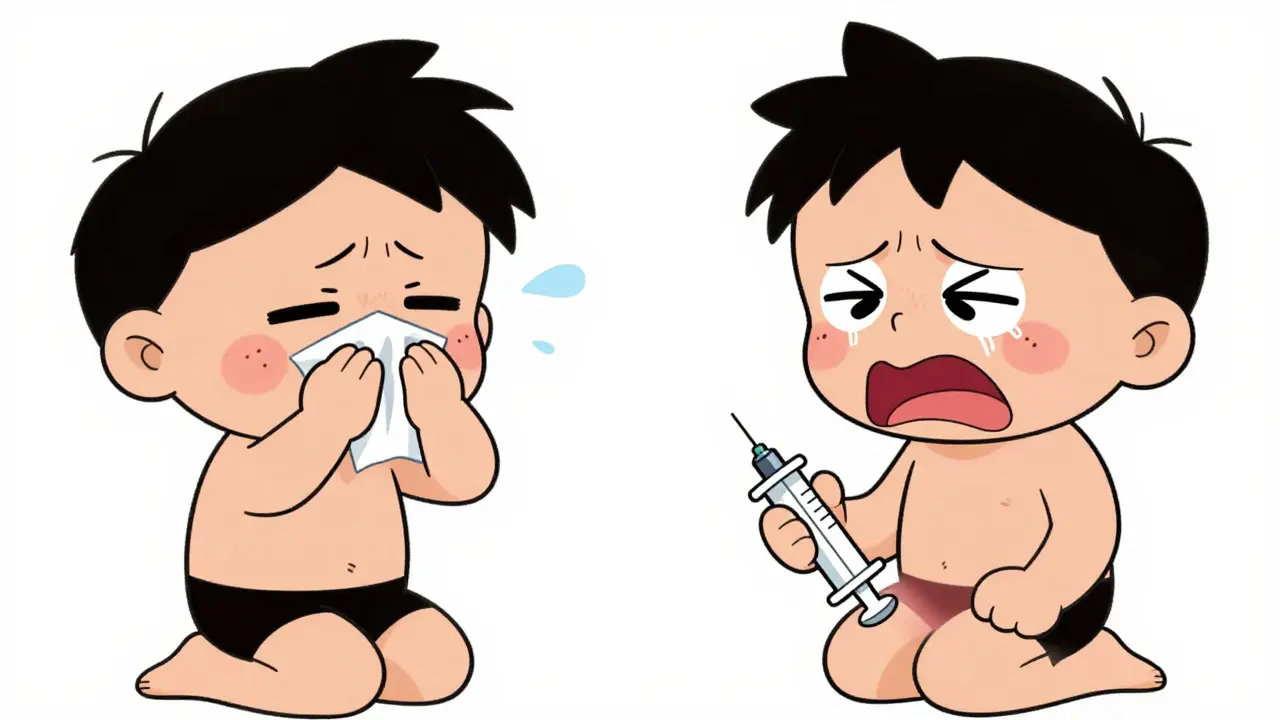
What to Do When You Experience Itching
If you are currently taking opioids and experiencing itching, don't panic. Here are practical steps to manage the discomfort safely.
- Don't Stop Abruptly Without Advice: Stopping opioids suddenly can lead to withdrawal symptoms. Talk to your prescriber first.
- Ask About Antihistamines: Over-the-counter antihistamines like diphenhydramine (Benadryl) or cetirizine (Zyrtec) can block the histamine effect. Doctors often prescribe these to be taken 30 minutes before the opioid dose to prevent the itch from starting.
- Consider Dose Adjustment: Sometimes, simply lowering the dose by 25-50% reduces the histamine release enough to make the itching tolerable while still providing pain relief.
- Switch Opioid Types: If one drug causes severe itching, switching to a different class often solves the problem. For instance, moving from a phenanthrene (like morphine) to a phenylpiperidine (like fentanyl) can drastically reduce histamine release.
Many patients find that using a fentanyl patch instead of oral morphine eliminates the itching entirely, allowing them to continue their pain management plan without interruption.
The Risk of Mislabeling Your Chart
One of the biggest problems in healthcare today is the "allergy label." If a nurse writes "Allergy: Morphine - Itchiness" in your electronic health record, every future doctor sees that warning. They may avoid prescribing any opioids, even those that wouldn't cause a reaction, leaving you in unmanaged pain.
Studies show that over 90% of patients labeled as opioid-allergic can safely take alternative opioids once properly evaluated. To fix this, ask your doctor to update your chart. Instead of "Allergy," specify "Side Effect: Pruritus (Itching) with Morphine." This precise documentation allows future providers to make informed decisions rather than playing it safe by avoiding all strong painkillers.

When to See a Specialist
While most cases are straightforward, some situations warrant a visit to an allergist or pain specialist. Consider seeking further evaluation if:
- You have experienced hives, swelling, or breathing difficulties in the past.
- Multiple different opioids have caused similar reactions, suggesting a complex sensitivity.
- Your pain is severe, and you need a specific opioid that previously caused a reaction (a process called desensitization may be required).
Allergists can perform skin tests to confirm whether a true allergy exists. While not always necessary for simple itching, these tests provide peace of mind and clear data for your medical team.
Frequently Asked Questions
Is itching from opioids dangerous?
Usually, no. Itching (pruritus) is a common side effect caused by histamine release. It is uncomfortable but rarely life-threatening. However, if accompanied by breathing trouble or swelling, seek emergency care immediately.
Can I take Benadryl with my opioids?
Yes, but consult your doctor first. Combining opioids with antihistamines can increase drowsiness. Taking an antihistamine before the opioid dose is a standard strategy to prevent itching.
Which opioids cause the least itching?
Synthetic opioids like fentanyl and methadone generally cause less histamine release than natural opioids like morphine and codeine. Fentanyl patches are often a good alternative for patients sensitive to morphine.
How long does opioid-induced itching last?
It typically lasts as long as the drug is active in your system. For short-acting opioids, this is a few hours. For long-acting forms or patches, it may persist until the medication level drops significantly.
Does being allergic to morphine mean I'm allergic to all opioids?
Not necessarily. Cross-reactivity depends on the chemical structure. If you react to morphine (a phenanthrene), you might tolerate fentanyl (a phenylpiperidine) well. An allergist can help determine safe alternatives.




Categories