
Supplement Interaction Risk Simulator
Select a medication and a supplement to simulate the interaction check.
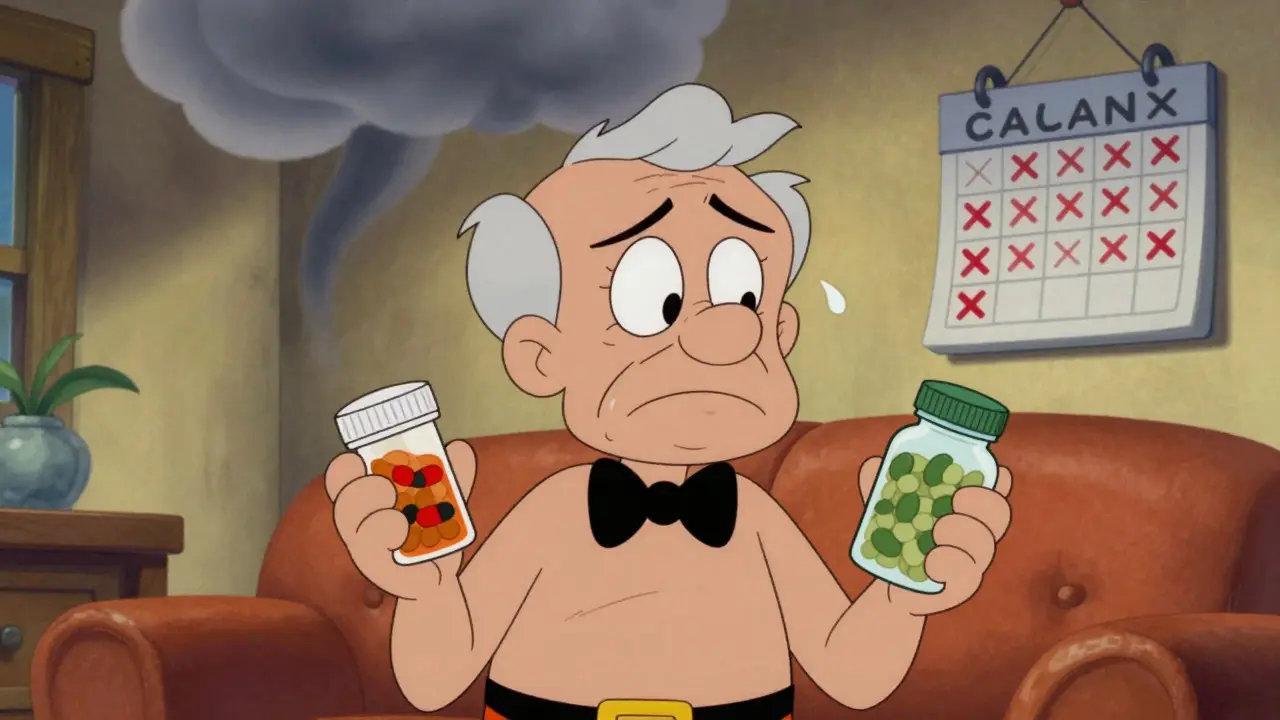
Imagine this: you are taking a blood thinner like warfarin because your doctor prescribed it to prevent clots. You also take ginkgo biloba daily because you read online it helps with memory. On its own, the herb seems harmless. Together, they can cause dangerous bleeding. This is not a rare edge case; it is a common scenario that lands thousands of people in emergency rooms every year.
Most patients do not realize that dietary supplements act like drugs in their bodies. They contain active ingredients that change how medications are absorbed, metabolized, or eliminated. The problem is that many healthcare providers only catch these conflicts if they have the right tools and ask the right questions. With over half of US adults using supplements alongside prescriptions, checking for interactions is no longer optional-it is a critical part of staying safe.
Why Standard Drug Checks Miss Supplements
You might think your pharmacy’s standard interaction checker covers everything. It usually does not. Most general drug-database systems focus heavily on pharmaceutical-to-pharmaceutical interactions. While tools like FDB's MedKnowledge is a widely used clinical database covering 18,000+ drugs and 2,400+ supplements are improving, they often lack the depth needed for herbal products and complex blends.
Consider the scale of the gap. According to data from the National Health and Nutrition Examination Survey (NHANES), 52% of US adults use dietary supplements. Among adults aged 57-85, nearly half use both prescription meds and supplements simultaneously. Yet, a study published in JAMA Internal Medicine found that supplement-drug interactions contribute to an estimated 23,000 emergency department visits annually. That number is likely higher today given the surge in new supplement formulations.
The core issue is specificity. General databases often list "St. John’s Wort" as a broad category. But supplements come in dozens of brands with varying concentrations, added fillers, and proprietary blends. If the database cannot map the specific product to its active chemical components, it cannot accurately predict the interaction severity. This is why specialized tools exist.
Choosing the Right Interaction Database
Not all databases are created equal when it comes to supplements. To check interactions effectively, you need a tool designed for pharmacokinetic and pharmacodynamic analysis of natural products. Here is how the top contenders compare:
| Database Name | Supplement Coverage | Key Strength | Best For |
|---|---|---|---|
| NatMed is formerly Natural Medicines, a leading evidence-based database for supplement interactions | 1,900+ supplements, 51,000+ product mappings | Ingredient-level mapping; 94.3% reliability among pharmacists | Clinicians needing high-accuracy, detailed mechanism explanations |
| DrugBank is a comprehensive bioinformatics and chemoinformatics resource containing detailed drug data | 14,300+ nutrient-drug pairs, 2,100+ herbal | Broadest drug coverage (13,000+ drugs); good for research | Researchers and academics looking for wide-ranging chemical data |
| FDB MedKnowledge | 2,400+ supplements | Seamless EHR integration; used by 92% of US hospitals | Hospital systems requiring automated alerts within electronic records |
| PHYDGI | Focuses on herbal entities | Quantified interaction strength metrics (0-10 scale) | Specialists focusing specifically on phytotherapy and herbs |
If you are a clinician or a highly informed patient, NatMed currently stands out as the gold standard for supplement-specific queries. Its ability to map commercial products to individual active ingredients means it catches interactions that broader tools miss. For example, it provides mechanisms of action for 98.7% of supplement-drug interactions, allowing you to understand *why* a conflict occurs rather than just seeing a warning label.
Step-by-Step: How to Check for Interactions
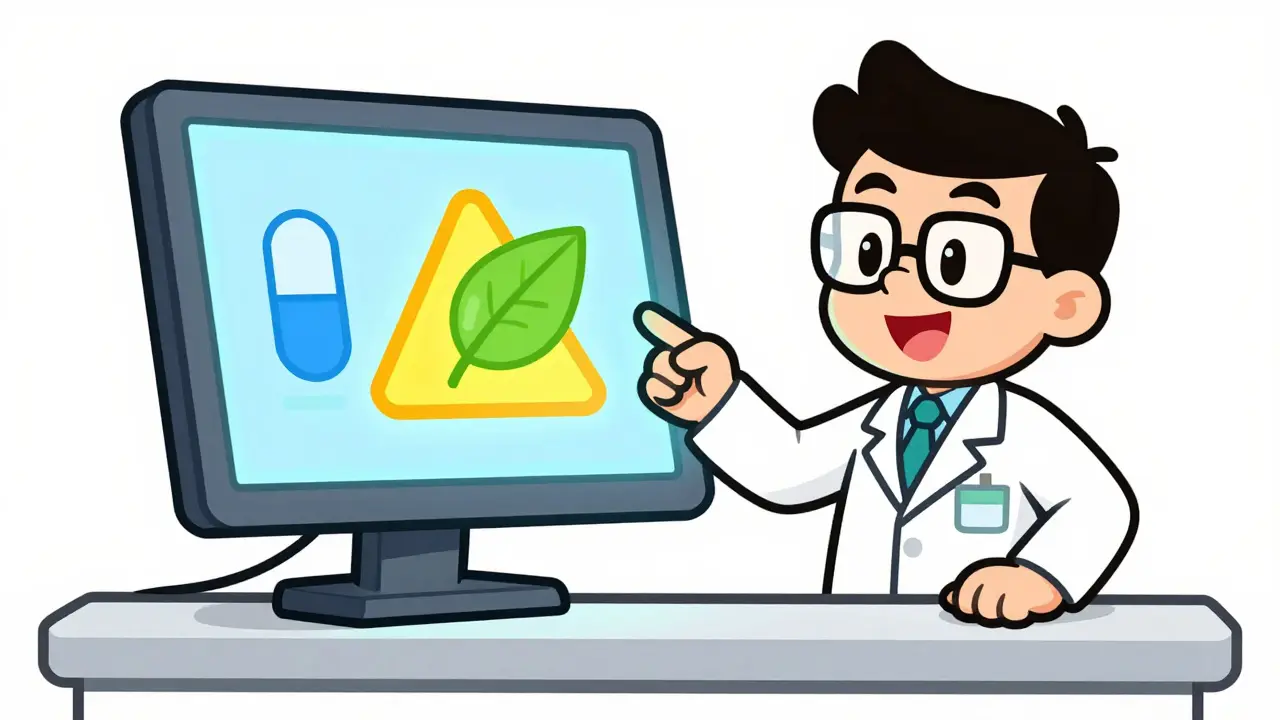
Having access to a database is only half the battle. Using it correctly requires a structured approach. Follow these steps to ensure you are not missing hidden risks.
- Gather Complete Supplement Information: Do not rely on memory. Patients often disclose supplement use to providers only 37% of the time, according to JAMA Network Open research. Ask for the actual bottles. Look for the "Supplement Facts" panel. Note the brand name, dosage form (capsule, liquid, powder), and exact milligram amounts per serving.
- Identify Active Ingredients: Many supplements contain proprietary blends. If the label lists "Herbal Complex A" without breaking down the grams of each herb, you cannot check it accurately. In these cases, contact the manufacturer or search for third-party testing reports (like USP or NSF certifications) to identify the true contents. Remember, FDA analysis shows 68% of supplement products may contain unlisted ingredients or contaminants, so verifying purity is part of safety.
- Enter Data into the Database: Use the search function to input the specific ingredient names, not just the brand. For instance, instead of searching "Brand X Memory Aid," search for "Ginkgo Biloba Extract" and "Huperzine A" if those are the key components. Cross-reference every single ingredient against your current medication list.
- Analyze Severity Ratings: Databases typically use a four-tier system: Contraindicated, Major, Moderate, and Minor.
- Contraindicated: Do not combine. Risk of severe harm or death.
- Major: Significant risk. Requires close monitoring or alternative therapy.
- Moderate: Possible interaction. Monitor for symptoms.
- Minor: Low risk. Usually manageable with simple timing adjustments.
- Understand the Mechanism: This is where expertise matters. Is the interaction pharmacokinetic (changing how the body processes the drug) or pharmacodynamic (changing what the drug does in the body)? For example, St. John’s Wort induces CYP450 enzymes, speeding up the metabolism of many drugs and reducing their effectiveness. Understanding this helps you decide whether to stop the supplement, adjust the drug dose, or simply space them apart by several hours.
Common Pitfalls and How to Avoid Them
Even with the best tools, errors happen. Here are the most frequent mistakes users make when checking interactions.
Relying on Brand Names Alone: As mentioned, databases work best with chemical or botanical names. If you search for a popular multivitamin brand, you might get zero results because the database indexes "Vitamin K" and "Calcium" separately. Always break down the formula.
Ignoring Over-the-Counter (OTC) Medications: People often forget that OTC drugs like ibuprofen, acetaminophen, or antacids count as medications. These can interact with supplements too. For example, taking iron supplements with calcium-rich antacids can block iron absorption entirely.
Assuming "Natural" Means Safe: This is the biggest misconception. Natural compounds are potent. Ginkgo biloba affects blood clotting. Garlic supplements can thin blood. Echinacea can alter liver enzyme activity. Treat every supplement with the same caution as a prescription pill.
Missing Emerging Supplements: New products launch daily. CBD, for instance, has seen massive growth, but as of Q2 2024, only 37% of CBD-related drug interactions were documented in commercial databases. If you are using newer trends like adaptogens or novel nootropics, assume there is limited data and proceed with extreme caution, consulting a pharmacist directly.
Who Should Be Checking?
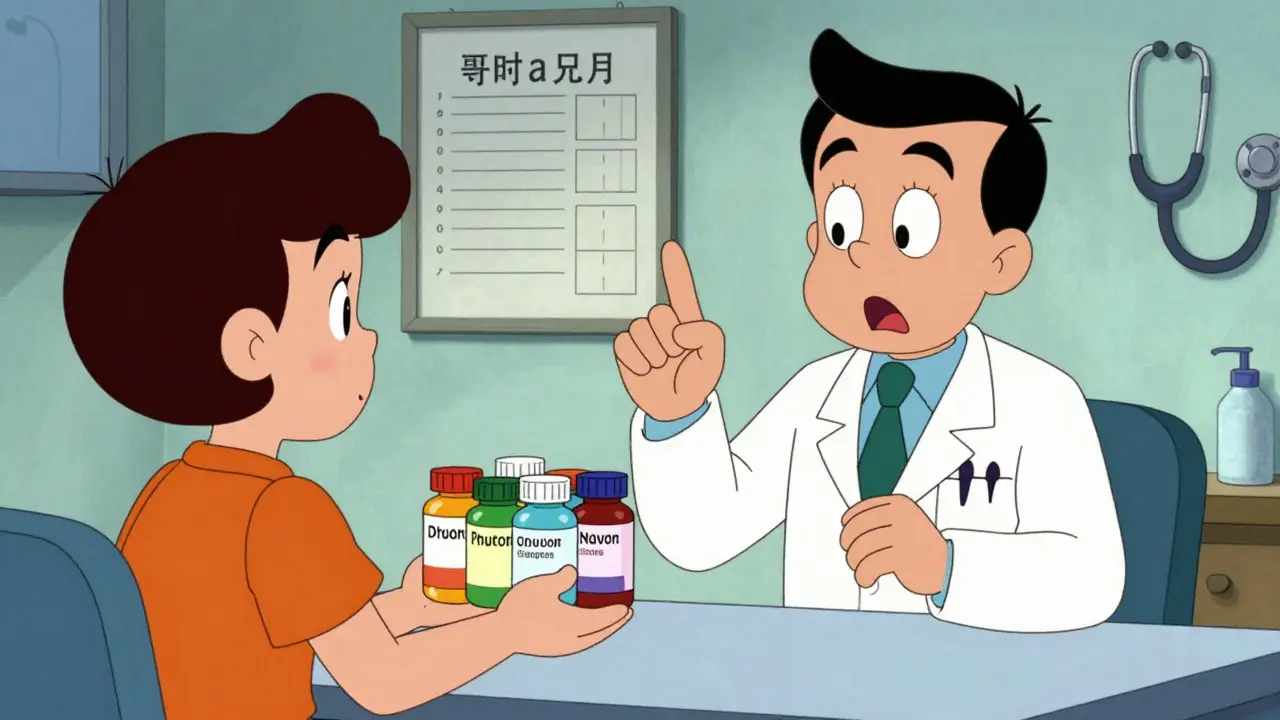
This process is primarily for healthcare professionals-pharmacists, physicians, and nurses-who have access to enterprise-grade tools like NatMed or integrated EHR systems. However, informed patients can play a role too. You can use free resources like the NIH Office of Dietary Supplements or WebMD’s interaction checker for basic screening. But remember, these free tools often lack the depth of paid clinical databases.
If you are managing chronic conditions, especially if you take anticoagulants (blood thinners), chemotherapy agents, or medications with narrow therapeutic indices (like lithium or digoxin), you must insist on a professional review. Dr. George Wang, Director of the FDA Center for Drug Evaluation and Research, noted that inadequate supplement interaction data contributes to 15-20% of preventable adverse drug events in elderly patients. That is a significant portion of hospitalizations that could be avoided with proper checking.
Future Trends in Interaction Safety
The landscape is evolving rapidly. By 2026, we are seeing AI-powered natural language processing in tools like NatMed version 12.3, which reduces false negatives by recognizing supplement names more accurately. There is also a push toward blockchain-based verification to ensure the supplements you buy match their labels, addressing the contamination issue.
Regulatory pressure is increasing too. The FDA has drafted guidance requiring supplement interaction data in new drug applications for high-risk medications. Hospitals are now being penalized by CMS for preventable adverse drug events, creating a financial incentive to screen every patient thoroughly. This shift means that in the near future, checking supplement interactions will become as routine as checking for allergies before prescribing any medication.
Can I check supplement interactions myself at home?
Yes, you can use free online tools like the NIH Office of Dietary Supplements or WebMD for basic checks. However, these tools may not cover proprietary blends or provide detailed management strategies. For accurate, clinically relevant advice, especially if you take multiple medications, consult a pharmacist who has access to professional databases like NatMed or FDB.
What is the most dangerous supplement interaction?
One of the most well-known and dangerous interactions is between St. John’s Wort and antidepressants (SSRIs/SNRIs), which can lead to serotonin syndrome, a potentially life-threatening condition. Another major risk is combining blood thinners like warfarin with supplements like ginkgo biloba, garlic, or vitamin E, which can increase bleeding risk significantly.
Why do some doctors ignore my supplements?
Time constraints and lack of training are common reasons. Many medical schools do not extensively cover herbal medicine or pharmacokinetics of natural products. Additionally, patients often fail to disclose supplement use due to fear of judgment or belief that "natural" means irrelevant. Always bring your supplement bottles to appointments to force a conversation.
How long should I wait between taking a drug and a supplement?
For minor absorption issues, spacing them 2-4 hours apart can help. For example, take calcium supplements at least 4 hours apart from thyroid medication or certain antibiotics. However, for metabolic interactions involving liver enzymes (CYP450), timing does not matter because the effect is systemic. In those cases, you must avoid the combination or adjust doses under medical supervision.
Are CBD and THC safe with prescription drugs?
CBD interacts with many drugs by inhibiting CYP450 enzymes, similar to grapefruit juice. This can raise levels of medications like blood thinners, seizure drugs, and some antidepressants in your bloodstream, leading to toxicity. Data on CBD interactions is still incomplete, with only about 37% documented in major databases as of mid-2024. Proceed with caution and monitor closely if combining.


Categories