
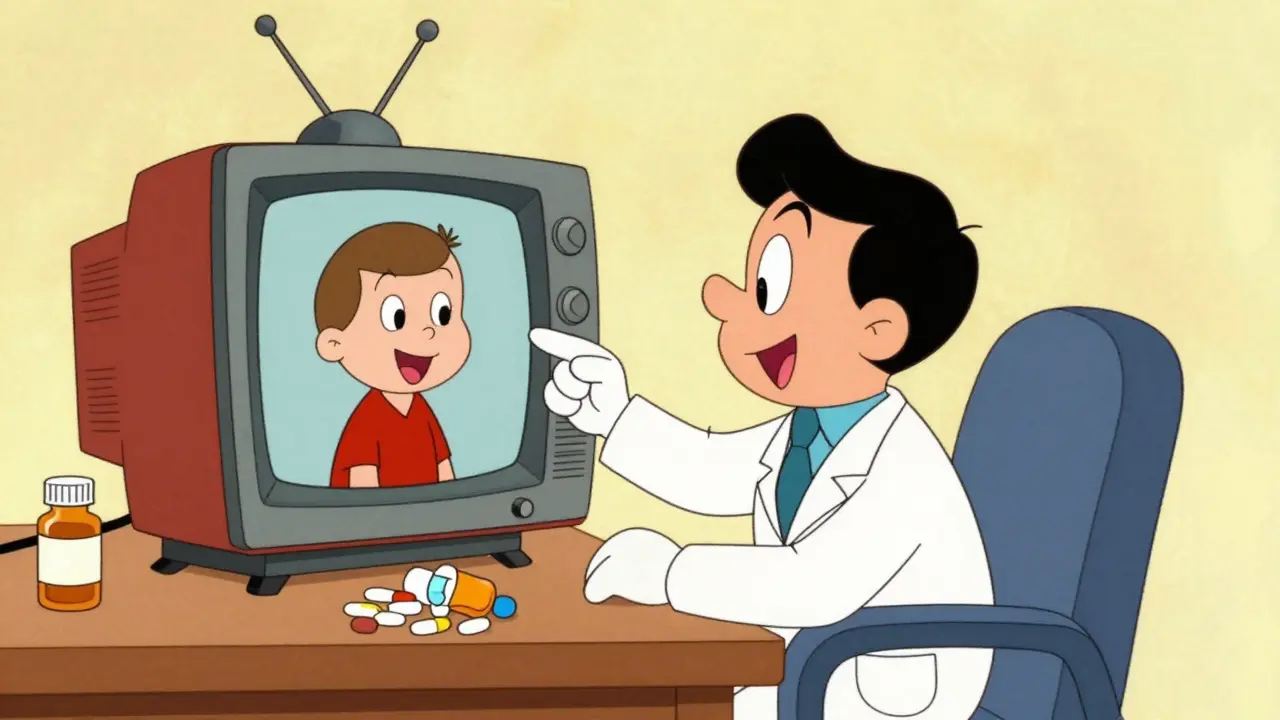
Getting a prescription through a screen used to feel like science fiction. Today, it’s Tuesday. But as we move into mid-2026, the rules of the road have changed dramatically. The pandemic-era free-for-all is over, replaced by a complex web of federal regulations that separate generic non-controlled meds from controlled substances in ways that matter for your wallet and your access to care.
If you rely on telemedicine for your medication needs, you need to know where the lines are drawn. Specifically, how do generic drugs fit into this new landscape? And what happens when you need a controlled substance like buprenorphine or Adderall? The short answer is that while generics are mostly easy to get via video call, controlled substances now require specific registrations, strict identity checks, and mandatory database reviews.
The Big Shift: From Emergency Rules to Permanent Structure
For years, doctors could prescribe almost anything via telehealth because of emergency waivers. That era ended with a hard stop on December 31, 2025. The Drug Enforcement Administration (DEA) didn’t just let the old rules expire; they built a new system. This isn’t about banning telemedicine-it’s about tightening it.
The core change revolves around the Ryan Haight Act, which originally required an in-person exam before prescribing controlled substances. While some flexibilities remain, the default is now stricter oversight. For patients, this means the convenience of clicking a button to get a refill is still there for many conditions, but gone for others without extra steps.
- Non-controlled generics: Largely unaffected. You can still get sertraline, metformin, or lisinopril prescribed after a standard video visit.
- Controlled substances (Schedule III-V): Now require specific provider registration and PDMP checks.
- Schedule II substances: Highly restricted, often requiring in-person visits or specialist involvement.
This distinction is crucial. If you’re managing high blood pressure with generic meds, your routine likely stays the same. If you’re treating opioid use disorder or ADHD, the process has become more bureaucratic.
How Generic Drugs Fit Into Telemedicine
When people talk about "generics" in telemedicine, they usually mean two things: cost savings and accessibility. Generic medications are bioequivalent to their brand-name counterparts but cost significantly less. In the context of digital health, generics are the backbone of most online pharmacy services.
Because most common chronic conditions-like hypertension, diabetes, and depression-are treated with non-controlled generics, telemedicine remains a powerhouse for these treatments. There are no federal restrictions stopping a doctor from prescribing generic metformin or generic fluoxetine via a secure video platform. This makes digital health clinics highly efficient for maintenance care.
| Drug Category | Examples | Telemedicine Status (2026) | Key Requirement |
|---|---|---|---|
| Non-Controlled Generics | Metformin, Lisinopril, Sertraline | Fully Allowed | Standard state licensing |
| Schedule III-V Controlled | Buprenorphine, Xanax | Limited Allowance | DEA Registration + PDMP Check |
| Schedule II Controlled | Adderall, Oxycodone | Highly Restricted | In-person eval or Specialist Reg. |
The real friction point arises when a generic drug is also a controlled substance. Generic buprenorphine, for instance, is a lifeline for addiction treatment, but it falls under Schedule III. This triggers the new regulatory hurdles, even though it’s a generic formulation.
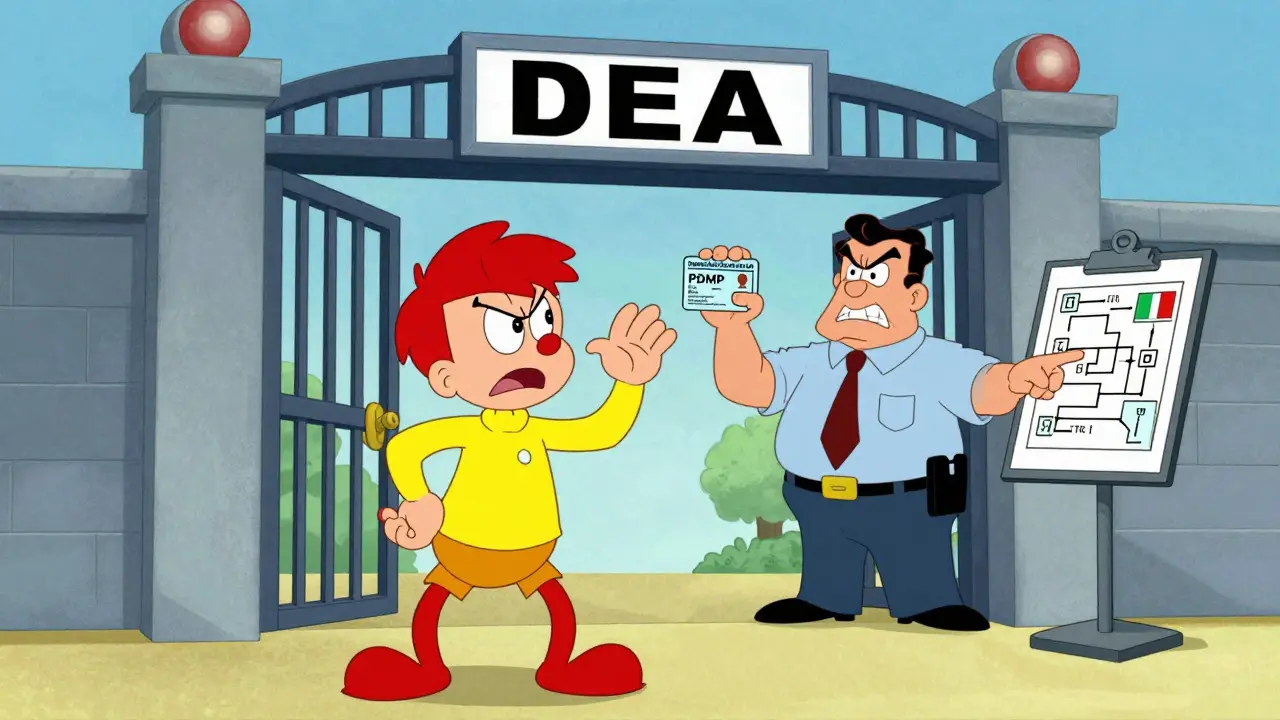
New Rules for Controlled Substances: What Providers Must Do
If you are a patient seeking a controlled substance via telehealth, you might notice your provider asking for more information than before. This isn’t them being difficult; it’s compliance. Under the new framework effective late 2025, providers must adhere to three main pillars:
- Identity Verification: You must show a government-issued photo ID during the virtual visit. Selfies won’t cut it if the platform requires biometric verification.
- PDMP Checks: Before prescribing, the doctor must check your Prescription Drug Monitoring Program history. They have to document the exact date and time of this check in your records.
- EPCS Compliance: Electronic Prescribing of Controlled Substances (EPCS) is mandatory. No handwritten scripts sent via email.
The PDMP requirement is the biggest operational change. Previously, doctors might have skipped checking state databases for routine refills. Now, it’s mandatory. For patients living near state borders, this can cause delays if the provider doesn’t have access to neighboring states’ databases. However, the DEA is working on a national system, though full functionality isn’t expected until late 2027.
For addiction treatment specifically, there’s a six-month rule. A provider can prescribe an initial six-month supply of buprenorphine via telemedicine. After that, you may need an in-person evaluation unless specific continuity-of-care conditions are met. This limitation frustrates many rural patients who travel long distances for care.
The Impact on Patients: Access vs. Safety
Regulations always involve trade-offs. The goal here is safety-preventing misuse and diversion-but the side effect is reduced access for some groups. Let’s look at who wins and who struggles under the new 2026 rules.
Winners: Patients with stable, non-controlled conditions benefit from continued ease of access. If you’ve been taking generic statins or antidepressants for years, your telehealth experience remains seamless. Additionally, patients with opioid use disorder in areas with robust telehealth infrastructure still gain significant access compared to pre-2020 levels, despite the new hurdles.
Strugglers: Rural patients face the brunt of the six-month limitation for OUD treatment. If you live 100 miles from a clinic, driving every six months is a barrier. Also, patients needing Schedule II drugs (like stimulants for ADHD) find telemedicine options shrinking. Many primary care doctors are stepping back from prescribing these via video due to the liability and administrative burden.
Data from 2025 shows that 68% of psychiatrists reported increased administrative work. That means longer wait times for appointments and potentially higher costs passed down to consumers. Platforms are spending 18-25% of their operational budget on compliance alone.

Navigating State Variations
Federal law sets the floor, but states set the ceiling. This creates a patchwork quilt of rules that can be confusing. Just because the DEA allows it doesn’t mean your state does.
- California: Permissive. Allows telemedicine prescribing of non-controlled generics with minimal restriction.
- Arkansas: Restrictive. Prohibits telemedicine prescriptions for any controlled substances without a prior in-person exam.
- Texas: Mixed. Requires specific consent forms for telehealth and strict adherence to PDMP checks.
If you move frequently or travel often, keep your provider informed. A prescription valid in Nevada might be rejected by a pharmacy in California if the prescriber isn’t licensed in both states or if the platform lacks cross-state PDMP integration. Always ask your provider: “Are you licensed to treat me in my current location?”
What to Expect in Late 2026 and Beyond
The dust hasn’t fully settled. The DEA’s final rules are still being refined based on public comments. Here is what is on the horizon:
National PDMP Integration: The $127 million investment in a unified database will eventually simplify life for doctors. Instead of logging into five different state systems, they’ll query one. Until then, expect occasional delays.
Medicare Changes: Starting October 2025, Medicare requires an in-person mental health service before continuing telehealth care. This could reduce reimbursement for telemedicine prescriptions by nearly half for seniors, pushing more elderly patients toward hybrid models (initial visit in person, follow-ups remote).
Platform Consolidation: Smaller telehealth startups may struggle with the 35% increase in compliance costs. Expect larger players to dominate the market, offering more standardized experiences but less personalized care.
For now, the best strategy is transparency. Work with providers who are proactive about compliance. Keep your ID handy for video calls. And don’t hesitate to ask why a certain step is required-it’s your right to understand the process.
Can I get generic Adderall prescribed via telemedicine?
It is difficult. Adderall is a Schedule II controlled substance. Under the new 2026 rules, telemedicine prescribing for Schedule II drugs is severely restricted. Most primary care providers cannot prescribe them via telehealth without an in-person evaluation. Only specific specialists with Advanced Telemedicine Prescribing Registration may do so, and even then, strict criteria apply. You should expect to need at least one in-person visit to establish care.
Do I need to show my ID for a generic antibiotic prescription?
Generally, no. Antibiotics like amoxicillin are not controlled substances. Therefore, the strict DEA identity verification protocols for controlled substances do not apply. However, reputable telehealth platforms may still ask for basic demographic confirmation to ensure medical accuracy, but you won't need to undergo the rigorous government-ID scan required for Schedule III-V drugs.
What is the PDMP check, and why does it take time?
The Prescription Drug Monitoring Program (PDMP) is a state-run database that tracks controlled substance prescriptions. Doctors must check this before prescribing controlled meds to prevent dangerous interactions or misuse. It takes time because many states do not yet share data seamlessly. Your provider may need to log into multiple state systems manually, adding 15-20 minutes to your appointment.
Will telemedicine prescriptions become cheaper?
Not necessarily. Compliance costs have risen by 35% for platforms dealing with controlled substances. These costs may be passed to consumers. However, generic drugs themselves remain affordable. The price of the consultation might stay flat or rise slightly, but the medication cost depends on your insurance and pharmacy discount programs, not the prescribing method.
Is telemedicine safe for getting controlled substances?
Yes, when done correctly. The new regulations enhance safety by ensuring identity verification and monitoring prescription history. Studies show that telemedicine access to buprenorphine saves lives by removing geographic barriers. The key is using legitimate, registered platforms that comply with DEA EPCS and PDMP requirements.


Categories