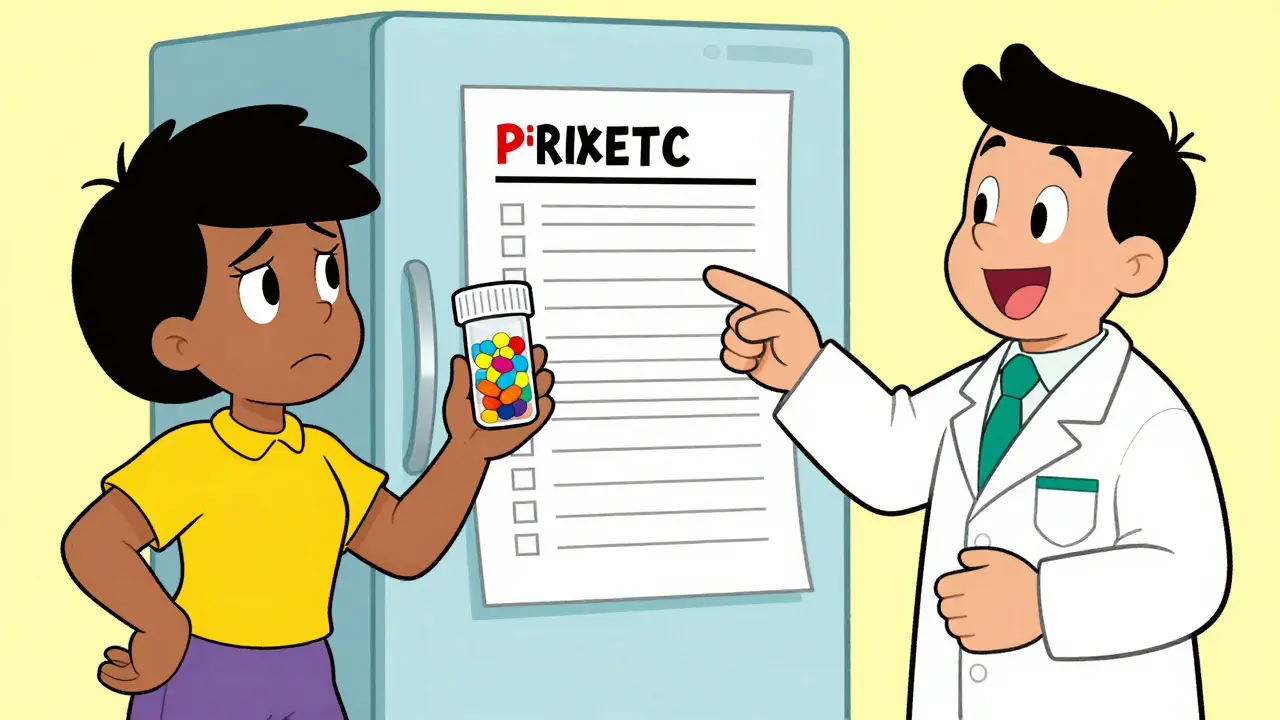
Every year, millions of people around the world take the right medicine at the right time - and still end up hurt. Not because the drug is dangerous, but because something went wrong in the process. A pill looks different than last time. A dose changes without explanation. A new prescription clashes with an old supplement. These aren’t rare mistakes. They’re common, preventable, and often caught by the one person who knows your body better than anyone: you.
Why Your Role Matters More Than You Think
For decades, medicine focused on fixing errors at the hospital or pharmacy level. But studies show that healthcare providers only spend a fraction of the day with you. You’re the one who takes the pills every morning. You’re the one who notices when your skin turns red or your stomach starts churning. You’re the one who sees the label, opens the bottle, and swallows the tablet. That means you’re the final safety check - and the most important one. In 2017, the World Health Organization launched a global campaign called Medication Without Harm. Their goal? Cut severe, avoidable medication errors by 50% in five years. And at the heart of that plan? Empowering patients. Not as passive receivers of care, but as active partners in safety. Research confirms this works. A 2022 study by the Agency for Healthcare Research and Quality found that patients who kept a personal medication list had 42% fewer errors when moving between hospitals, clinics, or pharmacies. That’s not luck. That’s action.Seven Things You Can Do Right Now
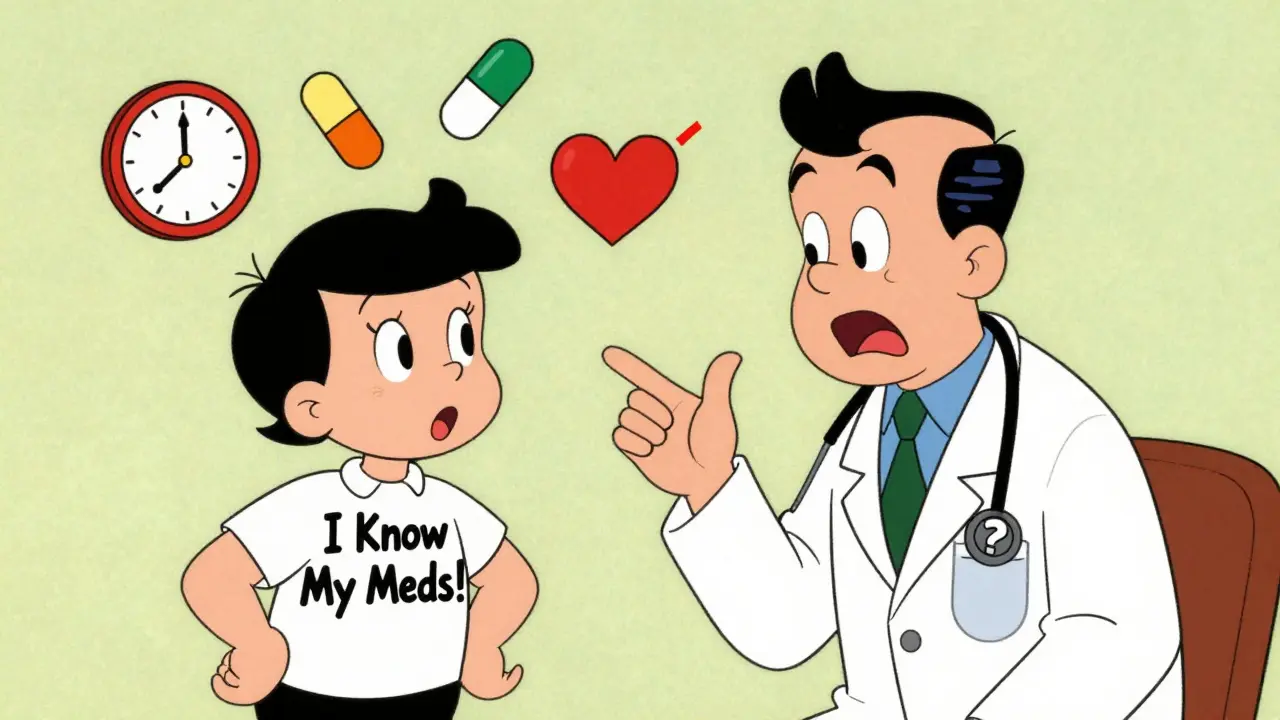
You don’t need a medical degree to help prevent a medication error. You just need to know what to look for. Here are seven simple, proven steps you can start today:- Know your meds by name and why you’re taking them. If your doctor says, “Take this for your blood pressure,” ask: What’s the name? Many patients don’t know the difference between lisinopril and losartan - and that’s how mix-ups happen. Knowing the name helps you spot a wrong pill.
- Understand your dosing schedule. “Take once daily” doesn’t mean “whenever I remember.” Ask: Is it morning or night? With food or on an empty stomach? A 2020 study showed that patients who understood their schedule were 28% less likely to miss doses or double up.
- Learn the side effects. Not every weird feeling is serious - but some are. If your new medication says “dizziness” is a possible side effect, and you feel like you’re about to fall over, don’t ignore it. You’re the first to notice. Catching a reaction early can stop a hospital visit.
- Check what the pill looks like. Pills change color, shape, or size all the time - especially when pharmacies switch suppliers. If your blue oval pill suddenly looks like a white circle, ask: Is this the same medicine? This simple check stops 19% of dispensing errors.
- Question unexpected changes. If your doctor suddenly adds a new drug or changes your dose without explaining why, speak up. One 2021 study found that patients who asked about changes caught 15% of prescription errors that no one else noticed.
- Tell your provider about everything. That herbal tea? That fish oil? That painkiller you take for your knee? They all interact. Patients who shared all their supplements reduced dangerous drug interactions by 22%.
- Join medication reconciliation. When you’re admitted to the hospital or discharged, ask: Can we go over every pill I’m on? This process - where your whole list is checked and cleared - cuts medication discrepancies by 50%.
Tools That Help - and Those That Don’t
Technology can be a lifesaver - if it’s designed for real people. Many clinics now offer patient portals where you can view your meds, refill prescriptions, and get alerts. But here’s the catch: portals with just static lists? They barely help. A 2023 study found that when portals added interactive features - like a checkbox to confirm you took your pill or a button to flag a concern - safety outcomes jumped 24.5%. Apps like MyMedSchedule get 4.2-star ratings for good reason. They help you set alarms, track refills, and log side effects. But for older adults? 37% of negative reviews say the same thing: “Too many steps.” If you’re not tech-savvy, a paper list taped to your fridge works just as well. The real winner? The teach-back method. It’s simple: your provider explains your meds. Then they ask you: “Can you tell me how you’ll take this?” If you can repeat it back correctly, you’re far more likely to get it right. Studies show this boosts safety behavior from 31% to 67% - no app needed.Barriers You Might Face - And How to Overcome Them
Not everyone can easily understand medical terms. In the U.S. alone, 88 million adults have trouble reading health materials. That’s not their fault. It’s a system failure. The solution? Simplification. The Institute for Safe Medication Practices created the Universal Medication Schedule. Instead of “take three times daily,” it uses four clear time slots: morning, noon, evening, bedtime. Pilot programs cut confusion by 44%. Math is another hurdle. A 2023 Johns Hopkins study found 22% of adults struggle with basic medication math - like splitting a 10mg pill in half. If you’re unsure, ask for a measuring cup or a pill splitter. Pharmacists are trained to help. Digital access is uneven. Only 44% of people over 65 regularly use online tools. That’s why paper lists, printed instructions, and family members helping with appointments still matter. Don’t let tech leave you behind.
What to Do When You’re Dismissed
You ask about a side effect. You question a new pill. You say, “This doesn’t feel right.” And the response? “You’re overthinking it.” “We’ve seen this before.” “Don’t worry.” That’s not rare. A University of California study found 62% of patients who caught an error were told they were “difficult” or “anxious.” But here’s the truth: you’re not wrong. Dr. Tejal Gandhi of the Institute for Healthcare Improvement says patients are the final safety checkpoint in 83% of near-miss events. Dr. Donald Berwick, former head of CMS, calls patients the “reality check” for every system. If you’re ignored, try this: write it down. Say: “I’m concerned this might be wrong. Can we document this in my chart?” Or ask to speak with a pharmacist. Most hospitals have one on staff. You have the right to be heard. And you’re not alone. On Reddit’s r/HealthIT, one user saved her child from a 10-fold overdose by checking the dose. Another, u/NurseJenNY, says 70% of her near-misses were caught because a patient asked, “That doesn’t look right.”Why This Isn’t Just Helpful - It’s Essential
Medication errors aren’t just accidents. They’re preventable. And the biggest gap in safety? Not technology. Not policy. It’s the assumption that patients are passive. Dr. Lucian Leape of Harvard put it bluntly: “Patient engagement isn’t just helpful - it’s ethically mandatory.” You spend 100% of your time with your own meds. Providers spend minutes. Who’s better positioned to spot a problem? The data doesn’t lie. Engaged patients with diabetes have 39% fewer dangerous low-blood-sugar events. Those who use medication lists have far fewer hospital readmissions. Those who ask questions catch errors no one else sees. By 2026, 90% of U.S. hospitals will be required to give every patient standardized safety education. That’s progress. But you don’t have to wait. Start today. Write down your meds. Ask one question at your next appointment. Trust your gut. Because when it comes to your health, no system is foolproof. But you? You’re the most reliable safety net there is.What’s the most important thing I can do to prevent a medication error?
Keep a written list of every medication you take - including pills, patches, vitamins, and supplements. Update it every time your doctor changes something. Bring it to every appointment. This single habit cuts medication discrepancies by more than 40%.
Can I trust my pharmacist to catch mistakes?
Pharmacists are trained to spot errors, but they’re not mind readers. They see your prescription, not your full history. If you don’t tell them about your other meds or supplements, they can’t check for interactions. Always share everything - even the herbal teas or over-the-counter painkillers.
What if I don’t understand my doctor’s instructions?
Say so. Ask them to explain it again. Request written instructions. Use the teach-back method: repeat back what you heard in your own words. If they get frustrated, ask to speak with a pharmacist or nurse. No one should make you feel silly for asking questions about your health.
Are medication apps worth using?
Yes - if they’re simple. Look for apps that let you add pills with photos, set alarms, and flag side effects. Avoid apps with too many menus or that require logging in every time. For older adults or those with low tech skills, a printed list and a phone alarm work just as well.
What should I do if I think I was given the wrong medicine?
Don’t take it. Call your pharmacy or doctor immediately. Ask: “Can you confirm the name, dose, and why I’m taking this?” Take a photo of the pill and the label. If you’re in a hospital, ask for the charge nurse. Your suspicion is valid - and it could save your life.
Do I need to tell my doctor about vitamins and supplements?
Yes. Supplements aren’t harmless. Garlic pills can thin your blood. St. John’s Wort can cancel out antidepressants. Even common ones like calcium or vitamin D can interfere with other drugs. Always list them - just like your prescription pills.
How do I know if I’m at higher risk for medication errors?
You’re at higher risk if you take five or more medications, have trouble reading or understanding instructions, are over 65, have memory issues, or use multiple pharmacies. If any of these apply to you, ask for extra support - a pharmacist visit, a family member to help, or a printed schedule.