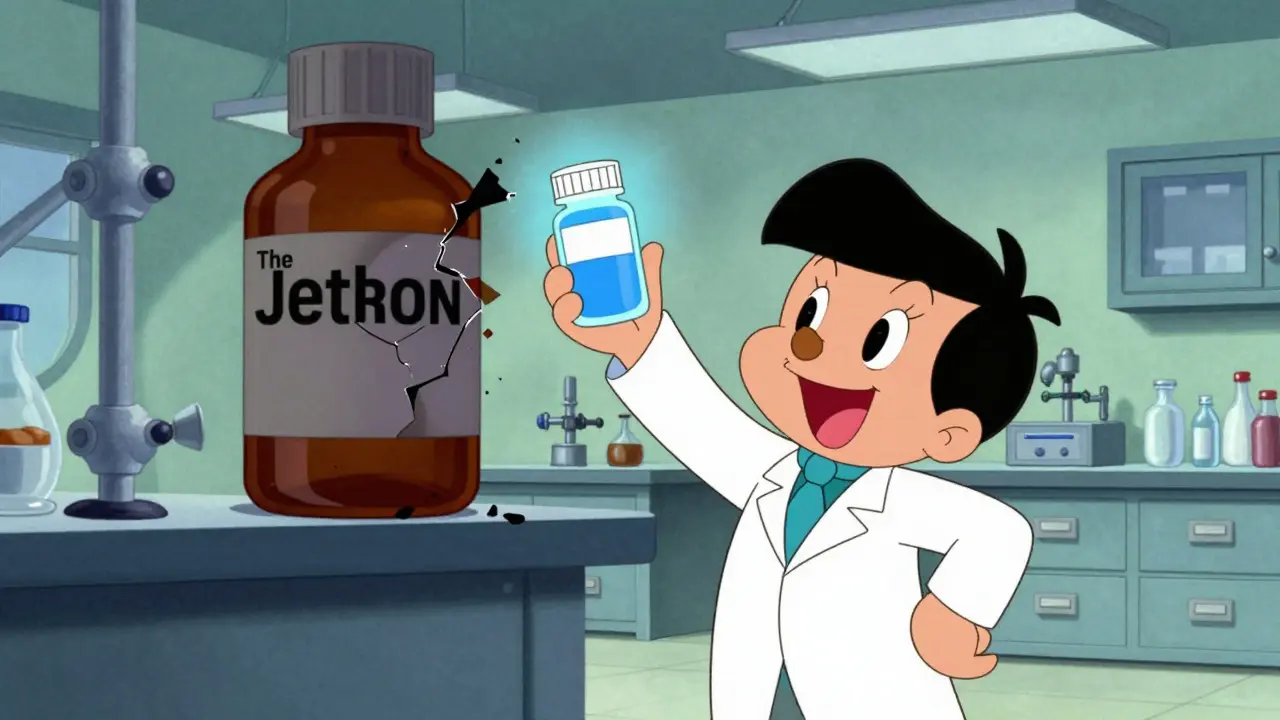
When a blockbuster medication loses its patent protection, the pharmaceutical world holds its breath. The moment the FDA grants the first generic approval to a new manufacturer, prices often plummet by up to 90%. This isn't just a regulatory formality; it is a pivotal economic event that reshapes the healthcare landscape. For patients, it means affordable access to life-saving treatments. For manufacturers, it represents a high-stakes race for market dominance.
But what exactly makes the "first" generic so special? Why does being the first to file an application matter more than being the second or third? The answer lies in a unique legal perk called 180-day marketing exclusivity, a provision designed to reward companies that take on the risk of challenging brand-name patents. Understanding this process reveals how the U.S. balances innovation incentives with the public’s need for affordable medicine.
The Origin Story: How Hatch-Waxman Changed Everything
To understand why first generic approvals are so powerful, you have to look back to 1984. Before that year, the system was broken. Brand-name drugmakers enjoyed long periods of monopoly without pressure to lower prices, while generic companies faced impossible hurdles. They had to submit full New Drug Applications (NDAs), repeating costly clinical trials just to prove a drug was safe-trials that had already been done by the original maker.
The Drug Price Competition and Patent Term Restoration Act of 1984, commonly known as the Hatch-Waxman Act, fixed this imbalance. Championed by Senator Orrin Hatch and Representative Henry Waxman, the law created a streamlined pathway for generics. It allowed generic manufacturers to submit an Abbreviated New Drug Application (ANDA) instead of a full NDA. They didn’t need to repeat clinical trials; they just had to prove their version was bioequivalent to the brand-name drug.
The impact was staggering. In 1984, generic drugs accounted for only 19% of prescriptions filled in the United States. By 2023, that figure skyrocketed to more than 90%. According to FDA estimates, this shift has generated approximately $1.7 trillion in healthcare savings since the Act's implementation. The first generic approval is the engine that drives this competition.
What Is First Generic Approval?
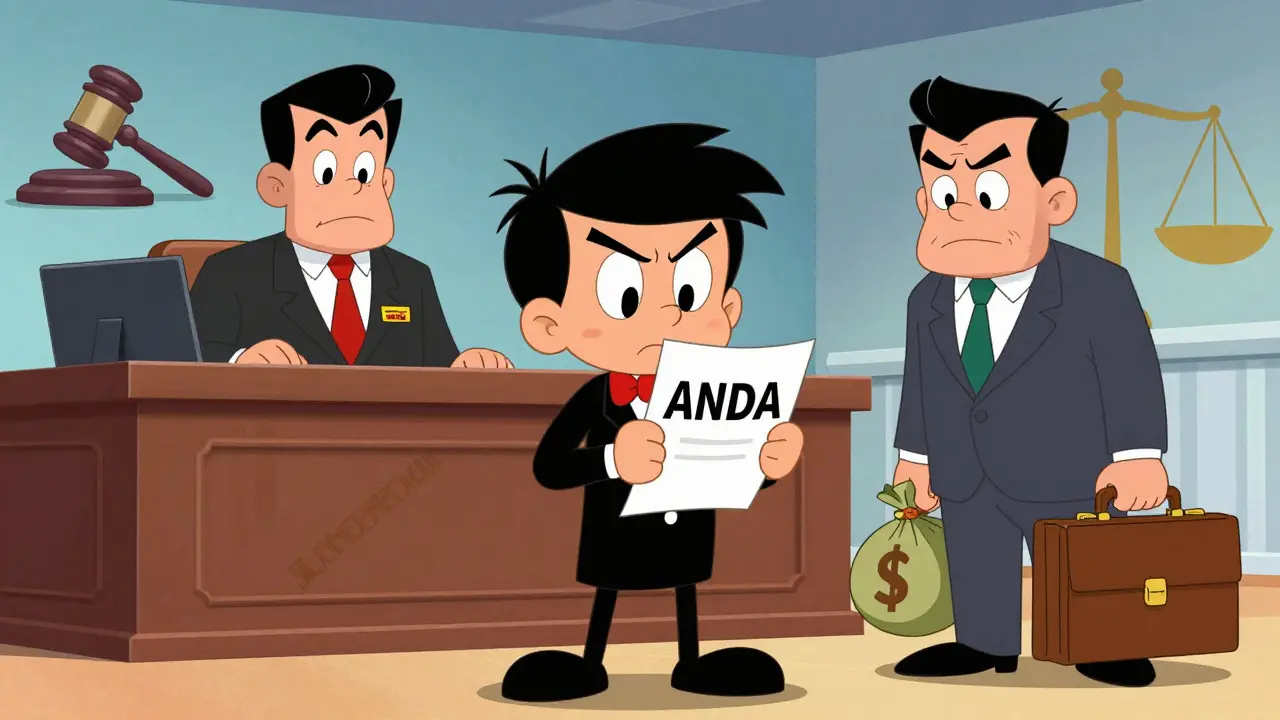
A first generic approval is not just about speed; it is about legal strategy. The FDA defines a first generic applicant as the first company to submit a substantially complete ANDA that challenges the validity of the brand-name drug’s patents. This challenge is made through a Paragraph IV certification.
Here is how it works:
- The Challenge: The generic manufacturer asserts that the brand-name drug’s patents are invalid, unenforceable, or will not be infringed by the generic product.
- The Clock Starts: Once the FDA receives this submission, the brand-name manufacturer has 45 days to sue for patent infringement.
- The Stay: If a lawsuit is filed, FDA approval is automatically stayed for 30 months while litigation proceeds. This is known as the "30-month stay."
- The Reward: If the generic company wins the lawsuit or if the patent expires, the FDA approves the drug. The first filer gets 180 days of exclusive marketing rights.
This 180-day window is crucial. During this time, no other generic competitors can enter the market. The first generic becomes the sole alternative to the brand-name drug, allowing it to capture significant market share before the floodgates open for other manufacturers.
The High Stakes of Exclusivity
Why do pharmaceutical companies fight so hard to be the first filer? The financial rewards are immense. Industry analyses show that the first generic entrant typically captures 70-80% of the generic market during its exclusivity period. For a blockbuster drug with annual sales exceeding $1 billion, this can translate to additional profits of $100 million to $500 million.
During these 180 days, the first generic usually prices its product 15-20% below the brand-name drug. While this seems like a small discount, it is enough to attract price-sensitive insurers and patients, yet high enough to generate massive revenue due to the lack of competition. After the exclusivity period ends, other generic manufacturers enter the market, driving prices down further-often by another 30-40%.
| Scenario | Price Reduction | Market Share Capture | Timeframe |
|---|---|---|---|
| First Generic Entry | 70-90% | 70-80% of generic market | First 180 days |
| Multiple Generics Enter | Additional 30-40% | Diluted among competitors | After 180 days |
| Brand Name Only | N/A | ~100% | Patent protected period |
Risks and Challenges for First Filers
Being first is lucrative, but it is also risky. The path to approval is fraught with legal and regulatory hurdles. One major risk is the cost of litigation. Challenging a patent through a Paragraph IV certification triggers expensive lawsuits. Average legal expenses range from $5 million to $15 million per case. Companies often partner with specialized law firms, where hourly rates can exceed $1,000.
Another risk is forfeiture. The 180-day exclusivity clock can be lost if the first filer fails to market the product within 75 days of FDA approval. Additionally, if multiple companies file simultaneously, the FDA may grant exclusivity to all of them, diluting the benefit. Between 2001 and 2022, approximately 10.6% of first generics involved multiple first filers.
Brand-name manufacturers also fight back. Tactics include creating "patent thickets"-filing numerous secondary patents to complicate challenges-and offering "pay-for-delay" settlements to generic companies to keep them out of the market. Dr. Aaron Kesselheim of Harvard Medical School noted that such tactics delayed generic entry for 42% of first generics between 2010 and 2020.
Impact on Patients and Healthcare Providers
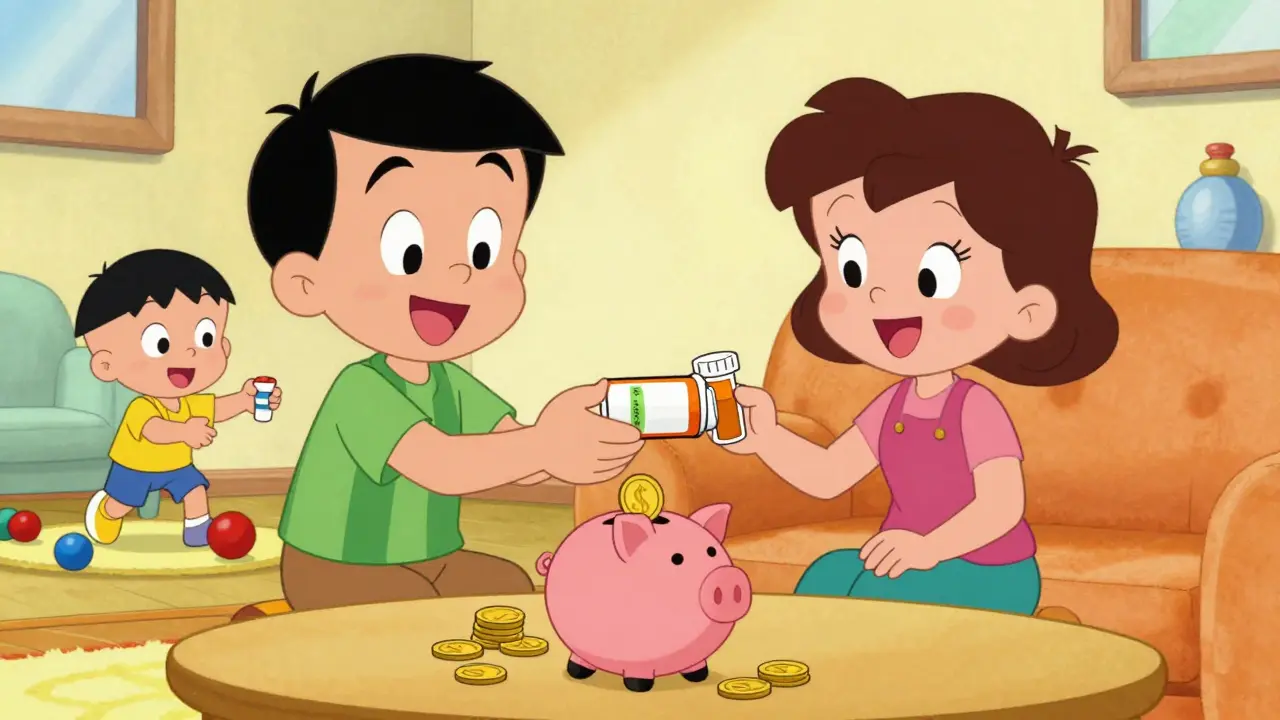
For patients, the arrival of a first generic is often a relief. A 2024 survey of 1,200 pharmacists found that 87% reported improved patient access to medications after first generic approvals. Medication adherence increased for 73% of patients who switched from brand-name to first generics, largely due to lower copays.
Patient reviews support this trend. On Drugs.com, first generics receive an average rating of 4.2 out of 5.0, comparable to the 4.3/5.0 average for brand-name drugs. Common praise includes "identical effectiveness at half the price" and "no difference in side effects." The FDA requires rigorous bioequivalence testing, ensuring that the generic delivers the same amount of active ingredient into the bloodstream as the brand-name drug. Studies show the average difference in absorption is just 3.5%, which is similar to the variation between two batches of the same brand-name drug.
However, transitions aren't always smooth. Supply chain disruptions can occur during the launch phase. For example, when the first generic version of Eliquis launched, manufacturing delays extended the exclusivity period temporarily, causing short-term price spikes. Pharmacists report that complex dosage forms, like inhalers or injectables, are more prone to these issues.
The Future of First Generic Approvals
The landscape is evolving. The FDA has introduced new pathways for complex generics, such as inhalers and topical creams, which were previously difficult to copy. In 2023, 17 complex generics received first approval, up from 9 in 2022. The 2022 CREATES Act also addresses brand-name tactics that delay generic testing, aiming to accelerate competition.
Looking ahead, industry analysts project an 8.3% annual increase in first generic approvals through 2028, driven by the expiration of patents on $156 billion worth of branded drugs. However, challenges remain. The rise of "authorized generics"-brand-name drugs sold without branding by the original manufacturer-has eroded the first generic's market share in some cases. These authorized generics entered the market during 38% of first generic exclusivity periods between 2015 and 2022.
Despite these hurdles, the first generic approval remains a cornerstone of the U.S. drug pricing model. It incentivizes competition, reduces costs, and ensures that patients have access to affordable, high-quality medications. As Commissioner Robert Califf stated in 2024, accelerating first generic competition remains the most effective tool for reducing prescription drug costs.
What is the difference between a standard generic and a first generic?
The key difference is timing and exclusivity. A first generic is the first company to successfully challenge a brand-name drug's patent via a Paragraph IV certification. This grants them 180 days of marketing exclusivity, meaning they are the only generic competitor during that period. Standard generics enter the market after this exclusivity period ends or if they do not challenge patents, facing immediate competition from other generic manufacturers.
Are first generics as safe and effective as brand-name drugs?
Yes. The FDA requires all generic drugs, including first generics, to meet strict bioequivalence standards. This means they must deliver the same amount of active ingredient into the bloodstream in the same amount of time as the brand-name drug. Clinical studies show minimal differences in absorption, making them therapeutically equivalent.
How long does the 180-day exclusivity period last?
The 180-day exclusivity period begins either when the first generic product is first marketed or when a court rules in favor of the generic manufacturer in patent litigation, whichever occurs first. The clock can be forfeited if the manufacturer fails to market the drug within 75 days of FDA approval.
What happens if multiple companies file for first generic status?
If multiple companies submit substantially complete ANDAs with Paragraph IV certifications on the same day, the FDA may grant 180-day exclusivity to all of them. This is known as a "multiple first-applicant" scenario. In this case, the exclusivity benefit is shared, potentially reducing the market share each company can capture compared to being the sole first filer.
Why do brand-name manufacturers try to delay generic entry?
Brand-name manufacturers delay generic entry to maintain higher prices and protect profit margins. When a first generic enters the market, prices drop significantly, often by 70-90%. By using tactics like patent thickets or pay-for-delay settlements, brand companies can extend their monopoly period, maximizing revenue before competition arrives.
Categories