

Medical Device Recall & Safety Checker
This tool helps you understand the severity of a potential recall and ensures you have taken all necessary steps to protect your health after receiving an implant.
1. Check Recall Severity
Select the recall class mentioned in your notification or news report to see what it means for you.
2. Patient Safety Checklist
Check off these actions to ensure you are protected. Progress is saved locally in this session.
You just had surgery. Maybe it was a hip replacement, a pacemaker, or even a simple knee scope. You’re healing, feeling better, and trying to get back to life. But there’s a small piece of paper in your discharge packet-an implant card-that you probably shoved into a drawer and forgot about. That little card is actually your lifeline if things go wrong.
Medical device recalls happen more often than you’d think. In 2023 alone, the FDA reported over 6,700 medical device recalls. Most aren’t catastrophic, but some are. The difference between getting early warning about a faulty valve versus finding out after your heart starts acting up? Often, it comes down to whether you knew your lot number.
Why Lot Numbers Matter More Than You Think
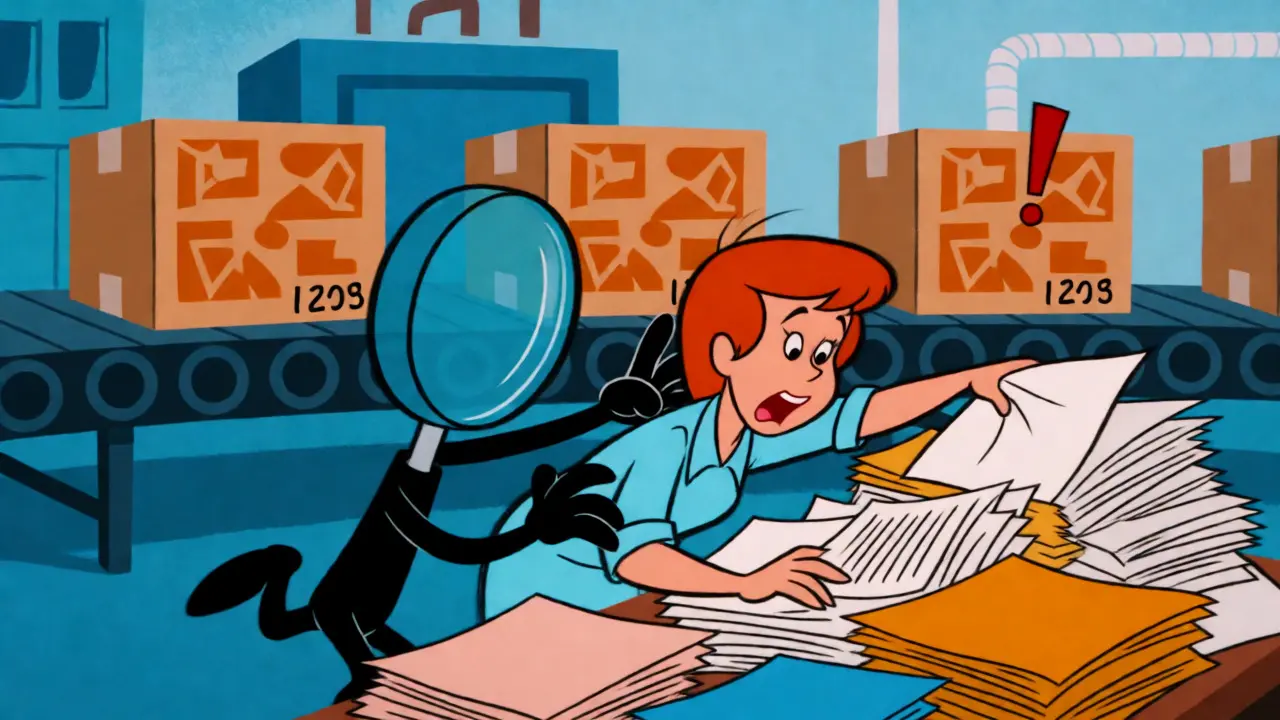
A lot number isn’t just random code stamped on packaging. It’s a unique identifier for a specific batch of products manufactured together. Think of it like a VIN for your car, but for the metal, plastic, or drug inside your body. If one unit in a batch has a defect-say, a microscopic crack in a titanium screw-the entire lot might be compromised.
The U.S. Food and Drug Administration (FDA) requires manufacturers to track these numbers for high-risk devices. This system exists so that when a problem pops up, companies can pinpoint exactly which patients got the bad batch instead of recalling every single device sold since 2015. For example, during a recent recall of Edwards Lifesciences TAVR valves, lot-specific tracking helped identify just 2,807 affected patients out of hundreds of thousands who received similar implants. Without lot numbers, that would have been a chaotic, expensive panic.
In the UK, we follow similar rules under the Medicines and Healthcare products Regulatory Agency (MHRA), and across Europe, the Medical Device Regulation (MDR) tightened these requirements significantly in 2021. So whether you’re in Edinburgh or New York, the principle is the same: know your batch, stay safe.
Finding Your Lot Number: Where to Look
So, where do you find this elusive number? If you still have your paperwork, check these places first:
- The Implant Card: This is the gold standard. It usually lists the device name, model, serial number, and lot number.
- Surgical Reports: Your surgeon’s operative report almost always includes the lot number of the hardware used. Ask their office for a copy if you don’t have one.
- Packaging Stickers: Sometimes, a sticker from the sterile packaging ends up in your hospital file or attached to your discharge papers.
If you’ve lost everything, don’t panic. Call your surgeon’s office. They keep records for years. A quick phone call asking for your "device lot number" can save you hours of searching online later. One study found that patients who proactively tracked their device info were 3.2 times more likely to get timely recall notifications. Don’t be the person waiting for a letter that never arrives.
Understanding Recall Classes: How Serious Is It?
Not all recalls are created equal. The FDA categorizes them into three classes based on risk. Knowing the class helps you gauge how urgent the situation is.
| Class | Risk Level | What It Means for You |
|---|---|---|
| Class I | Highest Risk | Reasonable probability of serious injury or death. Act fast. |
| Class II | Moderate Risk | Temporary or medically reversible health consequences. Monitor closely. |
| Class III | Low Risk | Unlikely to cause adverse health effects. Usually a labeling or minor defect issue. |
Class I recalls are rare but critical. If your device falls into this category, contact your doctor immediately. Class III recalls are common and often involve minor issues like incorrect labeling. You probably won’t need surgery again, but you should still document it.
Your Action Plan: What to Do Now
Here’s a simple checklist to put on your fridge door or save in your phone notes. Doing these five things takes less than twenty minutes but could save you weeks of stress.
- Photograph Everything: Take clear photos of your implant card, surgical reports, and any device stickers. Store them in a dedicated folder in your cloud storage or email them to yourself.
- Register Your Device: Many manufacturers offer online registration. Enter your lot number and contact details. This puts you directly on their notification list.
- Sign Up for FDA Alerts: Go to the FDA website and subscribe to email updates for medical devices. It’s free and catches recalls you might miss otherwise.
- Check Quarterly: Set a calendar reminder every three months to search the FDA’s Medical Device Recalls database using your device name. It takes two minutes.
- Talk to Your Doctor: At your next check-up, mention your device model and ask if they’ve heard of any recent issues. They might see patterns before the public notices.
One Reddit user shared how he spent three weeks calling his surgeon and Zimmer Biomet because he didn’t have his lot number handy. He eventually confirmed his implant was part of a recall, but the anxiety was unnecessary. Documentation is power.
Digital Tools and Future Tech
We’re moving away from paper trails. Modern electronic health records (EHR) systems like Epic and Cerner now automatically log lot numbers when nurses scan barcodes at the bedside. If your hospital uses a modern EHR, you might already have this data in your patient portal. Log in and look for "Procedures" or "Implants." You might find your lot number waiting there.
The FDA is also testing new tools. As of 2024, they piloted a text-message service where you can send your lot number to a short code for instant recall status. While not fully rolled out everywhere yet, it signals a shift toward real-time transparency. Blockchain trials by companies like Medtronic aim to give patients direct access to their device’s history via mobile apps. We’re getting closer to a world where you own your health data, not just your doctors.

Common Pitfalls to Avoid
Don’t make these mistakes:
- Assuming Silence Means Safety: Just because you haven’t heard anything doesn’t mean you’re unaffected. Manufacturers often struggle to reach patients directly. Relying solely on their outreach is risky.
- Ignoring Minor Recalls: A Class III recall might seem trivial, but if you’re planning another surgery, knowing your current device’s status helps your surgeon plan better.
- Losing the Paper Trail: Digital copies are great, but keep physical backups too. Cloud services crash; paper doesn’t need Wi-Fi.
Remember, 68% of surveyed patients couldn’t locate their implant cards when asked. Be part of the minority who actually knows what’s inside their body.
Frequently Asked Questions
What if I can’t find my lot number?
Call your surgeon’s office or the hospital where you had the procedure. Request a copy of your operative report, which legally must include the device lot number. If you’ve moved hospitals, try contacting the manufacturer with your approximate surgery date and location-they may be able to trace distribution records.
Does a recall mean I need surgery again?
Not necessarily. Most recalls result in monitoring, not immediate removal. Only Class I recalls with severe risks typically require urgent intervention. Your doctor will assess whether the specific defect affects your particular unit and decide if observation or revision surgery is needed.
How long should I keep my implant card?
Keep it for the life of the device. Some implants last decades. Even if the device is removed, keeping the record helps if complications arise later or if you need insurance claims processed related to the original procedure.
Are generic drugs tracked by lot number too?
Yes. Under the Drug Supply Chain Security Act (DSCSA), prescription drugs must have lot numbers for traceability. Pharmacists use these to manage inventory and recalls. Patients rarely see them, but they’re crucial for pharmacy-level tracking.
Can I trust manufacturer emails?
Generally, yes, but verify. Always check the sender’s domain against the official company website. When in doubt, log into your account on the manufacturer’s site rather than clicking links in emails. Phishing scams sometimes mimic recall notices.




Categories