

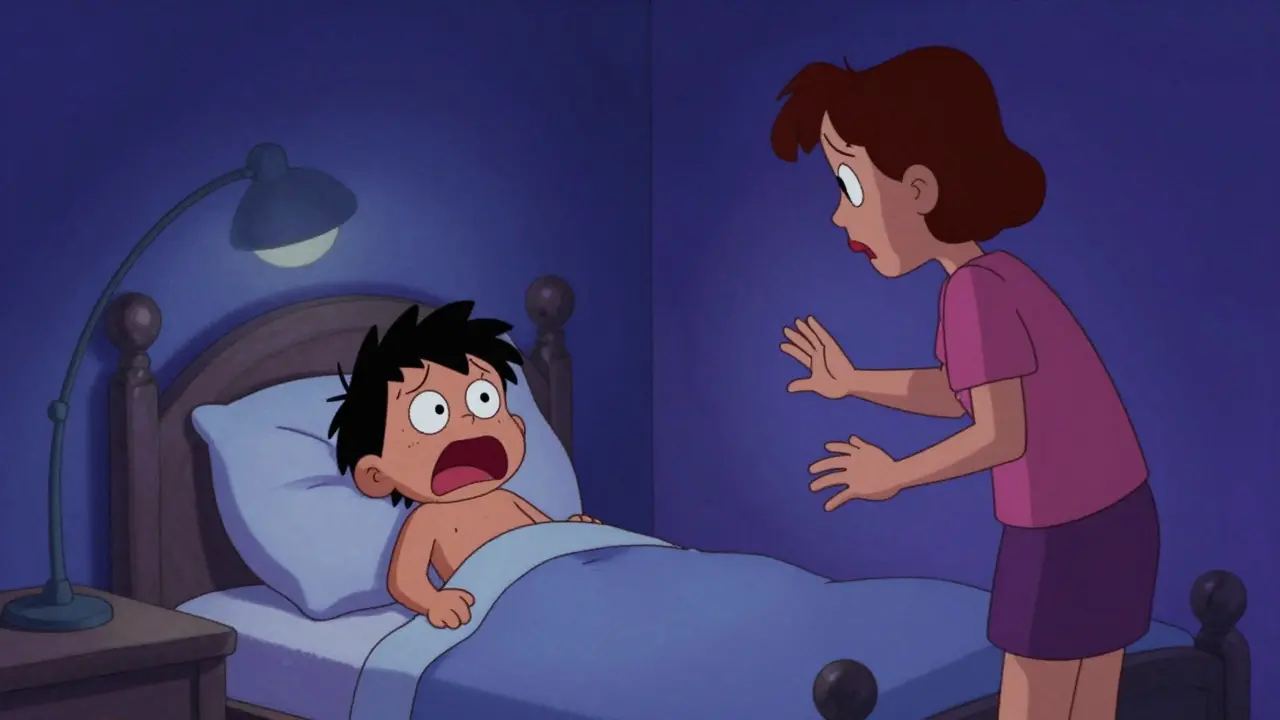
Imagine waking up to find your partner standing in the kitchen at 3 AM, calmly eating cereal while completely unresponsive to your voice. Or perhaps you’ve heard a child scream in terror from another room, only to find them sitting upright in bed with wide eyes, unable to be comforted or woken. These aren't scenes from a horror movie; they are classic presentations of parasomnias, specifically disorders of arousal like sleepwalking (somnambulism) and night terrors. While these events can be frightening for both the sufferer and their family, understanding what is happening physiologically is the first step toward effective management.
Parasomnias are not psychological issues in the traditional sense, nor are they always signs of severe mental illness. According to the International Classification of Sleep Disorders (ICSD-3), they are distinct sleep disorders characterized by abnormal behaviors during sleep transitions or specific sleep stages. For most people, especially children, these episodes are temporary and harmless. However, for adults or those experiencing frequent episodes, they pose real risks of injury and significant disruption to daily life. The goal of management isn't just to stop the behavior, but to ensure safety and restore restful sleep architecture.
Understanding the Physiology: Why Does This Happen?
To manage sleepwalking and night terrors, you first need to understand that they occur during non-rapid eye movement (NREM) sleep, specifically in the deep stages known as slow-wave sleep (stages 3 and 4). This is fundamentally different from nightmares, which happen during REM sleep later in the night. When a person experiences a disorder of arousal, their brain gets stuck in a transitional state between deep sleep and wakefulness. Parts of the brain controlling motor function or emotional response activate, while the prefrontal cortex-responsible for reasoning and memory formation-remains asleep.
This explains why individuals have no memory of the event. Studies indicate that 95% of people have complete amnesia regarding their night terrors or sleepwalking episodes. During a night terror, the body’s autonomic nervous system goes into overdrive. Heart rates can spike to 120-140 beats per minute, breathing becomes rapid, and sweating occurs. Yet, despite this intense physiological arousal, the person is effectively unconscious. If you try to wake someone during a night terror, it is often difficult, and forcing them awake can lead to confusion and agitation rather than relief.
| Feature | Night Terrors | Sleepwalking | Nightmares |
|---|---|---|---|
| Sleep Stage | NREM (Deep Sleep) | NREM (Deep Sleep) | REM Sleep |
| Timing | First third of night | First third of night | Second half of night |
| Memory | No recall | No recall | Vivid recall |
| Responsiveness | Difficult to awaken | Unresponsive/Confused | Easily awakened |
| Primary Risk | Psychological distress | Physical injury | Sleep avoidance |
Immediate Safety: Securing the Environment
The single most important aspect of parasomnia management is environmental safety. Since you cannot predict exactly when an episode will occur, you must assume the sleeper could get out of bed at any time. Data from the Sleep Foundation indicates that 73% of people with sleepwalking report at least one injury incident, ranging from minor cuts to serious fractures. Therefore, securing the bedroom is not optional; it is mandatory.
Start by removing tripping hazards. Clear the floor of clutter, rugs, and sharp objects within a 10-foot radius of the bed. If possible, place the mattress directly on the floor to eliminate the risk of falling out of bed. Next, secure exits. Install door alarms that sound when opened, and use window locks that require two hands to operate or are placed out of reach. Keep keys to cars and gates hidden or removed entirely. If the house has multiple stories, consider installing a baby gate at the top of the stairs. These measures may feel extreme, but they provide peace of mind and drastically reduce the likelihood of harm.
Behavioral Interventions: Scheduled Awakenings
Once safety is established, behavioral interventions offer the highest success rate without medication. The gold standard for managing recurrent sleepwalking and night terrors is Scheduled Awakenings. This technique relies on the fact that these episodes often occur at predictable times, usually within the first few hours after falling asleep.
Here is how to implement scheduled awakenings:
- Track the Pattern: Keep a sleep diary for at least two weeks. Note the exact time each episode begins. You will likely find a consistent window, such as between 11:30 PM and 12:30 AM.
- Set the Alarm: Set an alarm for 15 to 30 minutes before the typical onset time. If episodes vary, aim for the midpoint of the usual window.
- Wake Gently: Wake the individual fully. They should open their eyes, speak a word, or move around slightly. It doesn’t need to be a harsh awakening, but they must break the sleep cycle.
- Return to Sleep: Allow them to go back to sleep naturally.
- Consistency is Key: Repeat this process for 7 to 14 consecutive nights. Research shows this method has a 70-80% success rate in reducing or eliminating episodes.
Why does this work? By interrupting the sleep cycle just before the brain would normally transition into the problematic deep sleep stage, you reset the arousal threshold. Over time, the brain learns to stay in lighter sleep stages or transition more smoothly, preventing the partial arousals that trigger parasomnias.
Sleep Hygiene and Extension Therapy
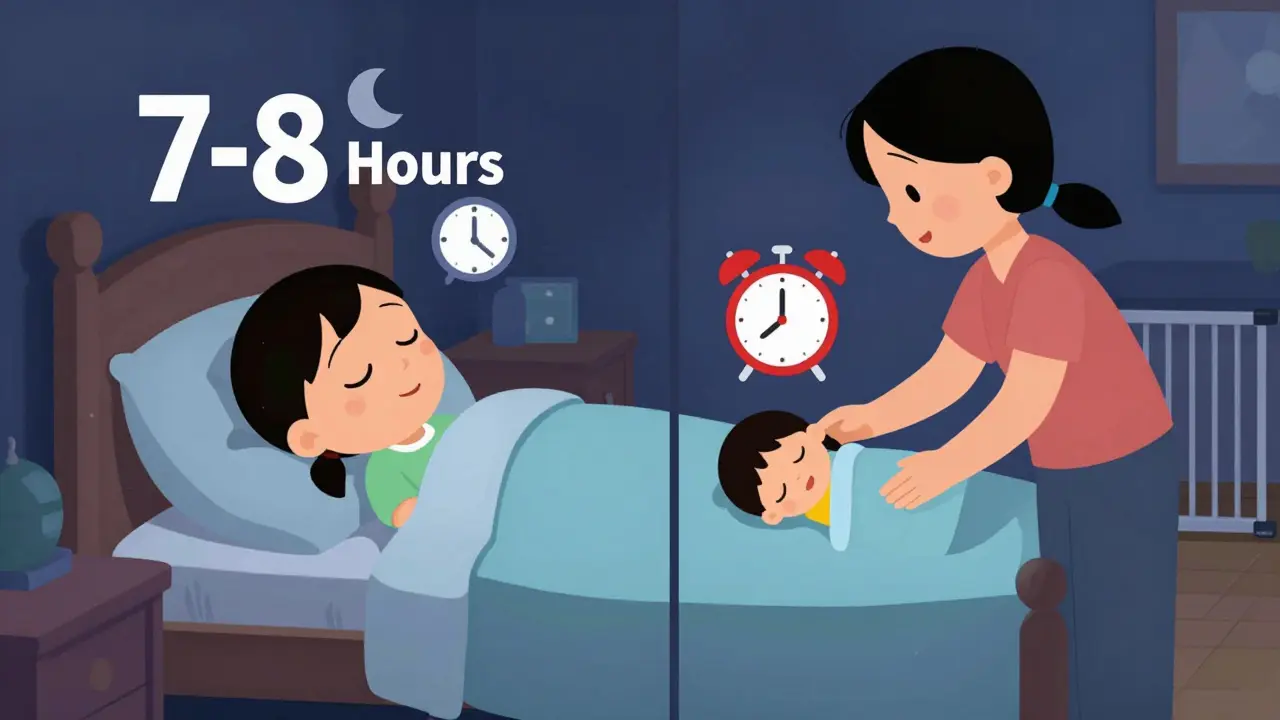
Often, parasomnias are triggered by sleep deprivation. When the body is exhausted, it enters deep NREM sleep more quickly and stays there longer, increasing the "pressure" for arousal disorders. Dr. Carlos Schenck, a leading sleep researcher, advocates for Targeted Sleep Extension. This involves gradually increasing total sleep time to reduce slow-wave sleep pressure.
If you are currently sleeping 6 hours, aim for 7, then 7.5, and eventually 8 hours. Go to bed earlier rather than waking up later to maintain circadian rhythm consistency. Maintain a strict sleep-wake schedule, varying by no more than 30 minutes on weekends. Create a cool (60-67°F), dark, and quiet environment. Avoid alcohol and heavy meals before bed, as these can fragment sleep and trigger arousals. For many, simply getting enough sleep reduces episode frequency by 40-50%.
When to Seek Medical Help
While many cases resolve on their own, particularly in children, certain red flags require professional evaluation. Consult a sleep specialist if:
- The episodes begin in adulthood (adult-onset parasomnias can signal neurological conditions).
- Episodes occur more than twice a week.
- There is violent behavior or risk of serious injury.
- The person remains confused for more than 15 minutes after the episode.
- You suspect underlying conditions like obstructive sleep apnea or restless legs syndrome, which affect 30-40% of adult parasomnia cases.
A doctor may recommend polysomnography (a sleep study) to rule out other disorders. In severe cases where behavioral methods fail, low-dose benzodiazepines like clonazepam or melatonin may be prescribed. However, medication is generally a last resort due to side effects and dependency risks. Cognitive Behavioral Therapy for Insomnia (CBT-I) is also increasingly used to address the anxiety and sleep fragmentation that exacerbate these conditions.
Managing Night Terrors in Children
For parents, night terrors can be emotionally draining. It is crucial to remember that your child is not having a nightmare and is not aware of you. Do not try to wake them. Instead, stand nearby to ensure they don't hurt themselves. Speak softly and calmly, even though they won't hear you. Most episodes end within 5 minutes. Reassure yourself that this is a developmental phase; 90% of night terror cases resolve spontaneously by adolescence. Focus on maintaining a consistent bedtime routine and ensuring they are well-rested to prevent overtiredness, a major trigger.
Can sleepwalking and night terrors be cured?
In children, yes. Approximately 80-90% of cases resolve spontaneously by adolescence as the brain matures. In adults, while a complete "cure" is less common, symptoms can often be managed effectively through behavioral therapies like scheduled awakenings and sleep hygiene optimization, significantly reducing frequency and severity.
Should I wake someone up during a night terror?
No. Waking someone during a night terror is difficult and can cause confusion, agitation, and fear. They are essentially unconscious. It is safer to remain nearby, ensure they do not injure themselves, and wait for the episode to pass, which usually takes 1-5 minutes.
What triggers sleepwalking episodes?
Common triggers include sleep deprivation, stress, fever, irregular sleep schedules, alcohol consumption, and certain medications. Underlying sleep disorders like sleep apnea or restless legs syndrome can also trigger parasomnias by fragmenting sleep.
Is medication necessary for parasomnias?
Medication is rarely the first line of defense. Only about 5-10% of cases require pharmacological intervention, typically reserved for severe, frequent episodes that pose a high injury risk and do not respond to behavioral treatments. Benzodiazepines like clonazepam or melatonin may be used short-term under medical supervision.
How long does scheduled awakening therapy take to work?
Scheduled awakenings typically show results within 1 to 2 weeks of consistent application. It requires waking the individual 15-30 minutes before their usual episode time for 7-14 consecutive nights. Consistency is critical for retraining the sleep cycle.