
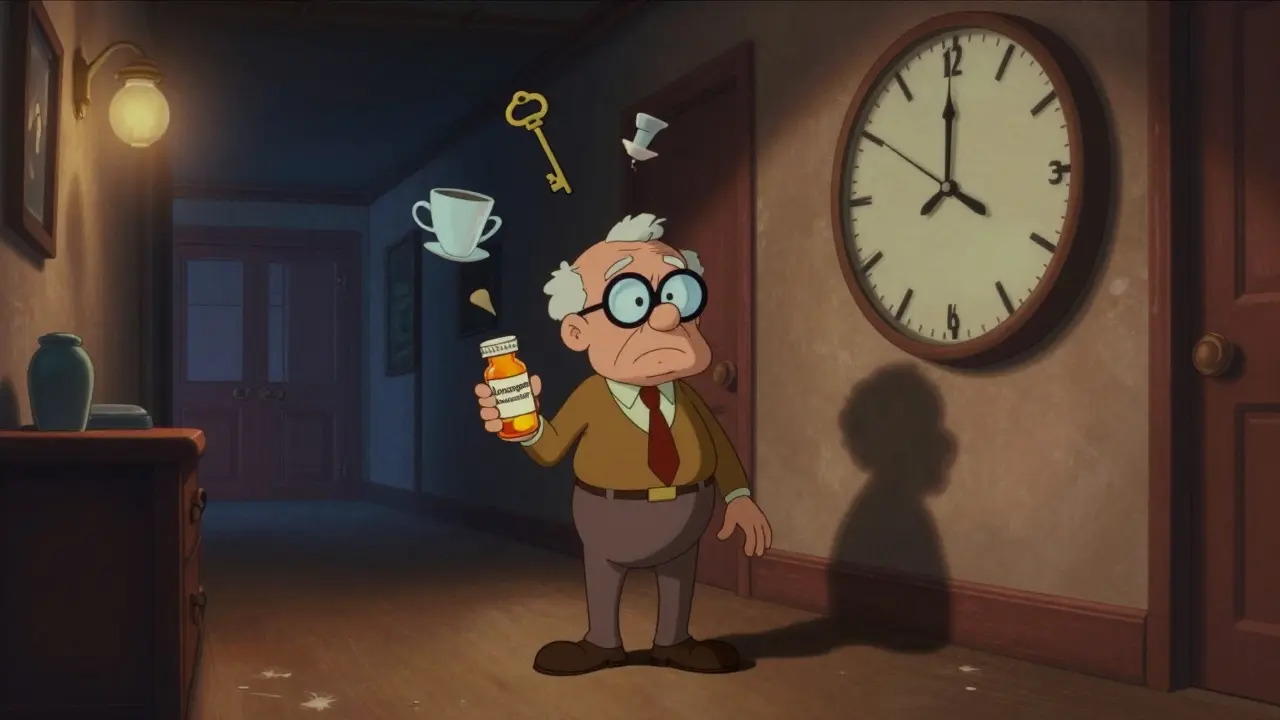
More than 30 million adults in the U.S. fill a benzodiazepine prescription every year. These drugs - like Valium, Xanax, and Ativan - are prescribed for anxiety, insomnia, and seizures. But behind the quick relief they offer lies a quiet, growing threat: memory loss, dangerous falls, and a withdrawal process that can feel like a second illness. For older adults, the risks aren’t just theoretical - they’re life-changing.
How Benzodiazepines Sabotage Your Memory
Benzodiazepines don’t just make you sleepy. They interfere with how your brain forms new memories. This isn’t just forgetting where you put your keys. It’s struggling to remember a conversation you had five minutes ago, or forgetting why you walked into a room. This is called anterograde amnesia - the inability to create new memories after taking the drug. Studies from the 1980s showed this effect clearly. Even low doses of diazepam made it harder for people to remember lists, stories, or visual patterns. The hippocampus, the brain’s memory center, gets dulled by these drugs. Brain scans show reduced activity there during memory tasks. And it’s not just short-term. A 2023 analysis of 19 studies found that long-term users had measurable declines in recent memory, processing speed, and attention - with effect sizes similar to early dementia. Worse, these memory problems don’t vanish when you stop taking the drug. One study followed people for 10 months after quitting. Only 45% returned to their original cognitive levels. The rest kept struggling with brain fog, trouble focusing, and slow thinking. It’s like your brain got stuck in slow motion.Falls Aren’t Just Accidents - They’re a Side Effect
Falls in older adults aren’t random. They’re often tied to medication. Benzodiazepines increase the risk of falling by 50%, and hip fractures by 70%. Why? These drugs don’t just slow your mind - they slow your body. Balance, reaction time, and muscle control all get worse. One study found that older adults on benzodiazepines had 30% less balance control and 25% slower reflexes. It’s not just about being dizzy. These drugs make your body less able to catch itself when you trip. A misstep on a rug, a slick bathroom floor, or even stepping off a curb can turn serious. In the U.S. alone, benzodiazepines are linked to over 93,000 emergency room visits for falls each year - mostly in people over 65. High-potency drugs like alprazolam (Xanax) and lorazepam (Ativan) are even riskier than older ones like diazepam (Valium). That’s why the American Geriatrics Society has listed benzodiazepines as “potentially inappropriate” for seniors since 2012. And yet, they’re still prescribed.Why Tapering Isn’t Just About Cutting Doses
Stopping benzodiazepines suddenly is dangerous. Rebound anxiety, insomnia, tremors, and even seizures can happen. That’s why tapering - slowly lowering the dose - is essential. But it’s not as simple as cutting pills in half. The gold standard is the Ashton Protocol. Developed in the 1980s by Professor C. Heather Ashton, it recommends reducing the dose by 5-10% every one to two weeks. For long-term users, even slower is better. Some people need just 2-5% reductions per month. Switching from a short-acting drug like alprazolam to longer-acting diazepam makes the process smoother. Diazepam breaks down slowly, giving your brain a steadier transition. A 2021 trial with 312 people showed that using this method led to a 68.5% success rate in quitting after six months - compared to just 27% without a structured plan. But it’s not easy. Over 20% of people need to pause their taper for weeks because symptoms flare up. About 8% quit altogether because the withdrawal felt unbearable. Brain fog, anxiety, and insomnia during tapering are common - 87% of people in one survey reported brain fog, and 82% said memory problems got worse before they got better.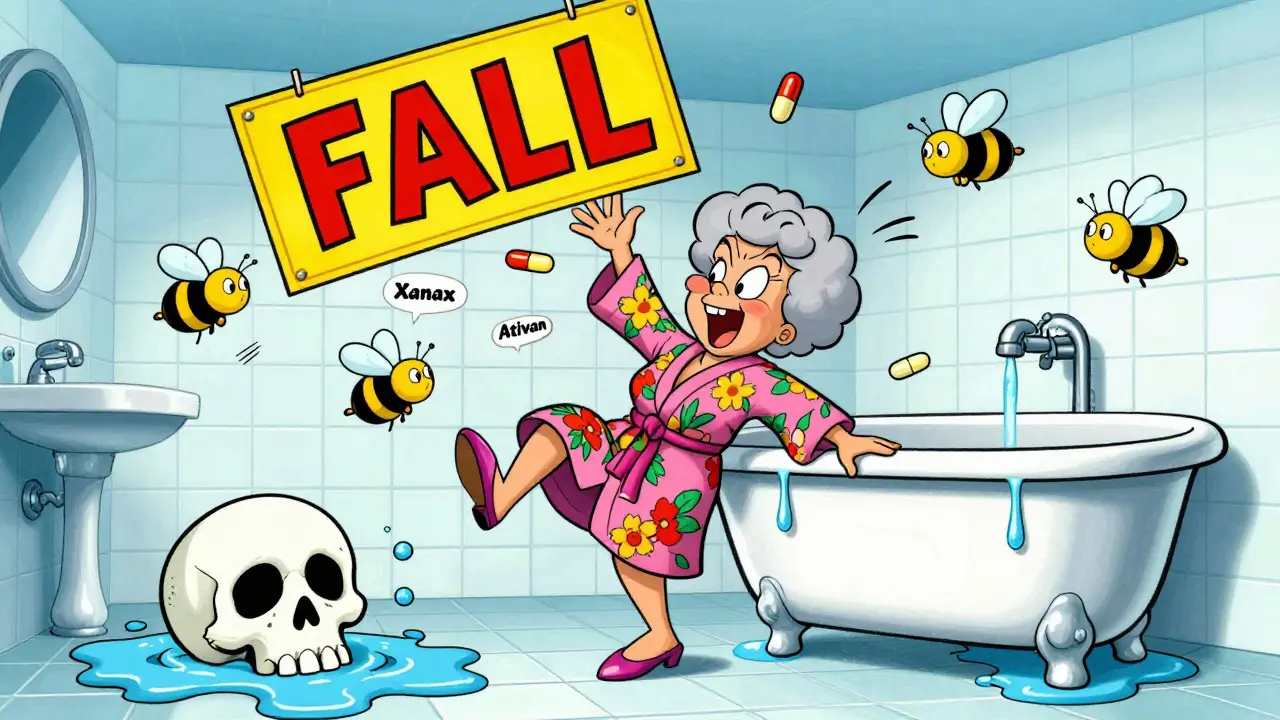
What Success Looks Like After Quitting
The good news? Most people do get better. A 2022 survey of over 1,200 people who tapered off benzodiazepines found that 73% saw cognitive improvements within 6 to 12 months after stopping. Memory, focus, and reaction time slowly returned. Some said it took a full year to feel like themselves again. One man in his late 60s, who’d been on lorazepam for 12 years, started tapering in 2023. At first, he felt worse - anxious, foggy, exhausted. But by month 8, he was sleeping better, remembering names again, and walking without fear of falling. He started using a brain-training app to track progress. “It wasn’t magic,” he wrote on a support forum. “It was patience.”When Is It Safe to Keep Taking Them?
There’s no perfect answer. For some - like someone with severe, treatment-resistant epilepsy - the benefits outweigh the risks. But for anxiety or insomnia? Guidelines are clear: don’t use them for more than four weeks. The American Psychiatric Association says benzodiazepines should be a last resort, not a first-line treatment. For older adults, the maximum daily dose should be no more than 5 mg of diazepam equivalent. Many doctors still prescribe higher doses. That’s why routine cognitive screening matters. Doctors are now encouraged to test patients with the MoCA (Montreal Cognitive Assessment) every six months. A drop of three points means it’s time to reconsider the prescription. If memory or attention worsens, stopping isn’t just wise - it’s necessary.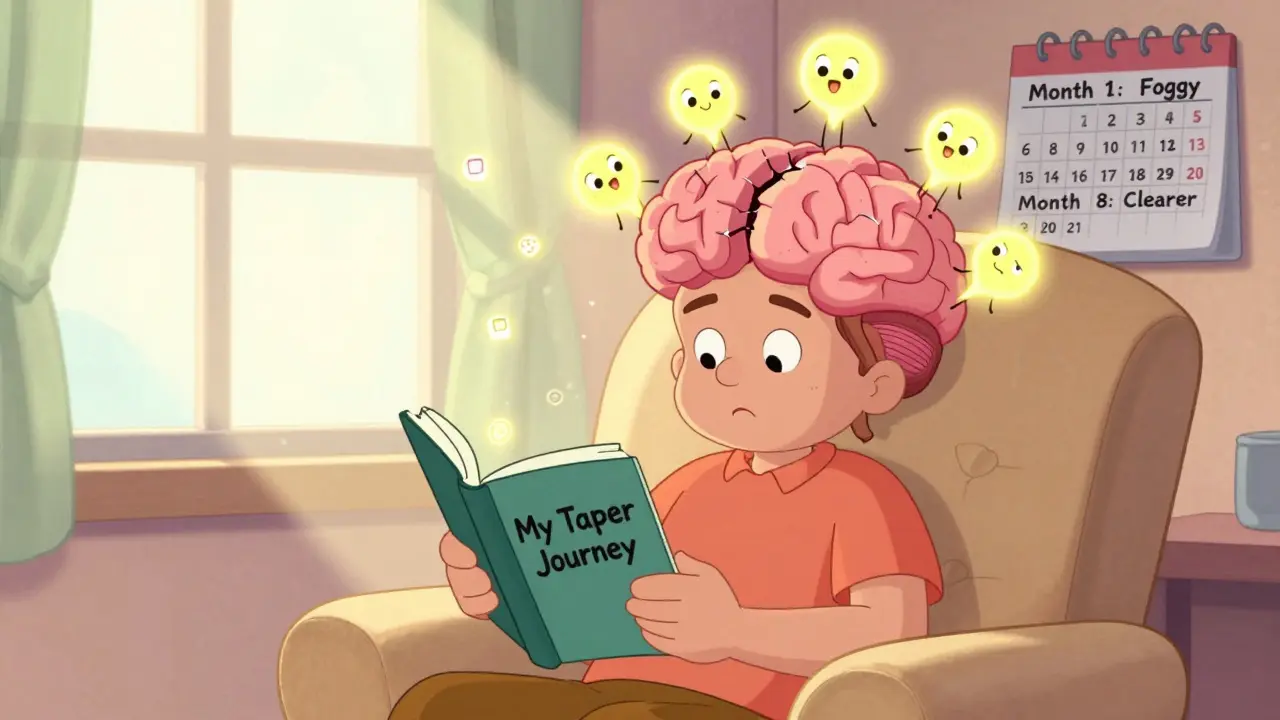
The Future: Better Alternatives on the Horizon
Scientists are working on drugs that target only the parts of the brain that reduce anxiety - without touching memory or balance. Early trials of new compounds (like α2/α3-selective agonists) show promise. In a 2024 study, these drugs cut anxiety by 70% with no memory loss. They’re not available yet, but they’re a sign that the future doesn’t have to include these old risks. Until then, the safest move is to ask: Do I really need this? Is there another way? And if I’ve been on it for years - could I try to stop?What You Can Do Today
- If you’re on benzodiazepines, ask your doctor for a cognitive check-up - even if you feel fine.
- Don’t stop suddenly. Work with a prescriber who understands tapering.
- Consider switching to diazepam if you’re on a short-acting drug - it makes tapering smoother.
- Track your progress. Use simple tools: journal your sleep, memory, and balance. Note changes week by week.
- Connect with others. Online communities like the Benzodiazepine Information Coalition offer real stories and practical advice.
These drugs helped millions. But they also left behind a trail of forgotten names, unsteady steps, and years of brain fog. The science is clear: the longer you take them, the harder they are to quit - and the longer it takes to heal. But healing is possible. It just takes time, support, and the courage to ask: Is this still helping me - or holding me back?