If you have allergies and keep getting sinus infections, you’re not alone. Up to 70% of people with chronic sinusitis have underlying allergies driving the problem. But treating it like a regular cold or infection won’t work. You need to break the cycle-allergy triggers inflammation, and that inflammation makes your sinuses more vulnerable to infections, which then feed back into more inflammation. It’s a loop that keeps going unless you target both sides.
Why Allergies Make Sinusitis Worse
Allergic rhinitis doesn’t just cause sneezing and itchy eyes. When your immune system overreacts to pollen, dust mites, or mold, it swells the lining of your nasal passages and sinuses. That swelling blocks the tiny drainage channels. Mucus builds up. Bacteria grow. And suddenly, you’ve got sinusitis-not because of a virus, but because your allergies turned your sinuses into a breeding ground.
Studies show that 65-75% of chronic sinusitis cases start with untreated allergies. And if you’re exposed to allergens daily-like living in a dusty home or near high-pollution areas-you’re stuck in a cycle. Even after a course of antibiotics, symptoms return because the root cause wasn’t touched. That’s why treating just the infection with pills or sprays often fails in allergy sufferers.
First-Line Treatments That Actually Work
The best place to start isn’t with antibiotics-it’s with nasal corticosteroids. These aren’t your grandpa’s steroid pills. They’re sprays that go directly into your nose: fluticasone (Flonase), mometasone (Nasonex), budesonide (Rhinocort), and others. They reduce swelling, open up drainage, and calm the allergic response.
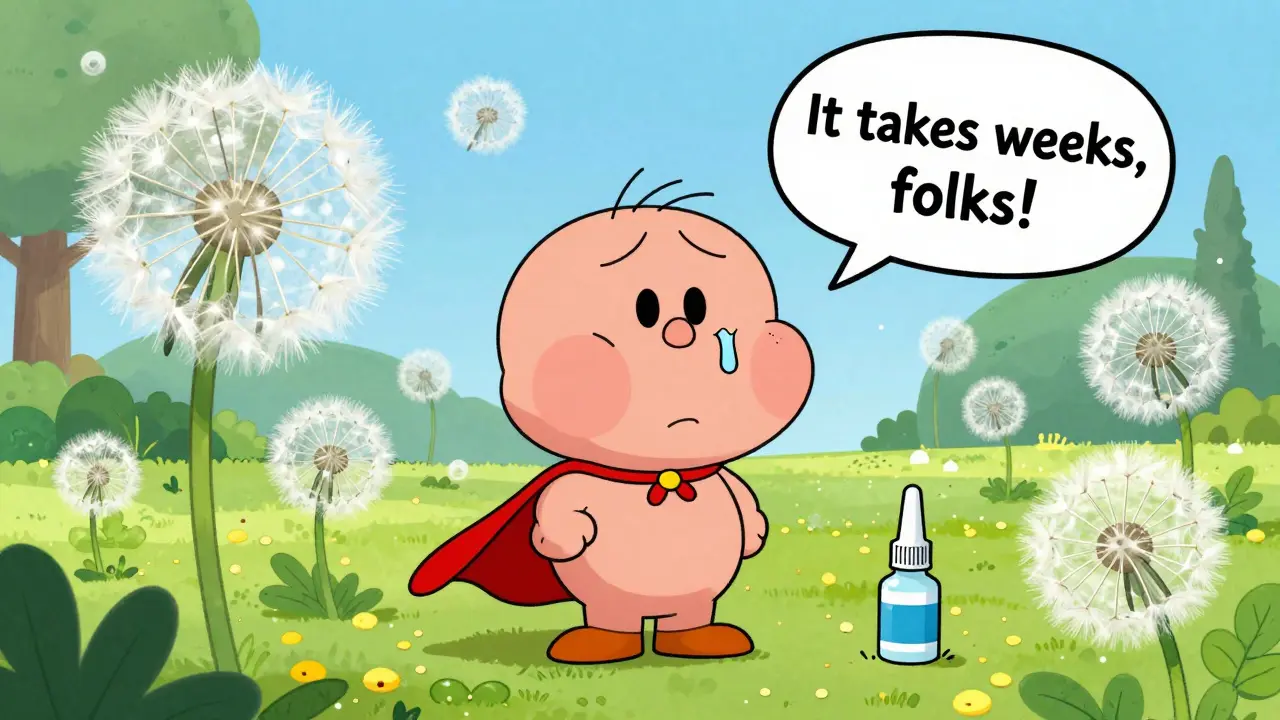
But here’s the catch: they take time. Most people don’t feel better for 2-4 weeks. And if you stop after a few days because it “doesn’t work,” you’re setting yourself up for failure. One study found that by week four, only 35-40% of patients were still using their spray regularly. That’s why sticking with it matters more than the brand.
Combine that with daily saline irrigation. Use a neti pot or squeeze bottle with distilled or boiled water-never tap water. Mix in one packet of saline, tilt your head, and let it flow through one nostril and out the other. Do it once or twice a day. This flushes out allergens, mucus, and bacteria. The CDC warns that using unsterile water can lead to rare but deadly brain infections from Naegleria fowleri. That’s not a risk you want to take.
When Antibiotics Help (and When They Don’t)
Antibiotics have a place-but only in a small slice of cases. For people without allergies, about 80% of acute sinusitis clears up on its own. But in allergy sufferers, antibiotics alone work only 35-45% of the time. Why? Because the problem isn’t bacteria-it’s inflammation caused by allergens.
So when do you need them? Only if you have thick, colored discharge for more than 10 days, or if symptoms get worse after improving. In those cases, amoxicillin is the go-to first choice: 500 mg three times a day for 5-10 days. If you’ve had multiple courses or the infection doesn’t respond, your doctor may switch to amoxicillin-clavulanate. But don’t ask for antibiotics just because you feel miserable. They won’t fix your allergies.

Advanced Options for Stubborn Cases
If you’ve tried sprays, rinses, and antibiotics-and you’re still stuck-there are stronger tools. One major red flag is nasal polyps. These soft, grape-like growths in your nose block airflow and drainage. They’re common in people with allergies and asthma. If you have them, you’re likely in the 10-15% of patients with aspirin-exacerbated respiratory disease (AERD), which needs special care.
For severe cases, biologics are changing the game. Dupilumab (Dupixent) is an injection given every two weeks. In trials, it reduced nasal polyp size by 73% and cut sinus flare-ups by more than half. Omalizumab (Xolair) and mepolizumab (Nucala) also help, especially if you have asthma too. But they cost around $3,500 a month without insurance. Most insurers require proof that you’ve tried at least two other treatments first.
Another new option is tezepelumab (Tezspire), approved in 2023. It targets a broader inflammatory pathway and showed a 56% drop in sinusitis flare-ups in clinical trials. It’s promising, especially for people who don’t respond to other biologics.
Immunotherapy: The Long-Term Fix
While medications manage symptoms, allergy shots (immunotherapy) can change the disease itself. Over 3-5 years, weekly injections gradually train your immune system to stop reacting to allergens like ragweed or dust mites. Studies show 60-70% of patients see fewer sinus infections after completing treatment. That’s way better than the 25-30% improvement you get from just taking antihistamines.
It’s not quick. The buildup phase takes 4-6 months of weekly shots. Then you switch to monthly shots for years. But if you stick with it, you might eventually stop needing nasal sprays altogether. Sublingual tablets (placed under the tongue) are an alternative for some allergens, like grass or ragweed, but they’re less effective for multiple triggers.

When to See an ENT Specialist
You don’t need to wait until you’re desperate. See an ear, nose, and throat doctor if:
- Your symptoms haven’t improved after 4-6 weeks of proper nasal steroid use and daily rinses
- You have nasal polyps, confirmed by a nasal endoscopy
- You’ve had four or more sinus infections in one year
- You’ve lost your sense of smell for more than a few weeks
- You have facial swelling, vision changes, or severe headaches-signs of possible complications
- You suspect fungal sinusitis (common in mold-prone areas)
ENTs use a thin camera (endoscope) to look inside your sinuses. They can see exactly where the blockage is, whether polyps are growing, or if there’s a structural issue like a deviated septum. They’ll also test for allergies if you haven’t been tested yet. This isn’t a luxury-it’s necessary for long-term control.
What Doesn’t Work (And Why)
Many people try home remedies that sound logical but don’t help-or make things worse. Steam inhalation? It feels good, but it doesn’t reduce inflammation or clear mucus long-term. Essential oils? They can irritate sensitive nasal tissue. Over-the-counter decongestant sprays (like oxymetazoline)? Using them more than 3 days in a row causes rebound congestion. You end up more blocked than before.
And while oral antihistamines help with sneezing and itching, they’re weak against sinus pressure and drainage. One 2021 study found fluticasone reduced symptoms by 65%, while cetirizine only managed 42%. If your main problem is stuffiness and pain, antihistamines aren’t your best bet.
The Bigger Picture: Cost, Access, and Future Hope
Sinusitis costs the U.S. healthcare system over $3.5 billion a year. About a third of those cases are tied to allergies. The problem? Many people, especially in rural areas, wait months to see a specialist. In some regions, it takes 30-40% longer to get an ENT referral than in cities. That delay means more infections, more antibiotics, and more missed work.
But there’s progress. New guidelines from early 2024 now support intranasal antifungals for people in mold-heavy areas. Research is also looking at microbiome therapies-using good bacteria to crowd out bad ones-which could cut antibiotic-resistant cases by nearly half in the next five years.
For now, the most effective strategy is simple: treat the allergy, clear the sinuses, and don’t give up. Most people feel better within weeks if they stick to the basics. And if they don’t? There’s a path forward-with specialists, biologics, and real hope for long-term relief.