Getting sick or running out of medication while traveling abroad is one of the most stressful things that can happen on a trip. You don’t speak the language, you don’t know where to go, and your prescription might not even exist in that country. That’s where travel health apps come in - they’re not just convenient, they can be lifesaving. In 2025, with more people traveling than ever, having the right app ready before you leave is no longer optional. It’s basic preparation - like packing a charger or buying travel insurance.
Why You Need More Than Just a Google Search
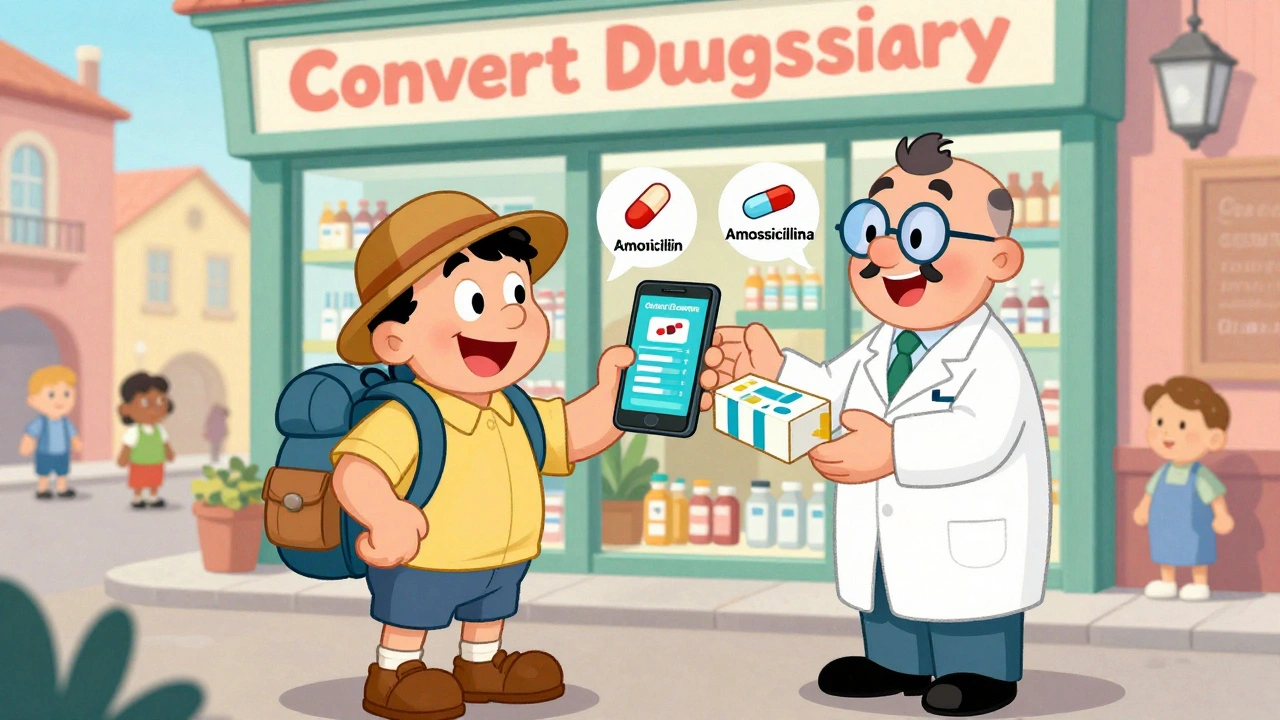
A Google search for "pharmacy near me" in Bangkok or Rome won’t help if you don’t know the local name for your medication. Your pill might be called Amoxicillin in the U.S., but in Italy it’s sold as Amossicillina, and in Japan it’s アモキシシリン. Even if you find a pharmacy, the pharmacist might not understand your prescription. That’s where apps built specifically for travelers step in. They don’t just show you locations - they translate your meds, connect you to English-speaking doctors, and even help you get a refill if your original prescription isn’t valid.Top Apps for Finding Pharmacies and Clinics Abroad
There are about eight major apps designed for this exact problem. Each has strengths and weaknesses. Here’s what actually works based on real user reports and expert reviews from 2023-2025.- Convert Drugs Premium - This app is the gold standard for matching your medication to local equivalents. It works in 220 countries and translates over 15,000 drug names. If you’re on a blood pressure pill, antidepressant, or insulin, it tells you exactly what to ask for in Spanish, Thai, or Arabic. It’s iOS-only, costs $7.99, and doesn’t require internet once downloaded. But it doesn’t connect you to doctors or clinics - just the meds.
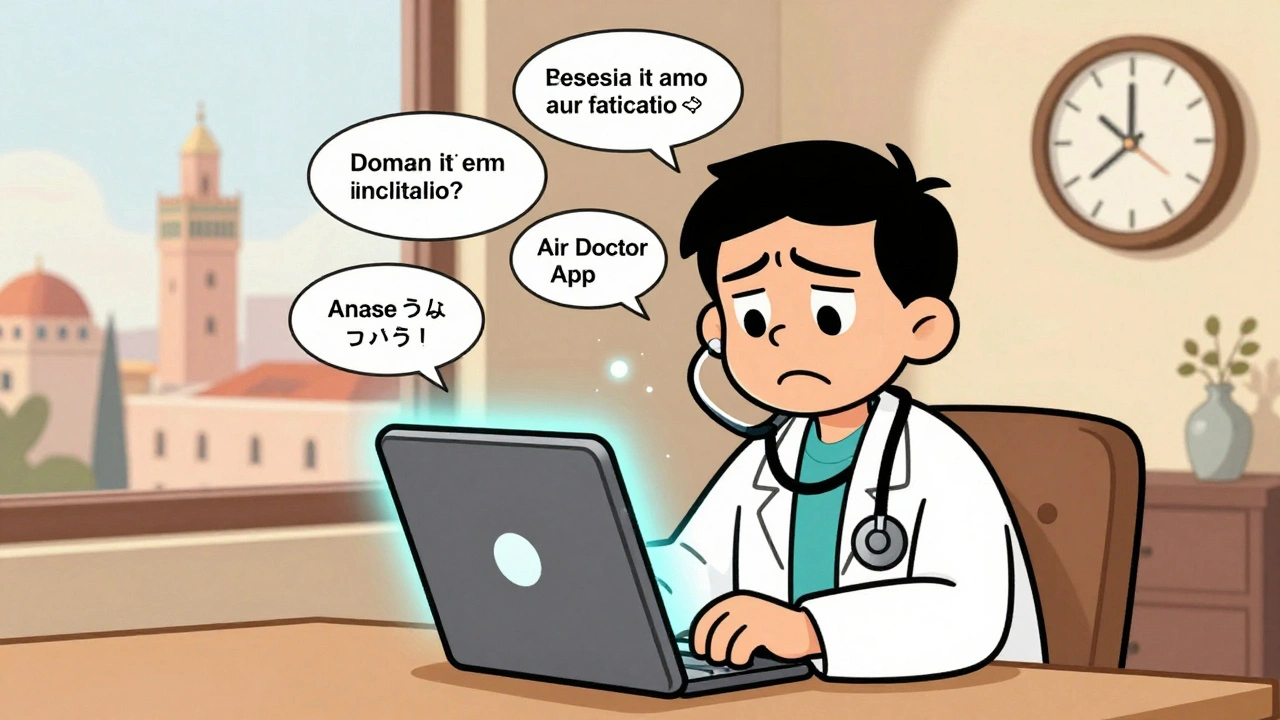
- Air Doctor - If you need to talk to a doctor right away, this is your best bet. It connects you to over 25,000 verified clinics and hospitals in 195 countries. You can video call a doctor in your language, get a diagnosis, and even have a prescription sent to a nearby pharmacy. The catch? Each consultation costs $49-$79. Still, users say it cuts emergency wait times by nearly an hour.
- mPassport - Great for booking appointments in advance. It lets you schedule visits to clinics and pharmacies in 60 major cities worldwide. It also has a solid medication database (15,000+ drugs), and you can save your medical history in the app. But it doesn’t cover small towns or rural areas - stick to cities.
- TravelSmart - If you have Allianz travel insurance, this app is seamless. It links directly to your policy, lets you file claims on the spot, and has the largest medication dictionary (5,000+ translations). Without insurance, most features lock down. It’s the only app with offline access to drug names, which is huge if you’re in a place with spotty internet.
- Epocrates - Popular with U.S. doctors, this app has a massive drug database and is free to use. But it’s not built for travelers. It doesn’t show local pharmacies, and it often fails to recognize non-U.S. prescriptions. Many travelers report it didn’t work in France or Germany, even though it claims EU coverage.
How to Pick the Right App for Your Trip
You don’t need all of them. But you should pick at least two - one for meds, one for care. Here’s how to choose:- Going to Europe? Use Convert Drugs Premium + mPassport. Many EU countries now share e-prescriptions, but not all pharmacies know how to handle foreign ones. Convert Drugs helps you find the local version; mPassport helps you book a visit.
- Traveling to Southeast Asia or Latin America? Air Doctor + TravelSmart. These regions have fewer English-speaking pharmacists. Air Doctor gets you a doctor fast; TravelSmart gives you the drug names in local languages.
- On a budget? Download TravelSmart for free (even without insurance) and use Convert Drugs Premium’s free trial. You can save your meds list before you go, then search offline.
- Have a chronic condition? Don’t rely on apps alone. Print out your prescription in English and the local language. Bring extra pills. Use the apps as backup, not your only plan.
How to Set Up Your Apps Before You Leave
Don’t wait until you’re in a foreign pharmacy with a fever. Do this two weeks before you fly:- Download 2 apps - one for medication matching, one for clinic access.
- Create accounts and log in. Some require email verification.
- Enter your medications: name, dosage, frequency. Use the generic name (e.g., “Lisinopril,” not “Zestril”).
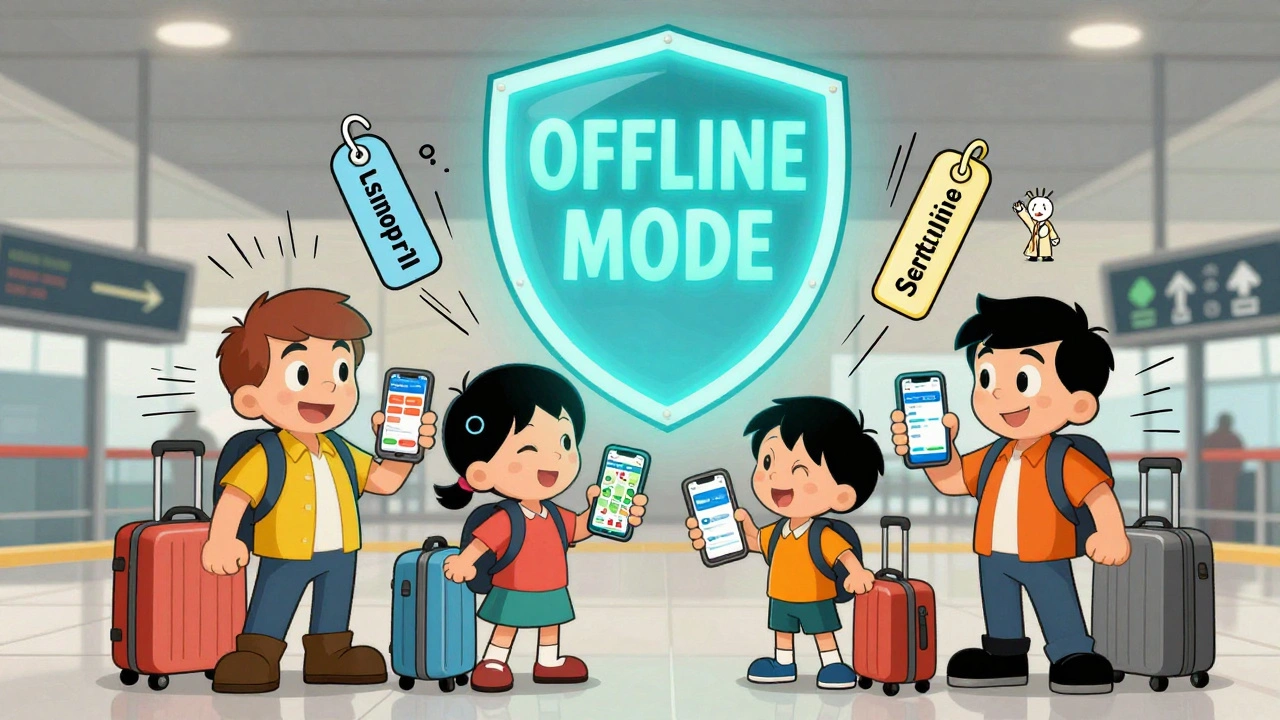
- Turn on offline access if available. TravelSmart and Pepid let you download drug lists for offline use.
- Save your insurance info in TravelSmart or your provider’s app.
- Take a screenshot of your prescriptions and keep them in your phone’s photo album - even if the app fails, you’ll have proof.
What These Apps Can’t Do
They’re powerful, but they’re not magic. Here’s what you still need to handle yourself:- Pre-travel consultations - Apps can’t tell you if you need a yellow fever shot or malaria pills. That’s your doctor’s job.
- Rural areas - In villages or remote islands, there may be no app coverage. Always carry extra meds.
- Emergency care - If you’re having a heart attack or severe allergic reaction, call local emergency services. Apps won’t send an ambulance.
- Legal prescriptions - Some countries require a local doctor to write a new prescription. Apps can’t bypass that.
Dr. David Oshinsky from NYU Langone says it best: “These apps are like GPS for your meds - they show you the road, but you still have to drive.”
Real Stories From Travelers
One user in Bangkok ran out of her antidepressant. She opened Convert Drugs Premium, typed in “Sertraline,” and found it sold as “Zoloft” at a pharmacy two blocks away. She got it without a problem. Another traveler in Morocco had a severe stomach infection. He used Air Doctor, connected to a doctor in English within minutes, got a prescription for ciprofloxacin, and the app showed him the nearest pharmacy that had it in stock. He was back on his feet in three hours. On Reddit, a user named u/TravelMedTech said: “I used mPassport to find a clinic in Lisbon that spoke English. They gave me the same antibiotic I use at home. I didn’t have to guess or risk taking the wrong pill.”What’s Coming Next
The apps are getting smarter. Convert Drugs Premium is launching an Android version in late 2025. Air Doctor added an AI symptom checker that reduces misdiagnosis by 22%. The EU is rolling out a digital health passport in early 2026 that will let you share prescriptions across member countries - which could make apps like Convert Drugs less essential in Europe. But for now, in countries outside the EU, these tools are your best defense. And the market is growing fast. In 2025, over 15 million travelers use them. Corporate travel programs now give them to employees on international assignments. That’s how important they’ve become.Final Tips for Using Travel Health Apps
- Always carry a printed copy of your prescriptions and a doctor’s note - even if the app works.
- Check app coverage for your destination before you go. Some apps don’t work in North Korea, Cuba, or parts of Africa.
- Use Wi-Fi when you can to update your app and sync your data.
- Turn on location services - most apps use GPS to show the nearest options.
- Don’t trust apps that promise “free doctor visits” without clear pricing. They’re often scams.
If you’re going abroad, you wouldn’t skip checking the weather. Don’t skip checking your meds. These apps are simple, affordable, and designed for exactly the situation you might face. Use them before you go - not when you’re sick in a foreign city.
Can I use these apps without internet access?
Some apps like TravelSmart and Convert Drugs Premium allow you to download medication databases and clinic lists for offline use. But features like video consultations, real-time location, and appointment booking require internet. Always download what you can before you leave, and carry a backup list of your meds in writing.
Are these apps safe and private?
Reputable apps like Air Doctor and mPassport follow GDPR and HIPAA-like standards for data protection. They don’t share your medical info with third parties. But avoid apps that ask for unnecessary permissions like contacts or camera access. Stick to apps with clear privacy policies and high user ratings.
Do I need to pay for these apps?
Some apps are free to download but charge for consultations (like Air Doctor) or premium features. Others, like Convert Drugs Premium, cost a one-time fee of $7.99. TravelSmart is free to use but requires Allianz insurance for full access. You don’t need to pay for everything - pick one free app for meds and one paid app for emergencies if you’re on a budget.
What if my medication isn’t in the app?
If your medication isn’t listed, search by its generic name (e.g., “Metformin” instead of “Glucophage”). If that fails, take a photo of your pill bottle and show it to a pharmacist. Most pharmacists can identify pills by shape, color, and markings. You can also ask for a similar drug in the same therapeutic class - the app may suggest alternatives.
Can I use these apps for my family members?
Most apps allow you to add multiple profiles. In Convert Drugs Premium and TravelSmart, you can store medications for up to five family members. This is useful for parents traveling with kids or couples sharing the same phone. Just make sure each person’s meds are entered correctly.