Every year, acetaminophen leads to over 56,000 emergency room visits in the U.S. alone. That’s more than all other pain relievers combined. The scary part? Most of these cases happen because people don’t realize how easily they can accidentally overdose. You probably have acetaminophen in your medicine cabinet right now-maybe even in multiple products. But with simple steps, you can keep your liver safe while still managing pain.
acetaminophen is the active ingredient in Tylenol and over 600 other medications. It’s safe when used correctly, but it becomes dangerous when too much builds up in your body. The liver processes acetaminophen into a toxic substance called NAPQI. Normally, glutathione neutralizes this toxin. But when you take too much, glutathione runs out, and NAPQI starts destroying liver cells.Why Acetaminophen Is a Silent Threat
Many people think "more pain relief = more medicine," but that’s exactly when things go wrong. The FDA limits daily acetaminophen to 4,000 mg for healthy adults. Yet studies show nearly half of overdoses happen unintentionally. How? Because acetaminophen hides in cold medicines, sleep aids, and prescription painkillers. If you take Tylenol for a headache and NyQuil for a cold, you’re doubling your dose without knowing it. The CDC reports that 25% of unintentional overdoses come from mixing these products.
Alcohol makes the risk even worse. Even one drink with acetaminophen can lower the danger threshold to just 2,000 mg daily. For people with existing liver disease, the Veterans Affairs Hepatitis Resource Center recommends sticking to 2,000 mg total per day. Why? Your liver is already weakened, so it can’t handle extra stress.
5 Steps to Avoid Liver Injury
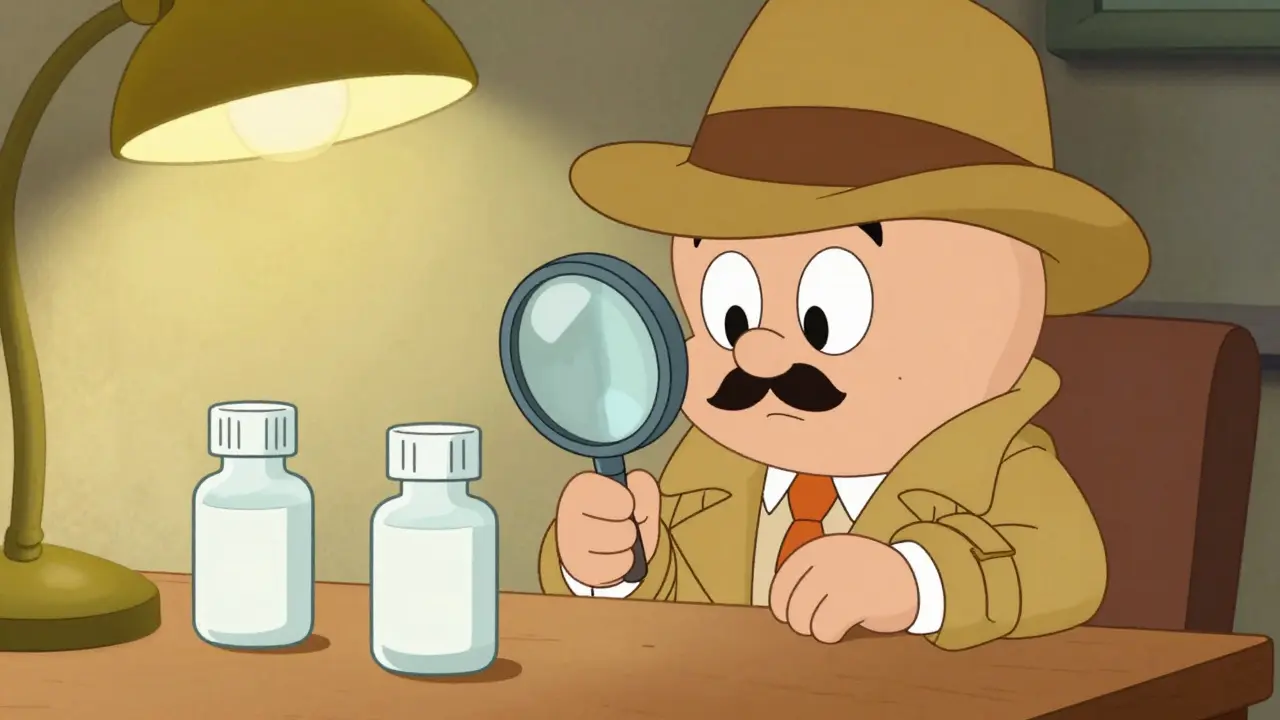
1. Check Every Label Like a Detective
"Acetaminophen" isn’t the only name. You’ll also see "APAP," "paracetamol," or "acetaminophen" on packaging. Read every medicine label before taking it-yes, even vitamins and supplements. A 2023 UC San Diego Health study found 1 in 3 people accidentally take extra acetaminophen because they don’t check labels. Keep a notepad: write down every product you take and its acetaminophen content. Total it up daily.
2. Know Your Safe Dose Limits
Healthy adults: max 4,000 mg per day (that’s 8 regular-strength Tylenol pills). But if you have liver disease, diabetes, or drink alcohol regularly, cut that to 2,000 mg. The American College of Gastroenterology confirms this is the safest approach. Never take more than 1,000 mg in a single dose. Space doses at least 6 hours apart. Use a pill organizer with clear daily slots to avoid confusion.
3. Avoid Alcohol Completely
Alcohol and acetaminophen are a deadly mix. When you drink, your liver prioritizes processing alcohol over acetaminophen. This slows down detoxification, letting NAPQI build up faster. Even moderate drinking (like one glass of wine) can double your liver injury risk. The FDA requires all acetaminophen labels to say "ALCOHOL WARNING" for this exact reason.
4. Skip Combination Cold and Flu Medicines
Those "one pill for everything" cold remedies almost always contain hidden acetaminophen. The FDA says 25% of overdoses happen this way. If you have a cold, choose single-ingredient medicines. For congestion, use a nasal spray. For fever, take plain acetaminophen only if needed. Always check the active ingredients list-no shortcuts.
5. Recognize Early Warning Signs
Liver damage starts silently. Symptoms like nausea, loss of appetite, or right-side abdominal pain can appear within 24 hours of an overdose. Jaundice (yellowing skin or eyes), dark urine, or clay-colored stools mean you need emergency care. The National Institute of Diabetes and Digestive and Kidney Diseases says 93% of severe cases show these signs early. If you suspect an overdose, call poison control immediately. The antidote N-acetylcysteine works best within 8 hours.
Smart Alternatives for Pain Relief
When acetaminophen isn’t safe, try these options:
- Topical NSAIDs like diclofenac gel: Applied directly to joints, they rarely affect the liver. Great for arthritis pain.
- Physical therapy: Strengthening muscles around painful areas reduces strain. Studies show it works as well as pills for back pain.
- Cognitive behavioral therapy: Helps manage chronic pain by changing how your brain processes discomfort. The American Liver Foundation recommends this for long-term pain relief.
- Acupuncture: Research shows it reduces pain intensity for migraines and osteoarthritis without liver risks.
For occasional headaches, try a cold compress or rest. For muscle aches, a warm bath often helps. These simple methods work without any medication at all.

Frequently Asked Questions
Can I take acetaminophen if I have liver disease?
Yes, but only under strict limits. The Veterans Affairs Hepatitis Resource Center recommends no more than 2,000 mg daily for those with liver disease. Always consult your doctor before using any pain reliever if you have liver issues. Never take acetaminophen with alcohol, even in small amounts.
Is Tylenol safer than ibuprofen for my liver?
Tylenol (acetaminophen) is safer for your liver than NSAIDs like ibuprofen when used correctly. NSAIDs primarily risk stomach bleeding and kidney damage, not liver injury. However, acetaminophen is still the leading cause of acute liver failure in the U.S. due to accidental overdoses. Always follow dosing instructions for either medication.
How long does it take for liver damage to show up after an overdose?
Symptoms often appear within 24-72 hours. Early signs include nausea, vomiting, and right-side abdominal pain. By the time jaundice (yellowing skin) develops, liver damage is usually severe. If you suspect an overdose, seek help immediately-the antidote N-acetylcysteine works best within 8 hours of taking too much acetaminophen.
Can I take acetaminophen while pregnant?
Yes, but only in low doses for short periods. The FDA and American College of Obstetricians recommend no more than 3,000 mg daily during pregnancy. Always consult your OB-GYN first. Avoid combination cold medicines, as they often contain extra ingredients that aren’t pregnancy-safe.
What should I do if I accidentally take too much?
Call poison control (1-800-222-1222 in the U.S.) or go to the ER immediately. Do not wait for symptoms. The antidote N-acetylcysteine is most effective within 8 hours of overdose. Hospitals can test your blood acetaminophen levels and start treatment right away. Time is critical-don’t delay.