Every year, millions of Americans reach for antihistamines and decongestants without a second thought. They’re on every pharmacy shelf, advertised on TV, and often handed out by well-meaning friends. But here’s the truth: these so-called harmless remedies carry real, sometimes dangerous, risks - especially when used the wrong way.
What You’re Actually Taking
Antihistamines block histamine, the chemical your body releases during an allergic reaction. That’s why they help with sneezing, itchy eyes, and runny nose. Common ones include diphenhydramine (Benadryl), loratadine (Claritin), and cetirizine (Zyrtec). But not all antihistamines are the same. First-generation types like Benadryl cross into your brain and cause drowsiness. Second-generation ones like Claritin barely touch your brain - so they’re less likely to knock you out. Decongestants work differently. They shrink swollen blood vessels in your nose to clear congestion. Pseudoephedrine (Sudafed) and phenylephrine are the big names here. But while they unblock your nose fast, they also tighten blood vessels everywhere else - including in your heart and brain.The Drowsiness Trap
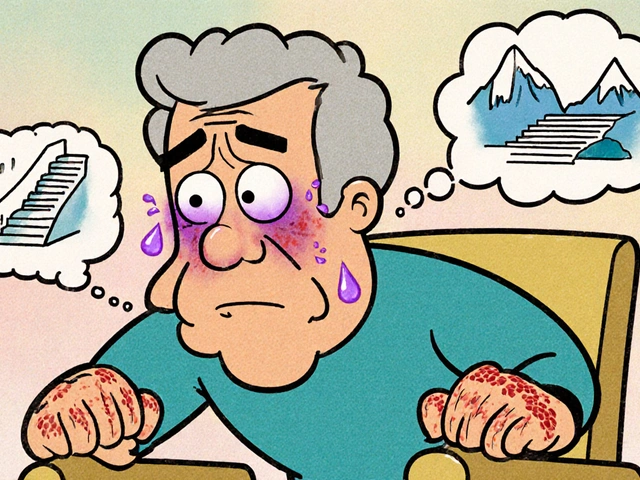
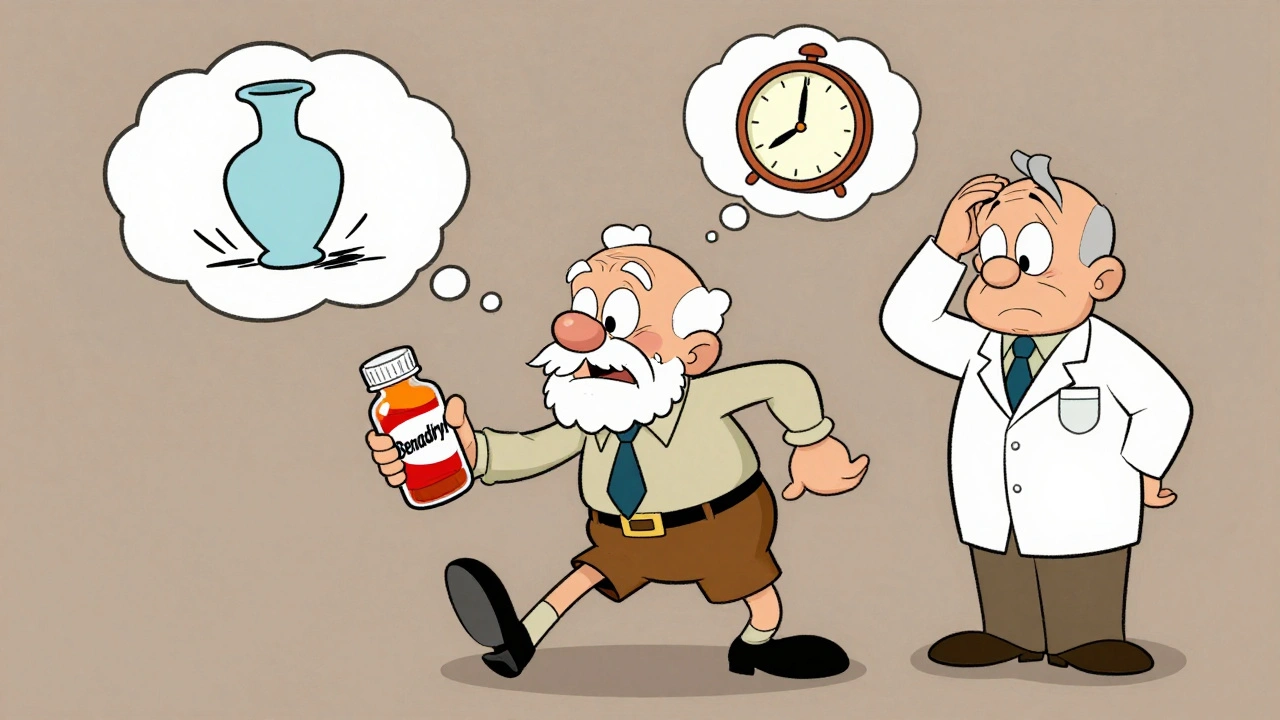
If you’ve ever taken Benadryl for allergies and felt like you were in a fog, you’re not alone. About 60% of people who use first-generation antihistamines report drowsiness. That’s not just annoying - it’s dangerous. The AARP found that adults over 65 who take these meds have a 300% higher risk of falling. And falls in older adults often lead to broken hips, hospital stays, and even death. Even if you’re young, drowsiness can sneak up on you. Driving after taking diphenhydramine is like driving drunk. One study showed reaction times dropped by 30%. And it doesn’t just happen with pills. Many sleep aids, cold meds, and even some cough syrups contain it - often hidden under brand names.Decongestants and Your Heart
Decongestants don’t just clear your nose - they raise your blood pressure. On average, pseudoephedrine increases systolic pressure by 1 to 3 mmHg. Sounds small? For someone with existing high blood pressure, that’s enough to trigger a crisis. The Mayo Clinic says decongestants can spike blood pressure by 5 to 10 mmHg in vulnerable people. That’s the difference between a manageable 140/90 and a dangerous 150/100 - or worse. And it’s not just hypertension. People with heart disease, thyroid problems, or diabetes are at higher risk. The NHS and WebMD both warn: if you have any of these conditions, don’t take decongestants without talking to your doctor. In rare cases, they’ve caused hallucinations, heart palpitations, and even strokes.The Rebound Effect
Nasal sprays like Afrin (oxymetazoline) give instant relief. But if you use them longer than three days, your nose gets worse. That’s called rebound congestion - and it affects about half of users. You stop the spray, your nose swells up again, so you use more. It becomes a cycle. And the only way out? Stopping cold turkey - which feels awful for days. Most people don’t realize this is even possible. They think, “It worked yesterday, so I’ll use it again.” But the science is clear: nasal decongestant sprays are meant for emergencies, not daily use.
Combination Pills Are a Hidden Hazard
“Sinus + Cold + Allergy + Pain Relief” - that’s what the label says. But what it really means is: “I’m packing four drugs into one pill.” These combo products often include acetaminophen (Tylenol), antihistamines, decongestants, and sometimes cough suppressants. The problem? You might be doubling up without knowing it. If you take a cold med with acetaminophen and also take Tylenol for a headache, you can easily hit the 4,000 mg daily limit. That’s the point where liver damage becomes a real risk. And if you’re on antidepressants? Antihistamines can make you extra sleepy. Decongestants can cause dangerous spikes in blood pressure when mixed with SSRIs or MAOIs. The FDA has documented cases of people ending up in the ER after combining OTC meds with their prescriptions.Who Should Avoid These Meds Altogether?
You might think, “I’m healthy - I’m fine.” But here’s what you might not know:- Men with enlarged prostates: Antihistamines can make it impossible to urinate.
- People with glaucoma: Antihistamines can trigger sudden, painful eye pressure spikes.
- Pregnant women: Decongestants are discouraged in the first trimester. Even second-gen antihistamines should be used only under medical supervision.
- Children under 2: The FDA says these meds can cause seizures, rapid heart rate, or death. No exceptions.
- People over 65: First-gen antihistamines are on the Beers Criteria list of “potentially inappropriate medications” for older adults. They increase confusion, constipation, and urinary retention.
What You Should Do Instead
If you’ve been using OTC allergy meds for more than a week, it’s time to reconsider. Allergies rarely last that long unless you’re constantly exposed to triggers like pollen, dust, or pet dander. For chronic congestion, intranasal corticosteroids (like Flonase or Nasacort) are safer and more effective than decongestants. They don’t raise blood pressure. They don’t cause rebound congestion. And they work better over time. For itching and sneezing, second-gen antihistamines like loratadine or fexofenadine (Allegra) are much safer than Benadryl. They’re non-drowsy, and they don’t mess with your brain. And don’t forget: a saline nasal rinse, a humidifier, or even just staying hydrated can reduce symptoms without a single pill.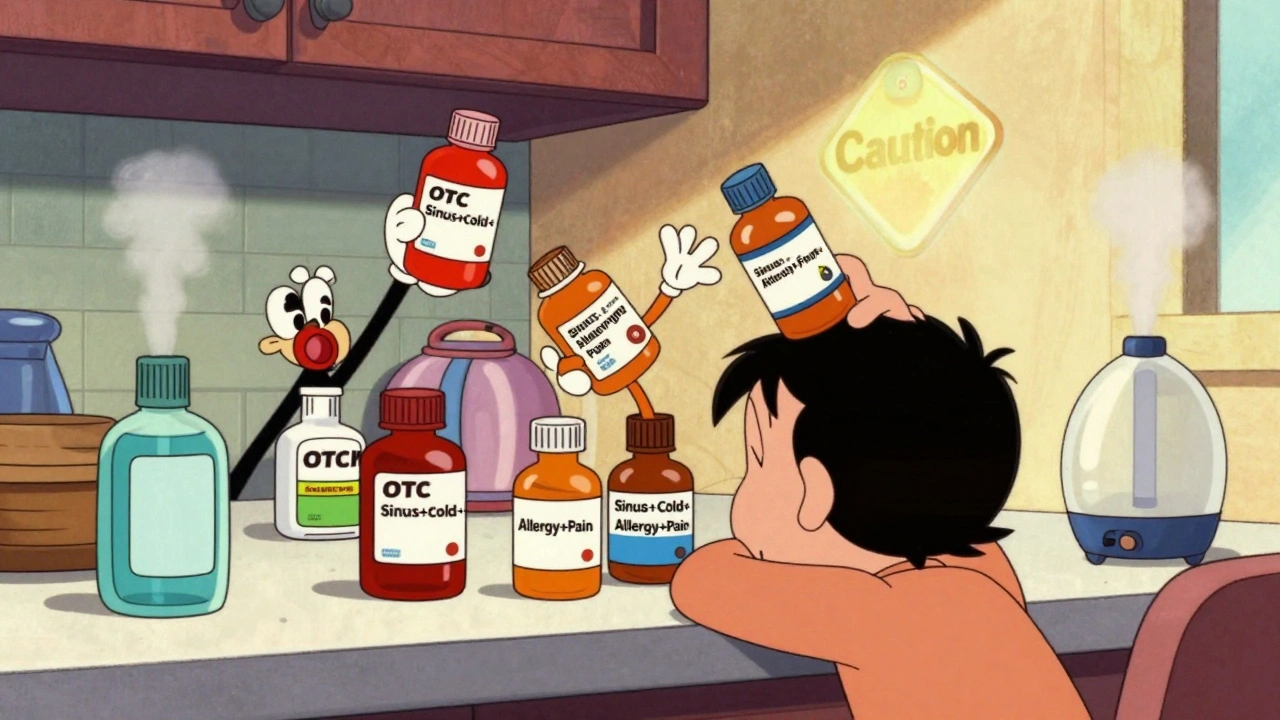
When to See a Doctor
You don’t need to suffer. But you also don’t need to guess. See a doctor if:- Your symptoms last longer than 10-14 days
- You’re using OTC meds more than twice a week
- You have high blood pressure, heart disease, or diabetes
- You’re taking other prescription meds
- You’ve had side effects like blurred vision, trouble peeing, or racing heartbeat
The Bigger Picture
Americans spend $2 billion a year on OTC allergy meds. That’s a lot of money - and a lot of risk. The CDC reports about 10,000 emergency room visits each year because of these drugs. Nearly half involve kids under 12. One-third involve adults over 65. Regulators are catching on. The European Medicines Agency pulled phenylephrine off the shelves in 2022 because it doesn’t work well and carries risks. The FDA now requires stronger warning labels. But the biggest change? It’s not on the bottle - it’s in your head. These aren’t candy. They’re medicine. And like all medicine, they have trade-offs.Bottom Line
Antihistamines and decongestants can help - if used correctly. But too many people treat them like vitamins. They’re not. They’re powerful drugs with real side effects. The safest choice isn’t always the one that gives you the fastest relief. Sometimes, it’s the one that doesn’t hurt you in the long run. If you’re unsure, talk to your doctor. Or your pharmacist. Or even a trusted nurse. A five-minute conversation could save you from a hospital visit - or worse.Can I take antihistamines every day?
Second-generation antihistamines like loratadine, cetirizine, or fexofenadine are generally safe for daily use if you have chronic allergies. But first-generation ones like diphenhydramine should never be used daily - they cause drowsiness, cognitive decline, and increase fall risk, especially in older adults. Always check with your doctor if you’re using them regularly.
Is pseudoephedrine safer than phenylephrine?
Pseudoephedrine works better for congestion and has more consistent evidence behind it. Phenylephrine, which replaced it in many OTC products, has been shown in multiple studies to be barely more effective than a placebo. But both raise blood pressure and carry similar risks for people with heart conditions or hypertension. Neither is truly safe for long-term or frequent use.
Why are decongestants bad for people with high blood pressure?
Decongestants tighten blood vessels to reduce nasal swelling - but they do the same thing everywhere else. This forces your heart to work harder and raises your blood pressure. For someone with uncontrolled hypertension, this can lead to headaches, chest pain, stroke, or heart attack. Even a small increase - 5 to 10 mmHg - can be dangerous. That’s why the Mayo Clinic and NHS both warn against decongestants for people with high blood pressure.
Can I drink alcohol while taking antihistamines?
No. Alcohol makes antihistamines - especially first-gen ones like Benadryl - even more sedating. This can lead to extreme drowsiness, poor coordination, and a much higher risk of falls or accidents. It also increases the chance of confusion and memory problems, especially in older adults. Mixing alcohol with any OTC allergy med is never a good idea.
Are there natural alternatives to allergy meds?
Yes. Saline nasal rinses (like Neti pots) can clear allergens from your nose. Air purifiers and HEPA filters reduce airborne triggers. Intranasal corticosteroids (Flonase, Nasacort) are non-drowsy and safer than decongestants for long-term use. Some people find relief with quercetin or butterbur supplements, but evidence is limited. Always talk to your doctor before trying supplements - they can interact with other meds too.
What should I do if I think I overdosed on an OTC allergy med?
Call Poison Control at 1-800-222-1222 immediately. Overdosing on antihistamines can cause seizures, hallucinations, or a racing heart. Overdosing on decongestants can cause dangerously high blood pressure, stroke, or heart attack. Even if you feel fine, symptoms can appear hours later. Don’t wait. Don’t guess. Call now.