
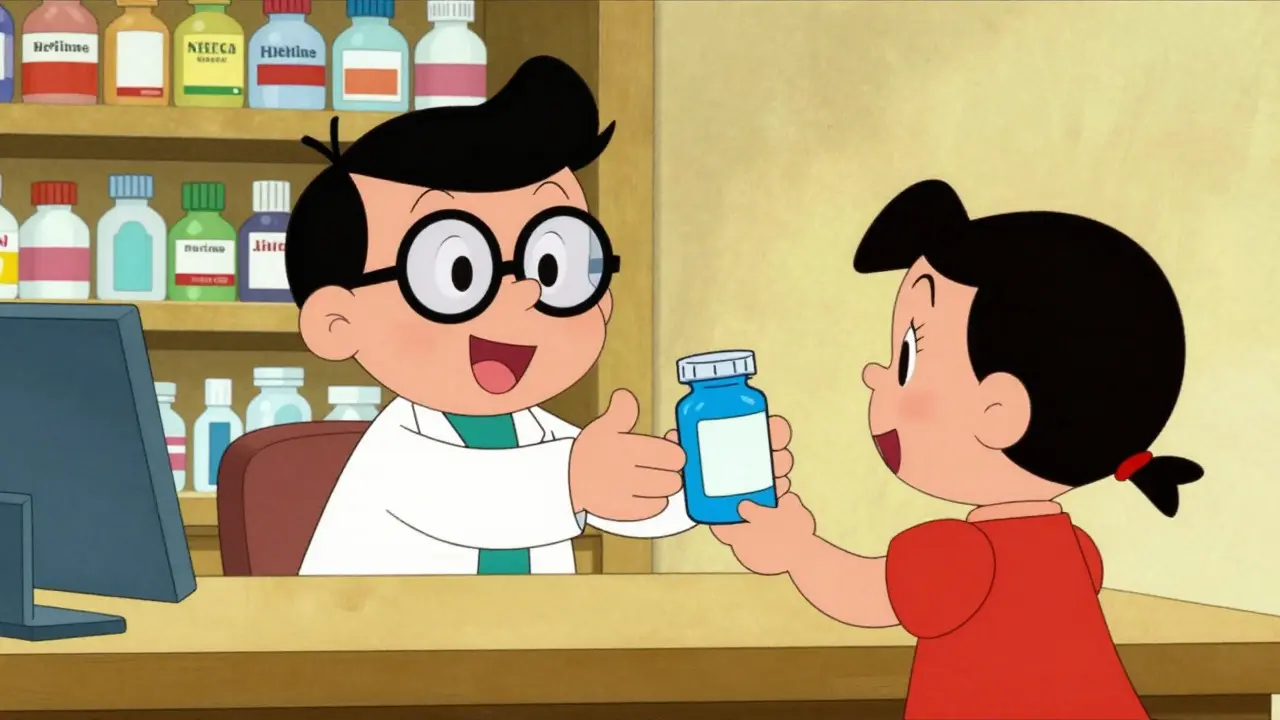
When you pick up a prescription at the pharmacy, there is a very high chance it is not the brand-name drug originally developed by the big pharmaceutical company. In fact, generic drugs make up 9 out of every 10 prescriptions filled in the United States. But how do we know these cheaper alternatives are safe? And why does the government allow them to bypass the massive clinical trials that brand-name drugs undergo? The answer lies in a specific legal framework known as the FDA authorization of generics, which balances public health safety with the economic need for affordable medication.
The Legal Foundation: The Hatch-Waxman Act
To understand how generics get approved, you have to look back to September 24, 1984. That is when Congress passed the Drug Price Competition and Patent Term Restoration Act, commonly called the Hatch-Waxman Act. This law was a compromise designed to solve two problems: getting cheap drugs to market faster while still protecting the intellectual property rights of innovators.
Before this act, generic manufacturers had to prove their drugs were safe and effective from scratch, just like the original brand. This cost billions and took years. The Hatch-Waxman Act created a shortcut. It established Section 505(j) of the Federal Food, Drug, and Cosmetic Act. This section allows generic makers to submit an Abbreviated New Drug Application (ANDA). Instead of repeating expensive human clinical trials, they can rely on the FDA’s previous findings that the reference listed drug (RLD)-the brand-name version-is already safe and effective.
This legal shift did more than just save money; it transformed the U.S. healthcare landscape. By lowering the barrier to entry, the act spurred competition. Today, the Office of Generic Drugs (OGD) within the FDA’s Center for Drug Evaluation and Research (CDER) oversees this rigorous review system, approving hundreds of new generic products annually to keep costs down for patients.
What Makes a Drug "Generic"? The Technical Standards
Just because a drug is "abbreviated" in its application process doesn’t mean the standards are lower. For a generic drug to receive FDA approval, it must be therapeutically equivalent to the brand-name drug. This means it must meet several strict criteria:
- Same Active Ingredient: The chemical compound that treats the condition must be identical.
- Identical Strength and Dosage Form: If the brand is a 10mg tablet, the generic must be a 10mg tablet. You cannot switch a pill for an injection unless specifically approved.
- Same Route of Administration: It must be taken the same way (e.g., orally, topically).
- Same Indications: It must be used to treat the same medical conditions.
- Manufacturing Quality: It must be produced under the same Good Manufacturing Practice (GMP) regulations as the brand-name product.
The only allowed differences are in inactive ingredients, such as fillers, binders, or dyes. These might change the color or shape of the pill, but they should not affect how the drug works in your body. However, if a patient has an allergy to a specific dye used in the generic, this difference matters. That is why pharmacists check for allergies before dispensing.
Bioequivalence: The Cornerstone of Approval
The most critical scientific hurdle for any generic drug is proving bioequivalence. This is not just about having the same ingredients; it is about how those ingredients behave inside the human body.
To demonstrate bioequivalence, generic manufacturers conduct pharmacokinetic studies. Typically, these studies involve 24 to 36 healthy volunteers who take both the brand-name drug and the generic drug. Researchers then measure how much of the active ingredient enters the bloodstream and how fast it gets there.
The FDA requires that the generic drug deliver the same amount of active ingredients into the patient’s bloodstream in the same amount of time as the innovator drug. If the generic absorbs too slowly, it might not work effectively. If it absorbs too quickly, it could cause side effects. The statistical limits are tight, ensuring that the therapeutic effect is virtually indistinguishable from the brand-name counterpart for the vast majority of patients.
| Feature | Brand-Name Drug (NDA) | Generic Drug (ANDA) |
|---|---|---|
| Clinical Trials | Required (Phase I-III) | Not Required (Relies on RLD data) |
| Development Cost | ~$2.6 Billion | $1-5 Million |
| Review Timeline | Often 10+ Years | 8-10 Months (under GDUFA) |
| Patient Impact | High Cost, Innovation | Low Cost, Access |
The ANDA Submission and Review Process
So, what happens after a company decides to make a generic? They submit an ANDA to the FDA. This package includes comprehensive Chemistry, Manufacturing, and Controls (CMC) information, details about the manufacturing facility, proposed labeling, and the crucial bioequivalence data.
The first step is the Filing Review. The FDA’s Division of Filing Review checks if the application is complete enough to warrant a detailed scientific evaluation. If it is missing key data, the agency issues a Refuse-to-Receive (RTR) letter. The applicant must fix the issues and pay a new filing fee before the clock starts ticking.
Once accepted, the application enters the substantive review phase. Under the Generic Drug User Fee Amendments (GDUFA), the FDA has committed to specific performance goals. Standard original ANDAs are reviewed within 10 months of submission. Priority submissions-such as drugs facing shortages or the first generic to challenge a patent-are reviewed within 8 months. This is a significant improvement over the older 180-day timeline set in the original Hatch-Waxman Act, reflecting the increased complexity of modern drug reviews.
Patents, Litigation, and the 30-Month Stay
While the science of generics is straightforward, the legal landscape is complex. The Hatch-Waxman Act includes provisions to protect brand-name patents. When a generic company submits an ANDA, they must certify their relationship to existing patents listed in the FDA’s Orange Book.
If a generic manufacturer believes a patent is invalid or will not be infringed, they file a Paragraph IV certification. This often triggers a lawsuit from the brand-name company. When this happens, the FDA is legally barred from approving the generic drug for 30 months. This "stay period" gives the courts time to resolve the dispute.
This mechanism creates a tension between immediate access and intellectual property protection. While it delays some generics, it also incentivizes innovation by allowing brand companies to recoup research costs. To encourage early challenges, the first generic company to successfully win a Paragraph IV case receives 180 days of market exclusivity, during which no other generics can enter the market.
Complex Generics and Future Challenges
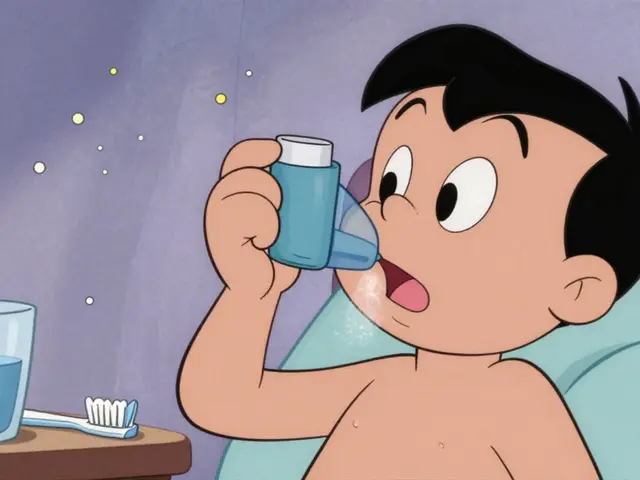
Not all drugs are simple pills. Complex generics, such as inhalers, topical creams, and modified-release formulations, present unique challenges. For these products, standard bioequivalence studies may not be enough. Manufacturers often need to provide additional clinical data to prove that the device or delivery system works identically to the brand.
The FDA acknowledges these difficulties through initiatives like the Complex Generics News program. As the pharmaceutical industry moves toward more sophisticated delivery methods, the regulatory pathway must evolve. Additionally, the rise of biosimilars-generic versions of biological drugs like insulin or monoclonal antibodies-requires a separate legal framework under the Biologics Price Competition and Innovation Act (BPCIA). While similar in spirit to the ANDA pathway, biosimilar approval involves different scientific benchmarks due to the complexity of biological molecules.
Why This Matters for Your Health Wallet
The ultimate goal of the FDA’s generic authorization process is economic accessibility without sacrificing quality. Generic drugs typically cost 80% to 85% less than their brand-name counterparts. This price difference saves the U.S. healthcare system billions of dollars annually.
For patients, this means better adherence to treatment plans. When medications are affordable, people are more likely to take them consistently. The FDA’s Drug Competition Action Plan aims to remove barriers that prevent generics from entering the market, particularly for drugs with limited competition. Recent approvals, such as the first generic naltrexone extended-release injectable suspension for opioid use disorder, highlight how timely generic entry can address public health crises directly.
Understanding the legal basis and approval process behind generics empowers you to trust the medication in your hand. It is not a "cheap copy" in the sense of inferior quality; it is a scientifically validated, legally protected alternative that keeps the healthcare system sustainable.
Is a generic drug exactly the same as the brand name?
Yes, in terms of active ingredients, strength, dosage form, and route of administration. The only differences are usually in inactive ingredients like colors or flavors, which do not affect how the drug works in your body. The FDA requires proof of bioequivalence to ensure the generic delivers the same therapeutic effect.
How long does it take for the FDA to approve a generic drug?
Under current GDUFA agreements, the FDA aims to review standard Abbreviated New Drug Applications (ANDAs) within 10 months. Priority applications, such as those for drugs in shortage, are reviewed within 8 months. This timeline begins after the FDA accepts the application for filing.
What is the Hatch-Waxman Act?
The Hatch-Waxman Act, passed in 1984, is the federal law that created the pathway for generic drug approval. It allows generic manufacturers to rely on the safety and efficacy data of brand-name drugs rather than conducting new clinical trials, significantly reducing costs and time to market.
Why are some generic drugs still expensive?
Most generic drugs are inexpensive because multiple manufacturers compete. However, if only one or two companies produce a generic, or if the drug is complex to manufacture (like certain inhalers), prices may remain higher. Supply chain issues and patent litigation can also limit competition and keep prices up temporarily.
What is an ANDA?
ANDA stands for Abbreviated New Drug Application. It is the type of application submitted to the FDA to seek approval for a generic drug. Unlike a full New Drug Application (NDA) required for brand-name drugs, an ANDA relies on existing data showing that the brand-name drug is safe and effective.
Can I ask my doctor to prescribe the brand name instead of the generic?
Yes, you can request the brand-name drug, but your insurance may require you to pay the higher cost difference. Doctors can also write "Dispense as Written" on the prescription to prevent substitution, though this is rare unless medically necessary.



Categories