

Dry Eye Treatment Pathway Selector
Answer 3 simple questions to receive a personalized recommendation for managing your dry eye symptoms.
1. How would you describe your primary symptoms?
Gritty or Sandy Sensation
Feels like sand is in my eyes. Burning sensation that doesn't go away with blinking.
Fluctuating Vision & Irritation
Vision blurs then clears when I blink. Eyes feel tired after reading or screen use.
2. How long have you had these symptoms?
Occasional / Mild
Intermittent discomfort, usually related to environment (AC, wind).
Persistent / Moderate
Daily discomfort affecting work or sleep. OTC drops provide only temporary relief.
Chronic / Severe
Constant pain, redness, or sensitivity to light. Significant impact on quality of life.
3. What is your preference for treatment administration?
Eye Drops
I am comfortable using standard eye drops twice daily.
Nasal Spray
I prefer avoiding putting anything directly into my eyes.
Environmental / Passive
I prefer lifestyle changes or devices over medication if possible.
Recommended Approach
This combination targets both immediate relief and root causes.
Pro Tip
Your eyes feel gritty, burning, or like they are filled with sand. You blink, but the discomfort doesn't go away. This is not just tiredness; it is a signal that your ocular surface is struggling to stay hydrated. Dry eye disease (DED) affects millions of people worldwide, turning simple tasks like reading or driving into painful challenges. The good news is that you do not have to live with this irritation. Effective management exists, ranging from simple environmental changes to advanced prescription medications.
Managing dry eyes is rarely about finding one magic bullet. It is usually a combination of restoring tear quality, reducing inflammation, and protecting the eye from evaporation. Whether you are dealing with occasional dryness or chronic symptoms, understanding the tools available-from over-the-counter lubricants to powerful immunosuppressants-empowers you to take control of your comfort.
Understanding the Root Cause
Before applying any drop, it helps to know what is going wrong. Dry eye disease is a multifactorial condition. It happens when your tears either do not produce enough fluid (aqueous-deficient) or evaporate too quickly (evaporative). According to the Tear Film & Ocular Surface Society's 2017 report, evaporative dry eye is the most common type, accounting for roughly 86% of cases. This means the problem often lies in the lipid layer-the oily top coat of your tears that prevents moisture from vanishing into the air.
If your tears evaporate too fast, your cornea gets exposed and irritated. This triggers a cycle of inflammation that damages the ocular surface further, leading to more pain and even less tear production. Breaking this cycle requires addressing both the lack of moisture and the underlying inflammation. Ignoring the root cause means you will keep buying temporary fixes that never solve the problem.
The Role of Environmental Control: Humidifiers
Before reaching for expensive prescriptions, look at your environment. Air conditioning, heating systems, and fans strip moisture from the air, accelerating tear evaporation. A simple humidifier can be a game-changer. By adding moisture back into the room, you reduce the gradient that pulls water out of your eyes.
Data from patient communities supports this low-tech approach. In a survey on the Dry Eye Zone forum, 72% of respondents reported significant improvement in nighttime symptoms when using a humidifier set to maintain 40-60% relative humidity. This is especially effective if you work in a climate-controlled office or sleep with a fan. It is a passive treatment that works while you breathe, requiring no effort other than maintenance. Think of it as creating a protective bubble around your eyes, giving your natural tear film a fighting chance against dry air.
Over-the-Counter Artificial Tears
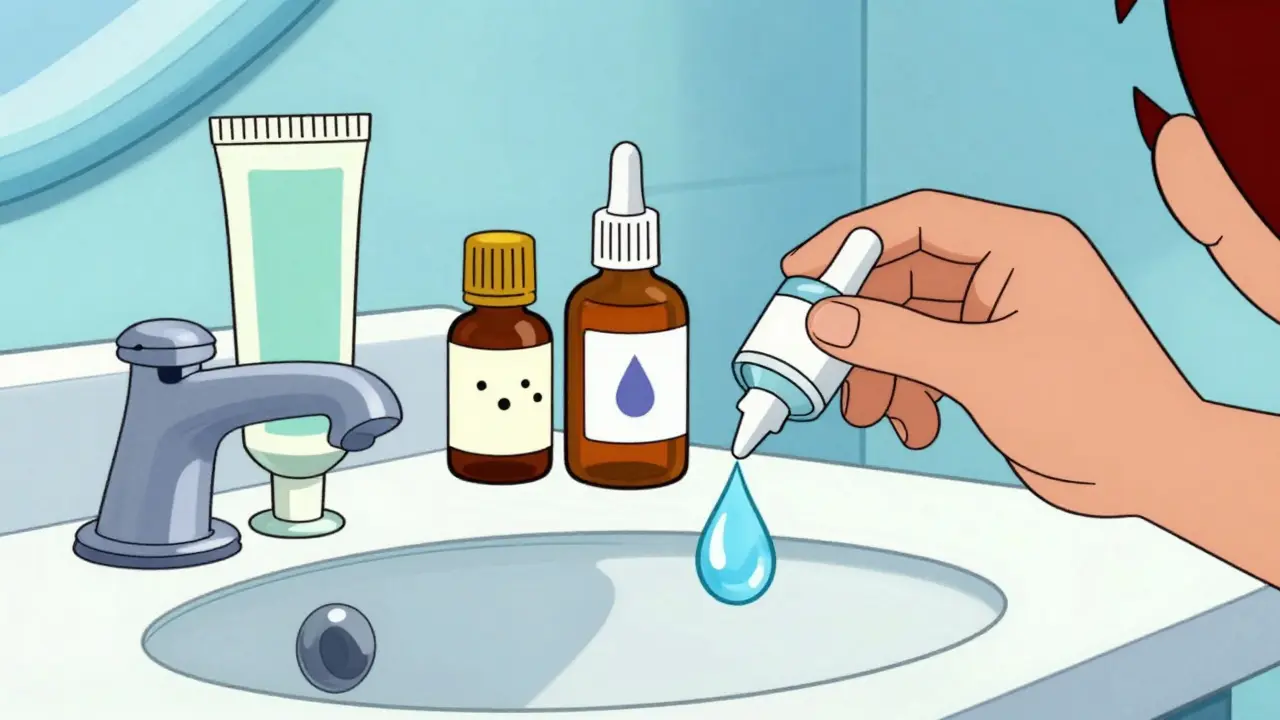
For mild symptoms, artificial tears are the first line of defense. These over-the-counter (OTC) lubricants mimic natural tears to provide immediate relief. They come in various formulations, primarily distinguished by their viscosity (thickness) and ingredients.
Common active ingredients include carboxymethylcellulose, polyethylene glycol, and sodium hyaluronate. Low-viscosity drops, such as Refresh Tears, feel light and clear up vision quickly, making them ideal for use during the day. However, their effect lasts only 1-2 hours. If you need longer-lasting protection, high-viscosity gels or ointments like Refresh Celluvisc can provide relief for 4-6 hours. The trade-off is temporary blurred vision, which makes them better suited for bedtime use. Choose based on your schedule: watery drops for screen time, thicker gels for sleep.
Prescription Medications: Fighting Inflammation
When OTC drops stop working, it usually means inflammation has taken hold. Prescription medications target this inflammation directly, helping your body heal the ocular surface and produce better-quality tears naturally. Here are the major players in the current market.
| Medication Name | Active Ingredient | Mechanism of Action | Onset of Effect | Approximate Cost (30-day) |
|---|---|---|---|---|
| Restasis | Cyclosporine 0.05% | Calcineurin inhibitor; reduces lacrimal gland inflammation | 3-6 months | $150-$250 (generic) |
| Xiidra | Lifitegrast 5% | LFA-1 antagonist; blocks T-cell mediated inflammation | 2 weeks | $450-$550 |
| Miebo | Perfluorohexyloctane 3.5% | Semifluorinated alkane; forms protective barrier to reduce evaporation | Immediate | $650 |
| Tyrvaya | Varenicline 0.03 mg/mL | Nasal spray; stimulates tear production via nicotinic receptors | Variable | $200 |
Restasis and Cyclosporine Generics
Restasis, containing cyclosporine, was a pioneer in treating inflammatory dry eye. It works by suppressing the immune response in the lacrimal glands, allowing them to resume normal tear production. However, it is notorious for its slow onset. Clinical effects typically take 3-6 months to become noticeable. This latency period causes compliance issues; many patients quit because they do not feel better immediately. Additionally, about 17% of users report ocular burning upon instillation. Since generic versions became available in 2020, costs have dropped significantly, making long-term therapy more accessible.
Xiidra: Faster Relief with Irritation
Xiidra offers a faster alternative. Lifitegrast targets a different pathway of inflammation, often providing symptom improvement within two weeks. Users appreciate the quicker results, but the trade-off is tolerability. Approximately 25% of users experience transient stinging or irritation when applying the drops. For those who can tolerate the initial sting, Xiidra provides a robust option for moderate-to-severe cases where speed matters.
Miebo: The Barrier Approach
Miebo, approved in 2023, takes a unique approach. Instead of targeting inflammation internally, it uses perfluorohexyloctane to form a durable, breathable barrier over the ocular surface. This drastically reduces tear evaporation. Clinical trials showed immediate symptom relief, with 1.5 times greater improvement in dryness compared to vehicle controls by day 15. It is exceptionally well-tolerated, with only 0.16% of patients discontinuing due to side effects. However, it comes at a premium price point and currently lacks long-term efficacy data beyond 12 weeks. It also requires removing contact lenses before use and waiting 30 minutes to reinsert them.
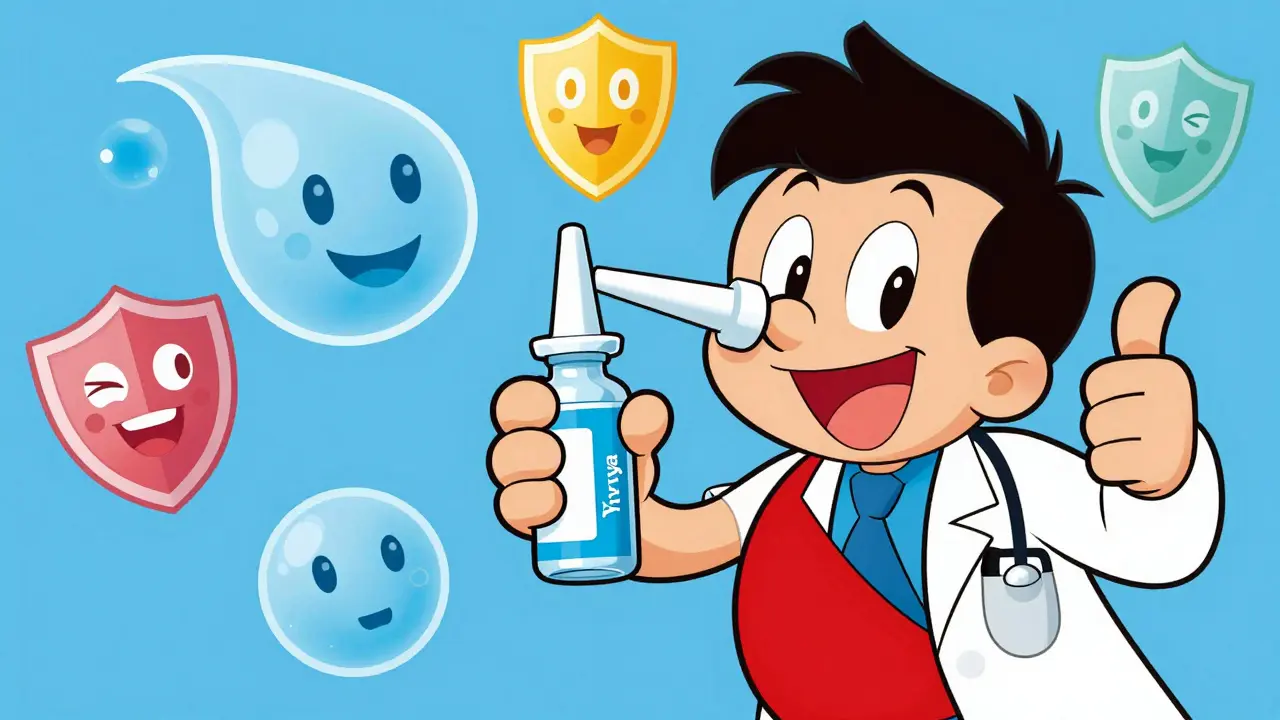
Tyrvaya: A Nasal Alternative
For those who dislike putting drops in their eyes, Tyrvaya offers a novel solution. This nasal spray contains varenicline, which stimulates tear production through nicotinic acetylcholine receptors in the nose. It bypasses the ocular surface entirely, avoiding local irritation. While it does not address evaporative loss directly, it boosts aqueous volume effectively. It is administered twice daily and fits well into a multimodal regimen.
Combining Therapies for Best Results
Relying on a single treatment often falls short. The most successful strategies combine modalities. For example, using a long-term anti-inflammatory like Restasis alongside a rapid-acting lubricant like Miebo addresses both the root cause and immediate symptoms. Patients report that this combination transforms their quality of life, providing steady baseline health with quick rescue relief when needed.
Environmental controls remain foundational. Even with prescription meds, sleeping in a dry room will undermine your progress. Pair your medication routine with a humidifier and regular screen breaks. Blink consciously every 20 seconds when staring at digital devices to spread the lipid layer evenly across your cornea.
Practical Tips for Administration
Getting the most out of your eye drops requires technique. Many new users struggle with instillation, with 45% needing assistance during the first week. Practice pulling down your lower eyelid to create a pocket, then dropping the medication into the pocket rather than directly onto the eyeball. This reduces the "shock" sensation and ensures the drop stays in place.
If burning is an issue, try refrigerating your drops. Cool temperatures numb the surface slightly, reducing irritation for 63% of users according to community surveys. Never touch the tip of the bottle to your eye or lashes to avoid contamination. And remember consistency: skipping doses negates the cumulative benefits of anti-inflammatory drugs.
How long does it take for Restasis to work?
Restasis typically takes 3 to 6 months of consistent twice-daily use to show significant clinical improvement. It works by slowly reducing inflammation in the lacrimal glands, which allows them to recover their ability to produce tears. Patience is key, as early stages may involve minimal symptom relief and potential burning sensations.
Is Miebo safe for contact lens wearers?
You must remove your contact lenses before applying Miebo. After administration, wait at least 30 minutes before reinserting your lenses. This waiting period allows the semifluorinated alkane to form a stable barrier on the ocular surface without interfering with the lens material or causing discomfort.
Can a humidifier cure dry eye disease?
A humidifier cannot cure dry eye disease, but it is a highly effective adjunctive treatment. It manages environmental factors by maintaining optimal relative humidity (40-60%), which reduces tear evaporation. It works best when combined with medical treatments like artificial tears or prescription drops to address both external and internal causes of dryness.
What is the difference between Xiidra and Restasis?
Both treat inflammatory dry eye, but they work differently. Restasis (cyclosporine) inhibits calcineurin and takes months to work, while Xiidra (lifitegrast) blocks LFA-1 antigens and often shows results within two weeks. Xiidra acts faster but may cause more initial stinging, whereas Restasis has a slower onset but a longer track record of long-term safety and efficacy.
Why do my eyes burn when I use eye drops?
Burning can result from the preservatives in some drops, the pH balance of the solution, or the sensitivity of your damaged ocular surface. Refrigerating the drops can help numb the area and reduce this sensation. If burning persists, consult your doctor; you may need preservative-free formulations or a different medication class like Miebo, which has very low rates of adverse events.


Categories