
It is July 2026. If you feel like the world has moved on from the pandemic, you are not alone. But if you have recently woken up with a headache or a sore throat, you might be wondering if it is just a cold or something more serious. The reality is that SARS-CoV-2 is the virus that causes COVID-19, which remains an active respiratory threat requiring ongoing vigilance and updated medical care. It has not disappeared; it has simply changed shape. Understanding what is circulating right now, how to protect yourself, and what to do if you get sick is no longer about panic-it is about practical health management.
The landscape of infectious diseases has shifted dramatically since 2020. We are no longer fighting the original strain or even the early Omicron versions. Today, we are dealing with highly evolved subvariants that spread faster but often cause milder illness for most people. However, "milder" does not mean "harmless," especially for vulnerable populations. This guide breaks down exactly what you need to know about the current strains, the latest vaccine science, and how to manage symptoms effectively in 2026.
Key Takeaways
- Dominant Variant: As of mid-2026, the XFG (Stratus) variant and its sublineages remain the primary circulating strains, characterized by rapid transmission and flu-like symptoms.
- Vaccine Strategy: Annual vaccination is now the standard recommendation for everyone aged 6 months and older, similar to the seasonal flu shot.
- Symptom Recognition: Watch for congestion, cough, fever, and a distinctive "stabbing" sore throat, which can indicate specific subvariants like Nimbus.
- Treatment Focus: Early intervention with antivirals and supportive care significantly reduces the risk of hospitalization and long-term complications.
- Long COVID Reality: Approximately 20% of patients report persistent symptoms years after infection, making prevention critical for long-term health.
Current Variants: What Is Circulating in 2026?
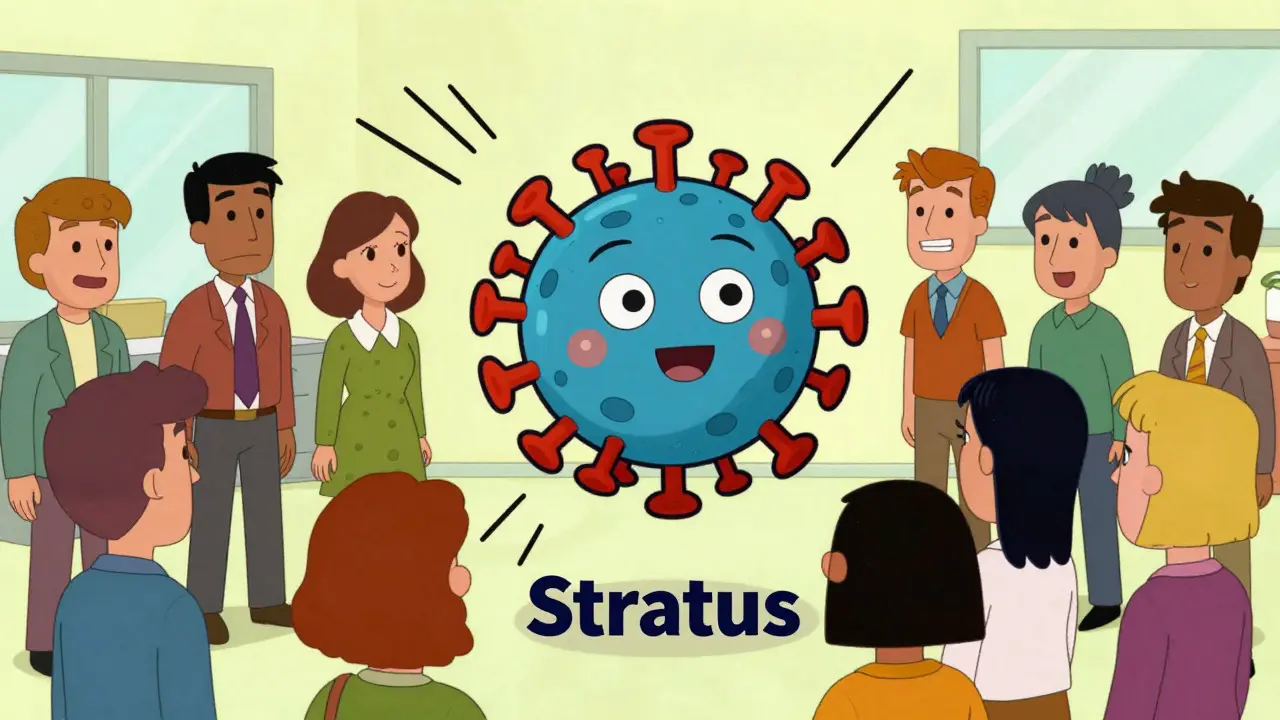
To understand your risk, you first need to know who you are up against. The virus evolves through mutations, creating new variants that can evade immunity or spread more easily. In late 2025 and into 2026, the dominant player is the XFG variant, also known as Stratus. According to data from Nebraska Medicine and Ohio State University Health, this lineage accounts for the vast majority of cases nationwide. It is highly transmissible, meaning it spreads quickly through households, offices, and public spaces.
But Stratus is not acting alone. You may also encounter sublineages like NB.1.8.1 and NW.1. These are essentially cousins of Stratus, sharing many genetic traits but with slight differences that affect how they interact with our immune systems. Another notable mention is the Nimbus variant, which has been flagged by experts at Stony Brook Medicine for a specific symptom profile: a sharp, stabbing sore throat. If you experience this particular pain, it is worth taking seriously, as it distinguishes itself from common viral pharyngitis.
| Variant Name | Prevalence (Mid-2026) | Key Symptoms | Severity Profile |
|---|---|---|---|
| XFG (Stratus) | ~85% | Congestion, cough, fever, muscle aches | Moderate; high transmission |
| NB.1.8.1 | ~7% | Headache, fatigue, mild respiratory issues | Mild to Moderate |
| NW.1 | ~3% | Gastrointestinal upset, low-grade fever | Mild |
| Nimbus | <1% (Emerging) | Sharp/stabbing sore throat, congestion | Mild; distinct symptom profile |
Why does this matter? Because knowing the dominant variant helps you anticipate symptoms. Dr. James Bigham from the University of Wisconsin notes that Stratus presents with classic Omicron-era symptoms: cough, congestion, fevers, and GI issues. It is not necessarily more severe than previous waves, but its sheer volume of cases keeps hospitals busy. William Schaffner, MD, from Vanderbilt University, points out that while these newer Omicron descendants produce milder illness for many, they still send people to the hospital, particularly those who are unvaccinated or immunocompromised.
Understanding Symptoms: More Than Just a Cold
One of the biggest challenges in 2026 is distinguishing COVID-19 from influenza, RSV, or a common cold. The overlap is significant. Most people infected with Stratus or its subvariants will experience symptoms within 2 to 4 days of exposure. The average recovery time is 5 to 10 days for healthy adults, but this can extend to weeks for others.
Here is what to look for:
- Respiratory Issues: Persistent coughing, shortness of breath, and nasal congestion are the most common complaints. Unlike a simple cold, these symptoms often linger and worsen slightly before improving.
- Systemic Symptoms: Fever, chills, and body aches are frequent. Many patients describe a feeling of being "hit by a truck," even if their fever is low-grade.
- Neurological Signs: Headaches and brain fog are prevalent. Some individuals report a temporary loss of smell or taste, though this is less common now than in 2020.
- Gastrointestinal Distress: Nausea, vomiting, or diarrhea can occur, particularly with certain sublineages like NW.1.
- The "Stabbing" Throat: If you suspect Nimbus, pay attention to your throat. A sharp, localized pain that feels different from typical inflammation is a red flag to test immediately.
If you have these symptoms, assume you are contagious until proven otherwise. Isolate from household members if possible, wear a mask around others, and take a rapid antigen test. Remember, a negative test early in the course of illness does not rule out infection. Retest 48 hours later if symptoms persist.
Vaccines in 2026: The New Normal
The conversation around vaccines has shifted from "should I get one?" to "when should I get the next one?" By 2026, annual COVID-19 vaccination has become the standard of care, much like the seasonal flu shot. The CDC recommends that everyone aged 6 months and older receive an updated vaccine annually.
The science behind these updates is precise. The 2024-2025 vaccines were designed to target KP.2 (for Pfizer and Moderna) and JN.1 (for Novavax). For the 2025-2026 season, manufacturers formulated shots based on variants dominant in the spring and summer of 2025. The FDA authorized these new formulas in May 2025 after rigorous review by health advisors. The goal is not necessarily to prevent infection entirely-virus breakthroughs happen-but to prevent severe disease, hospitalization, and death.
Research from Ohio State University Health shows that vaccines maintain their highest effectiveness during the first three months after administration. After that, protection wanes, which is why timing matters. Experts like Dr. William Schaffner recommend getting vaccinated in early fall, before the winter surge begins. This ensures peak immunity when community transmission is highest.
Which vaccine should you choose? All three major options-Pfizer-BioNTech, Moderna, and Novavax-are effective. Pfizer and Moderna use mRNA technology, which targets KP.2. Novavax uses a protein-based approach targeting JN.1 but has shown broad cross-neutralizing antibodies against multiple strains, including KP.2 and KP.3. If you have concerns about mRNA technology, Novavax offers a viable alternative with comparable safety profiles. User reviews from Healthgrades indicate that 87% of recipients reported mild or no side effects, with fatigue and arm soreness being the most common minor reactions.
Treatment Options: Acting Fast Saves Lives
If you test positive, do not wait. Early treatment is crucial. While most people recover at home with rest and fluids, high-risk individuals benefit significantly from antiviral medications. Drugs like Paxlovid (nirmatrelvir/ritonavir) must be started within five days of symptom onset to reduce the risk of hospitalization by up to 90%. Molnupiravir is another option for those who cannot take Paxlovid.
For severe cases, monoclonal antibodies have evolved. In June 2025, the FDA approved clesrovimab, originally for RSV prevention, highlighting the broader advancements in antibody therapies. While specific COVID-19 monoclonal antibodies vary based on the circulating variant, your doctor can determine if you are eligible for infusion therapy if your oxygen levels drop or if you have underlying conditions like diabetes, heart disease, or obesity.
Supportive care remains the backbone of treatment for mild cases:
- Hydration: Drink plenty of water, electrolyte solutions, or broth to prevent dehydration from fever or sweating.
- Fever Management: Use acetaminophen or ibuprofen to control fever and reduce body aches. Follow dosage instructions carefully.
- Rest: Your body needs energy to fight the virus. Avoid physical exertion until you are fully recovered.
- Oxygen Monitoring: If you have a pulse oximeter, check your oxygen saturation regularly. Seek emergency care if it drops below 92%.
Long COVID: The Hidden Challenge
Perhaps the most concerning aspect of SARS-CoV-2 is its potential for long-term effects. A meta-analysis published in the Journal of Medical Virology in June 2025 revealed that 20% of patients report persistent symptoms three years after infection. This condition, known as Long COVID or Post-Acute Sequelae of SARS-CoV-2 Infection (PASC), affects millions of people worldwide.
Common long-term symptoms include:
- Persistent fatigue that interferes with daily activities
- Shortness of breath during minimal exertion
- Cognitive difficulties, often described as "brain fog"
- Insomnia and sleep disturbances
- Anxiety and depression related to chronic illness
Hospitalized patients face a higher risk of mortality and severe long-term complications compared to those who had mild cases. This underscores the importance of prevention. Vaccination significantly reduces the risk of developing Long COVID. If you are already experiencing these symptoms, seek specialized care. Many hospitals now have dedicated Long COVID clinics that offer multidisciplinary support, including pulmonary rehabilitation, physical therapy, and mental health counseling.

Prevention Strategies Beyond Vaccines
Vaccines are your best defense, but they are not the only tool. In 2026, layered protection strategies are still relevant, especially during surges. Dr. Mark Rupp from Nebraska Medicine advises people to "continue to be careful" and suggests wearing masks in high-risk settings if avoidance is impossible.
Consider these additional measures:
- Air Quality: Improve ventilation in your home and office. Open windows when possible, or use HEPA filters to reduce airborne virus particles.
- Masking: Wear a well-fitting N95 or KN95 mask in crowded indoor spaces, particularly during peak transmission seasons.
- Hand Hygiene: Wash your hands frequently with soap and water for at least 20 seconds, or use an alcohol-based hand sanitizer.
- Stay Home When Sick: If you have symptoms, isolate until you are fever-free for 24 hours without medication and your symptoms are improving.
Community support plays a role too. Platforms like Nextdoor have seen a rise in neighborhood assistance groups, helping vulnerable residents access vaccines and supplies. Don't hesitate to ask for help or offer it to others. Collective action reduces community transmission rates.
FAQ
Is the Stratus variant more dangerous than previous ones?
Not necessarily in terms of severity for individual patients, but it is more dangerous due to its high transmissibility. Stratus spreads faster than earlier variants, leading to more total cases. While the illness is often milder for vaccinated individuals, the sheer volume of infections can overwhelm healthcare systems and increase the absolute number of severe cases among the unvaccinated or immunocompromised.
How often should I get a COVID-19 vaccine in 2026?
The CDC recommends annual vaccination for everyone aged 6 months and older. Think of it like the flu shot. Timing is key: aim to get vaccinated in early fall before winter surges begin. If you recently had COVID-19, wait at least 3 months after symptom onset or your positive test date before receiving the next dose to allow your immune system to respond optimally.
What are the signs of Long COVID?
Long COVID symptoms can vary widely but commonly include persistent fatigue, shortness of breath, cognitive issues (brain fog), insomnia, and anxiety. These symptoms last for more than 12 weeks after the initial infection. If you experience any of these, consult a healthcare provider for evaluation and management, as early intervention can improve quality of life.
Can I still get COVID-19 if I am vaccinated?
Yes, breakthrough infections can occur, especially with highly transmissible variants like Stratus. However, vaccination significantly reduces the risk of severe disease, hospitalization, and death. Most vaccinated individuals who get infected experience mild, cold-like symptoms and recover quickly, whereas unvaccinated individuals face a much higher risk of complications.
Which vaccine is best: Pfizer, Moderna, or Novavax?
All three are safe and effective. Pfizer and Moderna use mRNA technology and target the KP.2 variant. Novavax uses a protein-based platform targeting JN.1 but offers broad protection against multiple strains. Choose based on availability and personal preference. If you prefer non-mRNA options, Novavax is a strong alternative. Consult your doctor if you have specific health concerns or allergies.
When should I take antivirals like Paxlovid?
Antivirals like Paxlovid are most effective when started within five days of symptom onset. Contact your healthcare provider immediately after testing positive, especially if you are over 65 or have underlying health conditions. Early treatment can reduce the risk of hospitalization by up to 90%, so do not wait for symptoms to worsen.
Next Steps and Troubleshooting
If you are currently symptomatic, prioritize isolation and hydration. Monitor your oxygen levels if you have a pulse oximeter. If you are struggling to breathe, have chest pain, or have confusion, seek emergency care immediately. For mild cases, rest and over-the-counter medications are usually sufficient.
If you are planning ahead, schedule your annual vaccine appointment now. Check with your local pharmacy or clinic for availability of Pfizer, Moderna, or Novavax. Keep a supply of rapid antigen tests at home for quick screening. And remember, staying informed is part of staying safe. Follow reliable sources like the CDC or your local health department for the latest guidance on variants and recommendations.