
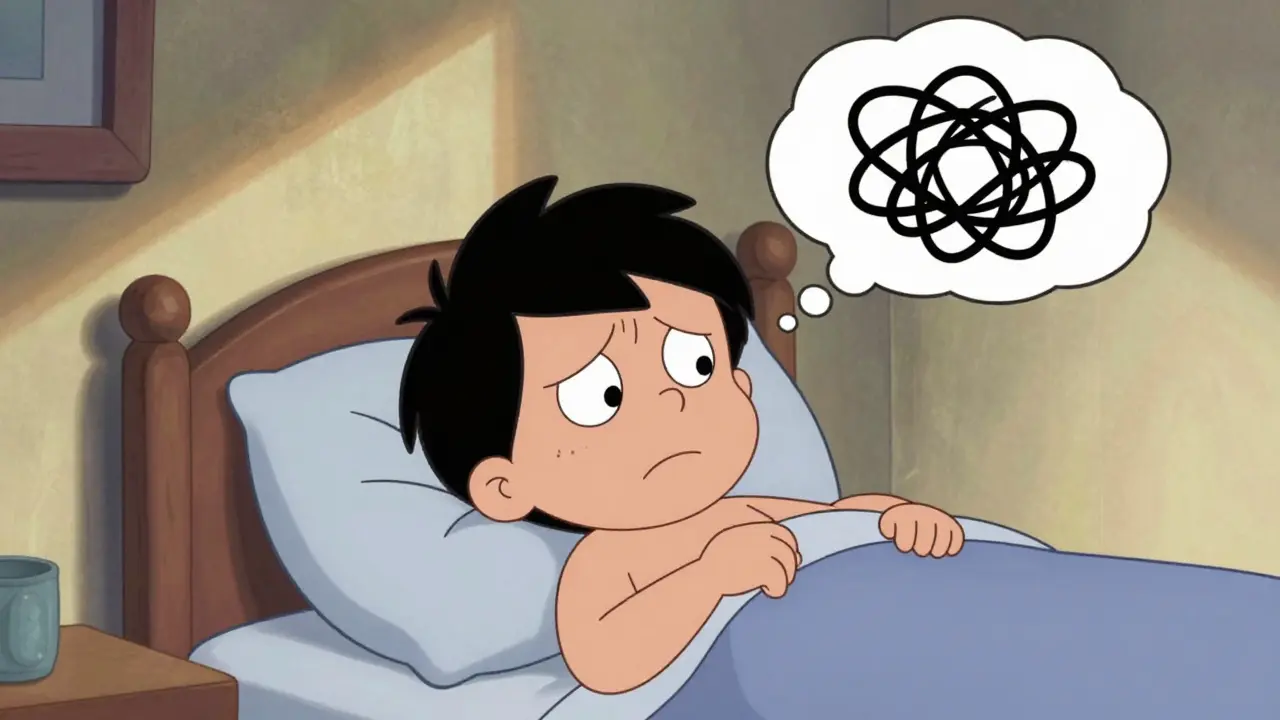
Imagine waking up every morning not knowing if your body will cooperate today. For the 50 million Americans living with chronic pain, defined as persistent discomfort lasting longer than three months, this is a daily reality. It’s not just about hurting; it’s about the fear that movement might make it worse, the exhaustion from poor sleep, and the isolation when friends stop inviting you out because "you never go anywhere anymore." The old way of handling this-just taking stronger pills until they worked or caused side effects-is gone. In fact, it’s dangerous.
The landscape of pain care has shifted dramatically. If you’re looking for a quick fix or a magic pill, you won’t find one here. But you will find a roadmap based on the latest science from the World Health Organization (WHO) and the Centers for Disease Control and Prevention (CDC). The goal isn't necessarily to eliminate pain entirely-that’s often impossible. The real goal is to reclaim your life, your function, and your joy despite the pain. This guide breaks down how to do exactly that using evidence-based strategies that actually work.
Rethinking What Pain Actually Is
To manage chronic pain, you first have to understand what it is. Most people think of pain as a direct signal of tissue damage: "It hurts, so I’m broken." But in chronic pain, that connection breaks down. Your nervous system becomes hypersensitive, like a smoke alarm that goes off when you burn toast, not just when there’s a fire.
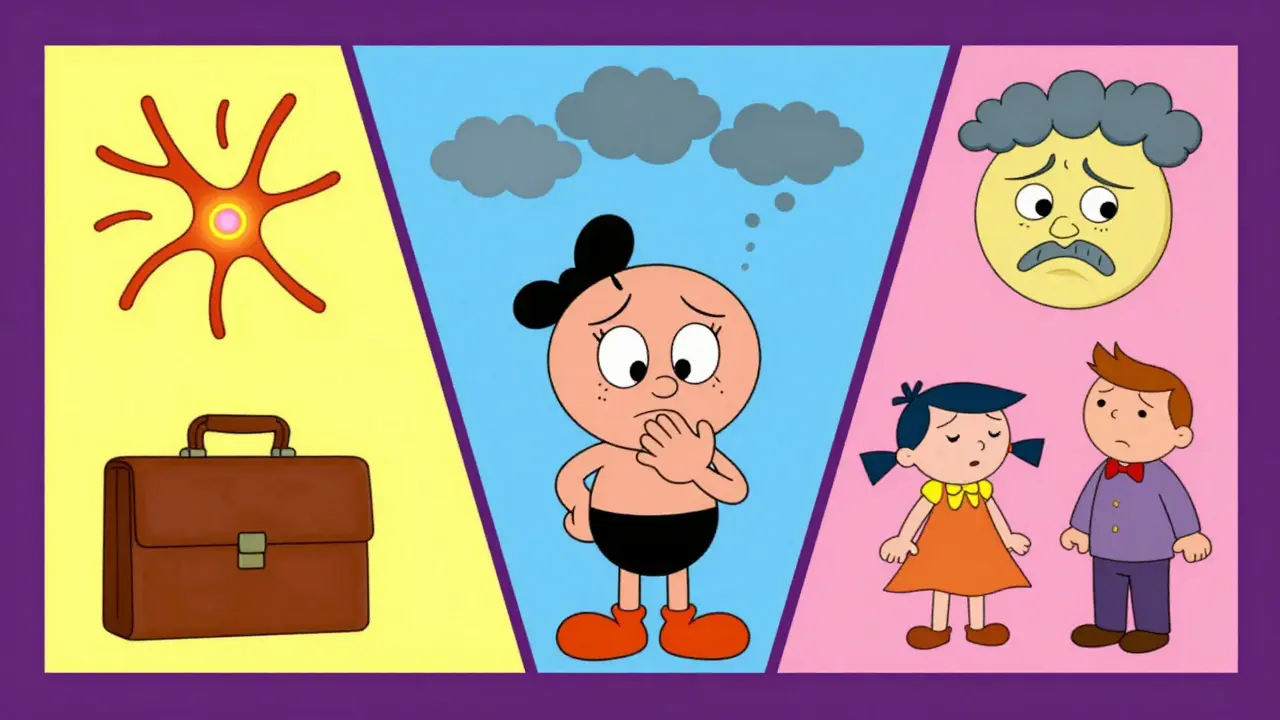
This is why doctors now use the biopsychosocial model, which views pain as a complex interaction between biological factors, psychological state, and social environment. Dr. Sean Mackey, Chief of Pain Medicine at Stanford University, emphasizes that effective management requires addressing all three dimensions simultaneously. You can’t just treat the back; you have to treat the anxiety, the stress, and the lifestyle that surrounds the back.
- Biological: Nerve sensitivity, inflammation, and muscle tension.
- Psychological: Stress, catastrophizing (focusing on worst-case scenarios), and mood.
- Social: Work demands, support systems, and financial stress.
Understanding this shift is crucial. It means that feeling stressed doesn't just make you feel bad emotionally; it literally amplifies the pain signals in your brain. Conversely, calming your mind can physically lower pain intensity. This isn't "it's all in your head"; it's "your head controls the volume knob of your pain."
Why Medication Alone Isn't the Answer
For decades, opioids were the go-to solution. Today, the medical consensus has changed completely. The 2022 CDC Clinical Practice Guideline for Prescribing Opioids for Pain makes it clear: opioids are not first-line treatment for chronic pain. Why? Because while they may reduce pain scores slightly in the short term, they don’t improve function, and they carry significant risks.
Data shows that after six months, opioids provide only 10-15% additional pain reduction compared to other methods, but the risk of overdose increases by 40% for doses above 50 morphine milligram equivalents (MME) per day. Furthermore, long-term opioid use can lead to hyperalgesia-a condition where the nerves become *more* sensitive to pain because of the medication itself.
This doesn’t mean you should never take medication. Non-opioid options remain vital tools in your kit. However, they are meant to support activity, not replace it.
| Treatment Type | Primary Benefit | Key Limitations | Evidence Strength |
|---|---|---|---|
| NSAIDs (Ibuprofen, Naproxen) | Reduces inflammation and acute flare-ups | Gastrointestinal issues, kidney strain with long-term use | Strong for inflammatory conditions |
| Duloxetine/Pregabalin | Calms nerve signaling (neuropathic pain) | Drowsiness, weight gain, dry mouth | Moderate to Strong |
| Opioids | Short-term pain masking | Addiction risk, tolerance, no functional improvement | Limited for chronic use |
| Cognitive Behavioral Therapy | Changes pain perception and coping skills | Requires time and active participation | Strong for long-term function |
If you are currently on opioids, do not stop abruptly. Work with your doctor to create a slow tapering plan. The VA Pain Management Pocket Guide documents cases where patients reduced their dose from 120 MME/day to 30 MME/day while actually functioning better, thanks to complementary therapies.
Moving Through Pain: Exercise as Medicine
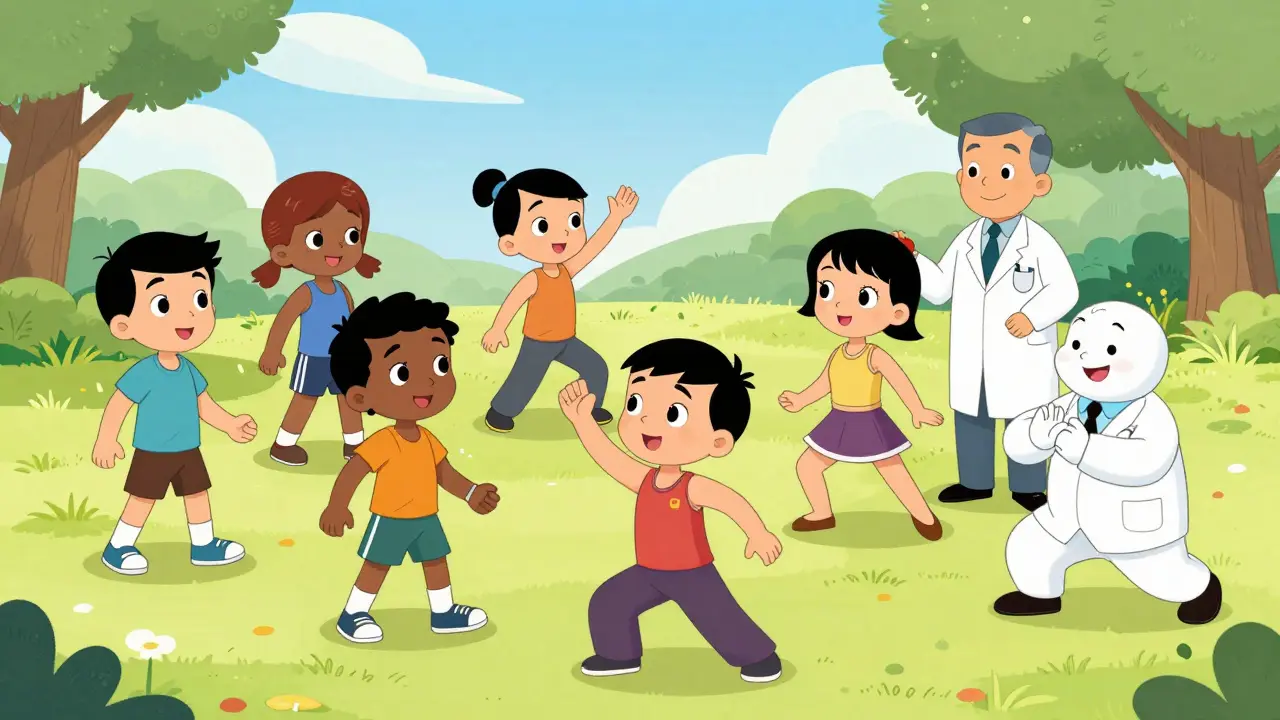
The phrase "exercise is medicine" sounds cliché, but for chronic pain, it is the most potent tool available. The WHO’s 2023 guidelines strongly recommend structured exercise programs as a first-line treatment. The fear of movement (kinesiophobia) is common, but staying still leads to muscle weakness, which puts more strain on joints and nerves, creating a vicious cycle.
You don’t need to run marathons. Effective programs are tailored to your current capabilities. According to the Northwest PA Injury Guidance, successful programs include:
- Aerobic exercise: Walking, swimming, or stationary cycling to boost endorphins and blood flow.
- Resistance training: Light weights or bands to strengthen supporting muscles.
- Mind-body practices: Tai chi and yoga, which combine gentle movement with breath control.
Studies show that consistent exercise over 6-12 weeks can reduce pain by 15-30% and improve physical function by 20-40%. Start small. If walking 10 minutes hurts, walk 5 minutes twice a day. The key is consistency, not intensity. Gradually, your nervous system learns that movement is safe, turning down the pain volume.
Retraining Your Brain: Cognitive Behavioral Therapy
If exercise treats the body, Cognitive Behavioral Therapy (CBT) treats the brain’s response to pain. CBT is not about positive thinking or ignoring your pain. It’s about identifying and changing unhelpful thought patterns that amplify suffering.
For example, if you feel a twinge of pain and immediately think, "This is going to last forever and I’ll never get better," your body reacts with stress hormones that tighten muscles and increase pain sensitivity. CBT helps you reframe this to, "This is a flare-up. It’s uncomfortable, but I have tools to manage it, and it will pass."
Standard CBT protocols involve 8-12 weekly sessions of 50-90 minutes. Research cited in NCBI guidelines shows CBT can reduce pain intensity by 25-40% and disability by 30%. It teaches practical skills like pacing activities, relaxation techniques, and problem-solving. Many patients report that CBT gave them back a sense of control, which is often the first thing stolen by chronic pain.
The Gold Standard: Multidisciplinary Rehabilitation
For complex cases, combining these approaches yields the best results. This is called multidisciplinary rehabilitation. Programs like those at the Mayo Clinic Pain Rehabilitation Center bring together physicians, psychologists, physical therapists, and occupational therapists under one roof.
These intensive programs typically last three weeks and focus on functional restoration rather than pain elimination. Outcomes are impressive: 60-75% of participants achieve significant functional improvement, and 50-65% reduce or eliminate opioid use. They learn biofeedback, stress management, and activity moderation.
However, access is a major barrier. Only 15-20% of eligible patients can reach these specialized centers due to cost ($15,000-$20,000 per patient) and geography. If you can’t access an in-person program, look for virtual multidisciplinary options or build your own team locally: a primary care doctor, a physical therapist, and a therapist trained in pain psychology.
Navigating the Healthcare System
Finding the right care is often the hardest part. Surveys indicate that 68% of chronic pain patients struggle to find providers trained in evidence-based non-pharmacological approaches. Many primary care doctors, overwhelmed by administrative burdens and lacking specialized training, may default to prescribing medications or referring for surgery without exploring conservative options.
Here’s how to advocate for yourself:
- Prepare for appointments: Use tools like the Brief Pain Inventory (BPI) to track your pain levels, triggers, and impact on sleep/function before seeing your doctor.
- Ask specific questions: Instead of "What can you give me for pain?" ask, "Do you offer referrals for physical therapy or cognitive behavioral therapy for pain?"
- Check insurance coverage: Medicare expanded coverage for non-pharmacological approaches in 2023. Check if your plan covers CBT or acupuncture.
- Seek specialists if needed: Look for board-certified pain medicine physicians who follow the biopsychosocial model. Resources like the American Chronic Pain Association (ACPA) directory can help.
Don’t be afraid to seek a second opinion. If a provider dismisses your pain or only offers opioids, find someone else. You deserve comprehensive care.
Looking Ahead: New Horizons in Pain Care
The future of chronic pain management is brightening. The NIH HEAL Initiative has invested $1.8 billion into developing non-addictive treatments. We’re seeing the rise of digital therapeutics-FDA-cleared apps and devices that deliver CBT or neuromodulation directly to patients. Wearable devices like Nevro’s Senza are showing 30-40% pain reduction in clinical trials by targeting specific nerves.
While technology advances, the core principles remain human-centered. Pain is a signal, but it doesn’t have to be a sentence. By combining movement, mental resilience, smart medication use, and strong social support, you can rewrite your relationship with pain. It’s a journey, not a destination, but millions have walked this path and found a way forward. You can too.
Is chronic pain curable?
For many conditions, chronic pain cannot be completely cured in the sense of eliminating the sensation forever. However, it is highly manageable. The goal of modern treatment is functional restoration-helping you live a full, active life despite the presence of pain. Many patients achieve significant pain reduction and improved quality of life through multidisciplinary approaches.
Are opioids ever appropriate for chronic pain?
Opioids are generally reserved for cases where non-opioid treatments have failed and the benefits clearly outweigh the risks. They are initiated at the lowest effective dose and monitored closely. Due to risks of dependence, overdose, and diminishing returns over time, they are no longer considered a first-line treatment for chronic non-cancer pain according to CDC guidelines.
How does exercise help if it hurts to move?
Exercise helps by desensitizing the nervous system and strengthening supporting muscles. It should be started gently and progressively. While some discomfort during a flare-up is normal, sharp or worsening pain is a sign to modify the activity. Physical therapists can design programs that respect your limits while gradually expanding them, breaking the cycle of fear and avoidance.
What is the biopsychosocial model of pain?
The biopsychosocial model recognizes that pain is influenced by biological factors (like nerve damage), psychological factors (like stress and mood), and social factors (like work and relationships). Treating only the physical aspect is often ineffective. Comprehensive care addresses all three dimensions to reduce pain intensity and improve coping abilities.
Can insurance cover non-drug pain treatments?
Coverage varies by plan, but trends are improving. Medicare expanded coverage for certain non-pharmacological treatments in 2023. Many private insurers now cover physical therapy, cognitive behavioral therapy, and sometimes acupuncture for chronic pain. It’s important to check your specific policy and advocate for coverage by citing clinical guidelines that support these treatments.


Categories