Tendon Rupture Risk Calculator
Assess Your Risk
This tool helps you understand your risk factors for tendon rupture while taking fluoroquinolone antibiotics. Based on age, medical conditions, and medication use.
Risk Assessment
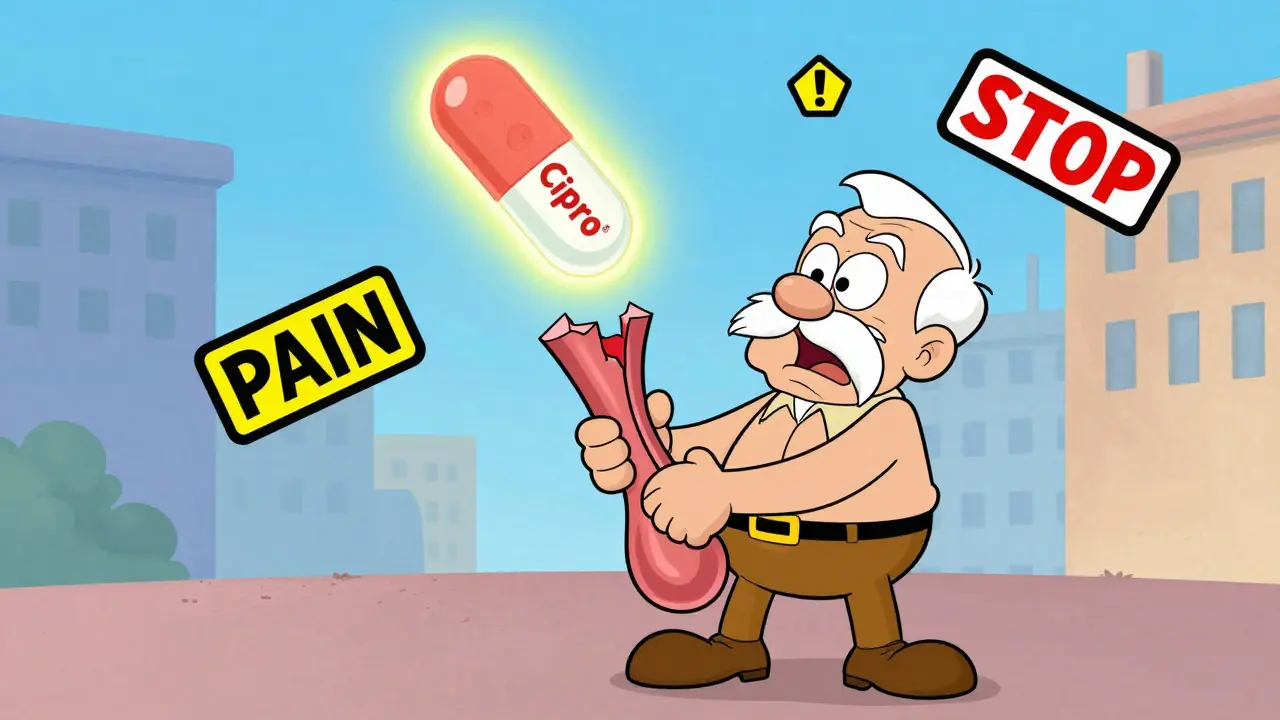
When you take an antibiotic to fight a bad infection, you expect it to help - not hurt. But for some people, a common class of antibiotics called fluoroquinolones can trigger a dangerous side effect: tendon rupture. It’s rare, but when it happens, it can be sudden, disabling, and sometimes permanent. The Achilles tendon - the thick band connecting your calf to your heel - is the most common site. And it doesn’t always wait until you finish the course. Symptoms can show up within days, or even months after you stop taking the drug.
Why Fluoroquinolones Are Different
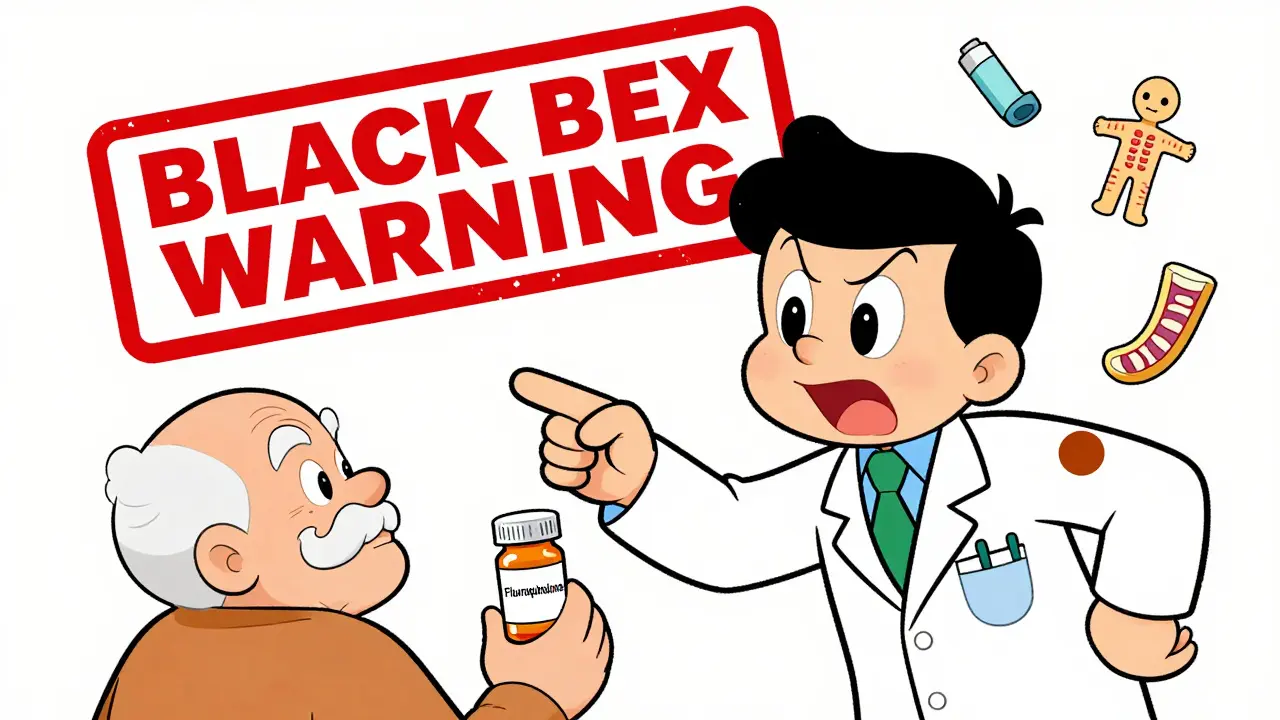
Fluoroquinolones aren’t your typical antibiotics. They’re powerful, synthetic drugs first developed in the 1960s, and for decades, they were prescribed freely for everything from sinus infections to urinary tract infections. Drugs like ciprofloxacin (Cipro), levofloxacin (Levaquin), and moxifloxacin (Avelox) became go-to choices because they work against a wide range of bacteria. But over time, doctors started noticing a pattern: patients on these drugs were showing up with severe tendon pain, swelling, and sometimes, sudden, painful ruptures.The U.S. Food and Drug Administration (FDA) didn’t ignore this. In 2008, they added a black-box warning - the strongest possible alert - to fluoroquinolone labels. It said clearly: these drugs can cause tendinitis and tendon rupture. The warning got even stronger in 2013 and again in 2018. The European Medicines Agency (EMA) and the UK’s MHRA followed suit. Today, guidelines from the Infectious Diseases Society of America (IDSA) say fluoroquinolones should be used only when no other antibiotic will work. They’re no longer first-line.
Who’s at Highest Risk?
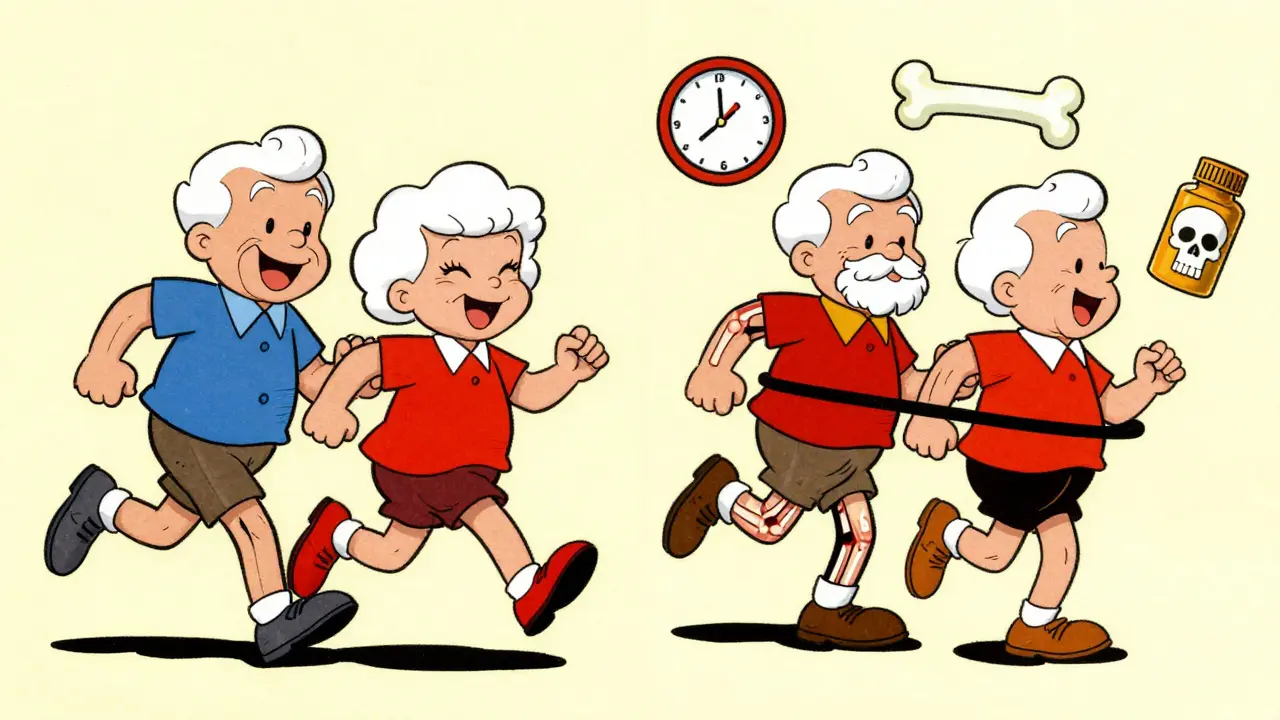
Not everyone who takes a fluoroquinolone will have a problem. But certain people are far more likely to. The biggest risk factor? Age. People over 60 are six times more likely to suffer a rupture. For those over 80, the risk jumps to more than 20 times higher. Why? Tendons naturally weaken with age, and the drug seems to accelerate that breakdown.Another major red flag: corticosteroids. If you’re taking prednisone or another steroid - whether by mouth, injection, or inhaler - and you also take a fluoroquinolone, your risk of tendon rupture increases by 46 times. That’s not a typo. It’s one of the strongest drug interactions known in medicine. Many doctors now refuse to prescribe fluoroquinolones to patients on steroids, even for serious infections.
Other high-risk groups include people with kidney disease, diabetes, or a history of tendon problems. Organ transplant recipients are also at increased risk, likely due to a combination of immunosuppressants and reduced tendon healing ability. Women appear to have a slightly higher rate of reported tendon issues than men, though the reason isn’t fully understood.
How It Happens - The Science Behind the Damage
It’s not just an accident. Fluoroquinolones interfere with how tendons repair themselves. These drugs can trigger cell death in tendon tissue, disrupt energy production in mitochondria (the cell’s power plants), and block important signaling pathways that keep tendons strong. They also pull calcium and magnesium out of tissues - minerals that are essential for tendon structure and function.The Achilles tendon is hit hardest because it’s under constant stress. It’s the body’s strongest tendon, but it also has poor blood supply, which makes healing harder. Studies show that nearly 90% of fluoroquinolone-related tendon ruptures happen in the Achilles. About half of those cases involve both tendons - meaning if one side hurts, the other is likely in danger too.
Levofloxacin and ciprofloxacin are the most common culprits, accounting for nearly 90% of reported cases. Moxifloxacin is less common but still carries risk. The median time from starting the drug to the first sign of pain? Just six days. Eighty-five percent of cases happen within the first month. But here’s the scary part: symptoms can appear even after you’ve stopped taking the drug - sometimes weeks or months later.
What to Watch For
You don’t need to wait for a rupture to act. The warning signs start early:- Pain or swelling in a tendon - especially the Achilles, shoulder, hand, or thumb
- Tenderness or stiffness that gets worse with movement
- A popping or snapping sound during activity (this can mean the tendon has already torn)
- Sudden inability to walk, stand on your toes, or lift your arm
Dr. James Q. Del Rosso, a dermatologist who has studied this extensively, says symptoms of tendinitis often show up two weeks before a full rupture. That’s a critical window. If you feel unusual tendon pain while on a fluoroquinolone, stop the drug immediately and call your doctor. Don’t wait. Don’t assume it’s just soreness from exercise. This isn’t normal.
What Happens After a Rupture?
A ruptured tendon isn’t just painful - it’s life-changing. Many people need surgery. Recovery takes months. Physical therapy is intense. Some never regain full strength. In one study, half of all fluoroquinolone-related ruptures happened within a week of starting the drug. One case was reported where symptoms began just two hours after taking the first pill.And it’s not just physical. People report long-term disability, loss of mobility, depression, and inability to return to work or hobbies. The damage can be permanent. That’s why the FDA, MHRA, and EMA all now require patient education materials to be given out with these prescriptions - clearly stating that tendon pain is a medical emergency.
Contradictory Studies - Why the Confusion?
You might have heard that some studies say fluoroquinolones don’t increase tendon rupture risk. A 2022 study from Japan, analyzing 504 patients with ruptured Achilles tendons, found no significant link. That’s confusing, right? But here’s the catch: that study looked only at third-generation fluoroquinolones and used a different method - comparing patients to themselves over time. Most other studies compare large groups of people who took the drug versus those who didn’t. Those show a clear signal.Large databases - like the one from the UK with 6.4 million patients - found fluoroquinolone use increased the risk of tendon rupture by more than double. Another study in Taiwan tracked over 350,000 people and found a 42% higher incidence of tendon disorders in those exposed. These aren’t small studies. They’re based on real-world data from millions of prescriptions.
The truth? Risk isn’t the same for everyone. Genetics, lifestyle, age, and other medications all play a role. What’s clear is that for some people - especially older adults or those on steroids - the risk is high enough that it should stop doctors from prescribing these drugs unless absolutely necessary.
What Should You Do?
If you’re prescribed a fluoroquinolone, ask your doctor:- Is this the only option?
- Have I been screened for risk factors like age, kidney issues, or steroid use?
- What are the signs of tendon damage I should watch for?
If you’re already on one and feel any tendon pain - stop the drug. Don’t wait for it to get worse. Call your provider. They may switch you to a safer antibiotic. If you’ve had a tendon rupture before, avoid fluoroquinolones completely.
And if you’re over 60? Be extra cautious. Even if you’ve taken these drugs before without issue, your risk increases with age. The damage is cumulative.
Final Thoughts
Fluoroquinolones are powerful tools - but they’re not harmless. They’re like a sledgehammer when a hammer would do. For life-threatening infections like anthrax or complicated pneumonia, they’re still essential. But for simple sinus infections, bronchitis, or urinary tract infections? There are safer, equally effective alternatives.The data is clear: the risk of tendon rupture is real, preventable, and often ignored. If you’re taking one of these drugs, pay attention to your body. Tendon pain isn’t something to tough out. It’s a warning sign - and ignoring it could cost you mobility, independence, and quality of life.