
RLS Medication Safety Checker
Select a medication below to see its risk level for triggering or worsening Restless Legs Syndrome symptoms.
Benadryl
High RiskGeneric: Diphenhydramine
Also found in: ZzzQuil, Tylenol PM, Advil PM, generic sleep aids.
Zyrtec
Moderate RiskGeneric: Cetirizine
~15% of RLS patients report mild symptom flare-ups or drowsiness.
Allegra
Low RiskGeneric: Fexofenadine
Minimal CNS penetration. Generally considered the safest option.
Unisom
High RiskGeneric: Doxylamine
Strong sedative effect that blocks dopamine receptors.
Claritin
Low RiskGeneric: Loratadine
Non-sedating. Does not significantly cross blood-brain barrier.
Analysis for:
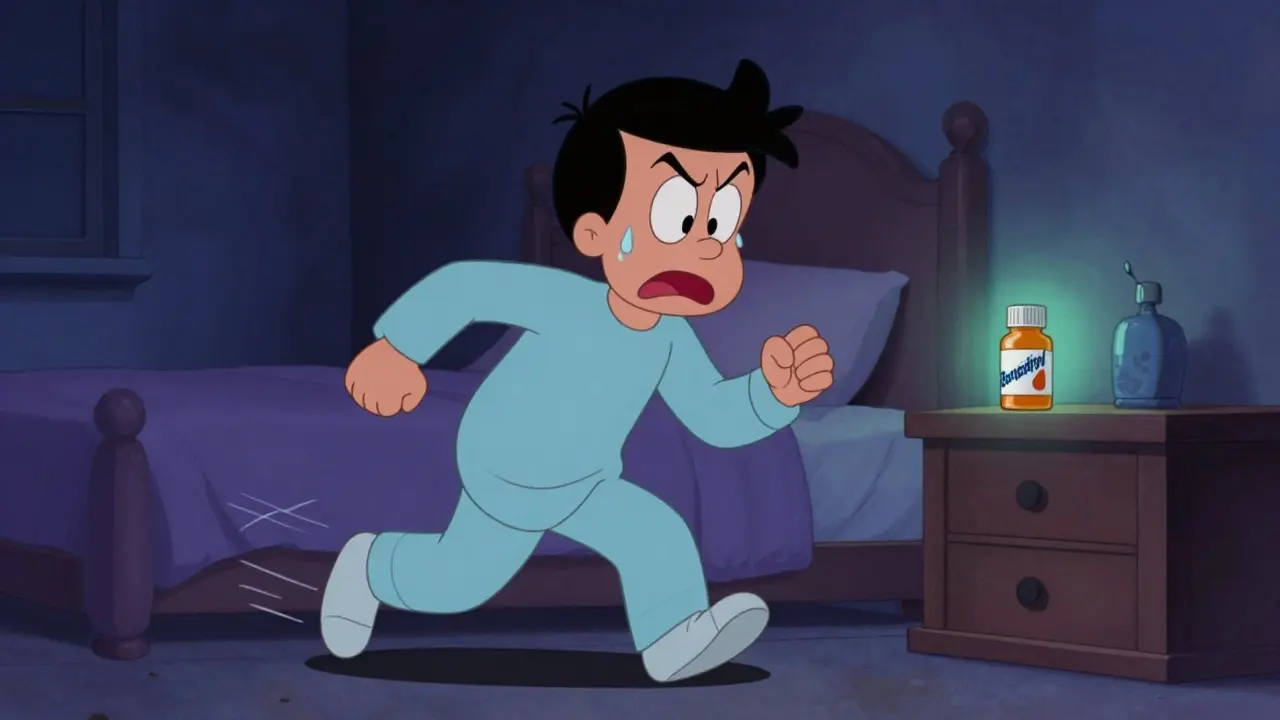
It is past midnight. Your eyes are heavy, you are exhausted, but your legs feel like they are crawling with ants or burning with an electric current. You reach for a bottle of Benadryl-a go-to for many trying to force sleep-and take two pills. Instead of drifting off, the urge to move becomes unbearable. You pace the floor until dawn.
If this sounds familiar, you are not imagining things. You are likely dealing with Restless Legs Syndrome (RLS), also known as Willis-Ekbom Disease. It is a neurological disorder that affects roughly 12 million people in the United States. The frustrating part? A common over-the-counter medication often used to help you sleep might actually be fueling the fire.
Sedating antihistamines, particularly first-generation ones like diphenhydramine, are notorious for worsening RLS symptoms. This article breaks down why this happens, which specific drugs to avoid, and what safe alternatives exist so you can finally get some rest without the agitation.
Why Do Antihistamines Trigger Restless Legs?
To understand why diphenhydramine makes RLS worse, we need to look at how your brain handles signals. RLS is deeply connected to dopamine, a neurotransmitter that helps control movement and pleasure. In people with RLS, dopamine pathways are already disrupted.
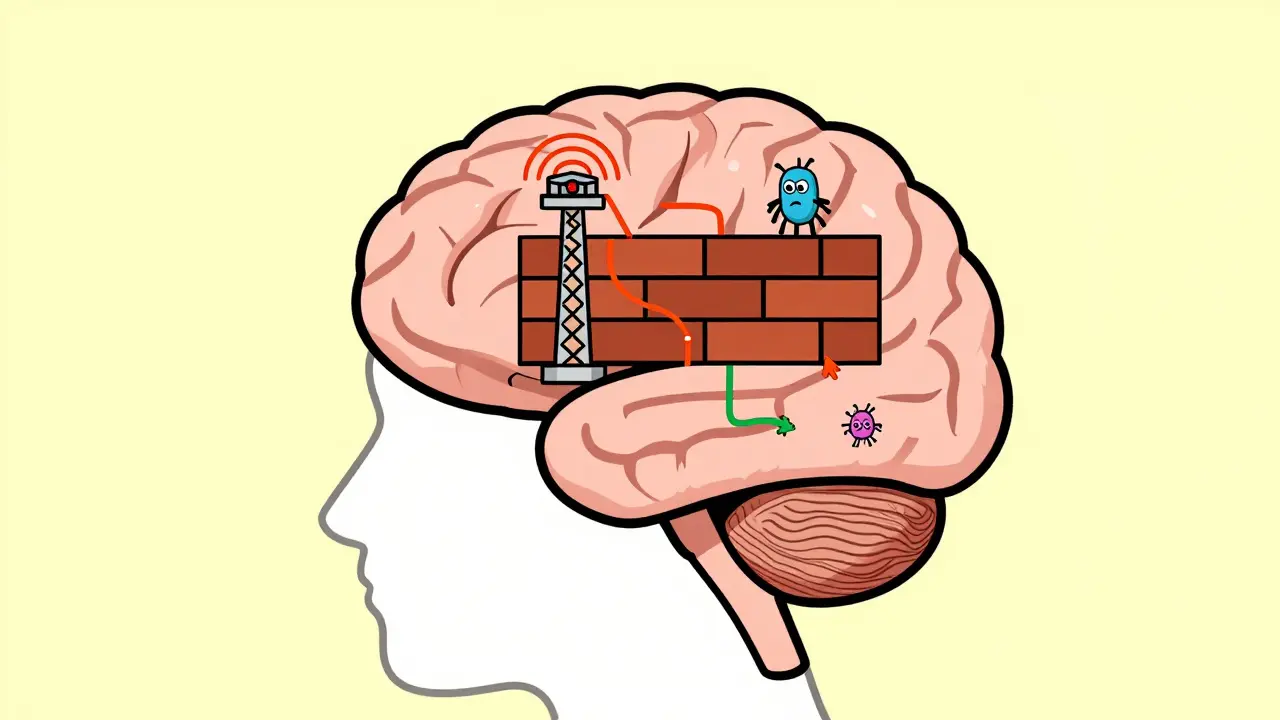
First-generation antihistamines, such as those found in Benadryl, Unisom, and many "PM" pain relievers, are lipophilic. This means they easily cross the blood-brain barrier. Once inside the brain, they do more than just block histamine receptors to stop allergies. They inadvertently block dopamine receptors (specifically D2 receptors).
Think of it like putting a brick wall in front of a signal tower. If your brain’s dopamine signaling is already weak due to RLS, blocking it further creates a "perfect storm," as Dr. Arthur Walters, a leading neurologist at Vanderbilt University Medical Center, has described. The result? Intense sensory discomfort and an uncontrollable urge to move your legs.
A significant study published in the NIH’s PMC database (PMC4172448) analyzed data from over 16,000 patients with End Stage Renal Disease. It found that antihistamines with dopamine-blocking properties were associated with a 1.47 to 2.28 times higher odds ratio of developing RLS. This link remains statistically significant even when controlling for other factors. Essentially, these drugs don't just mask symptoms; they actively aggravate the underlying neurological issue.
The Danger Zone: Medications to Avoid
Knowing which ingredients to steer clear of is crucial. Many people unknowingly trigger their RLS because sedating antihistamines hide in products that have nothing to do with allergies. Here is a breakdown of the high-risk offenders:
- Diphenhydramine: Found in Benadryl, ZzzQuil, and many generic store-brand sleep aids. This is the most common culprit.
- Doxylamine: Found in Unisom and NyQuil. Like diphenhydramine, it crosses the blood-brain barrier easily and blocks dopamine.
- Chlorpheniramine: Often found in older cold formulas like Dimetapp or Comtrex.
- Hydroxyzine: A prescription antihistamine (Atarax/Vistaril) sometimes prescribed for anxiety or itching, which can severely worsen RLS.
- Promethazine: Used for nausea and vomiting (Phenergan), this also carries high risk for RLS exacerbation.
Be wary of combination products. Many "Nighttime" versions of pain relievers, such as Advil PM, Tylenol PM, and Bayer PM, contain diphenhydramine. If you take these for a headache before bed, you might wake up with severe leg cramping instead of relief. According to the Restless Legs Syndrome Foundation, over 100 common over-the-counter medications contain these risky ingredients.
Safe Alternatives: Non-Sedating Antihistamines
Good news: Not all antihistamines are created equal. Second-generation, or non-sedating, antihistamines generally do not cross the blood-brain barrier in significant amounts. They work on the periphery of your body (like your nose and eyes) without interfering with the central nervous system’s dopamine pathways.
| Medication Name | Brand Examples | Risk Level for RLS | Notes |
|---|---|---|---|
| Fexofenadine | Allegra | Low | Minimal CNS penetration. Safest option for most. |
| Loratadine | Claritin | Low | Non-sedating. Generally well-tolerated by RLS patients. |
| Desloratadine | Clarinex | Low | Metabolite of loratadine. Low risk profile. |
| Cetirizine | Zyrtec | Moderate | Some patients report mild drowsiness or symptom flare-ups (~15%). |
| Diphenhydramine | Benadryl | High | Avoid. Blocks dopamine receptors directly. |
| Doxylamine | Unisom | High | Avoid. Strong sedative effect worsens RLS. |
While fexofenadine and loratadine are considered the safest bets, individual responses can vary. A small case report documented RLS symptoms induced by fexofenadine combined with pseudoephedrine, highlighting that decongestants can also play a role. Always introduce new medications slowly and monitor your symptoms.
Beyond Pills: Managing Allergies Without Agitation
If antihistamines make you anxious about treating your allergies, there are effective non-drug and alternative medical strategies. These methods target allergy symptoms without touching your dopamine receptors.
- Nasal Corticosteroids: Sprays like fluticasone (Flonase) or mometasone (Nasonex) reduce inflammation in the nasal passages. A 2019 study from Vanderbilt University reported 82% efficacy in RLS patients using these sprays for allergy relief, with no impact on leg symptoms.
- Saline Nasal Irrigation: Using a Neti pot or squeeze bottle to flush out allergens is simple and drug-free. Survey data from the RLS Foundation indicates that 76% of patients find this method helpful for clearing congestion without side effects.
- Allergen Avoidance: Keep windows closed during high pollen counts, use HEPA filters, and wash bedding frequently in hot water to remove dust mites.
Sleep Hygiene and Natural Aids for RLS
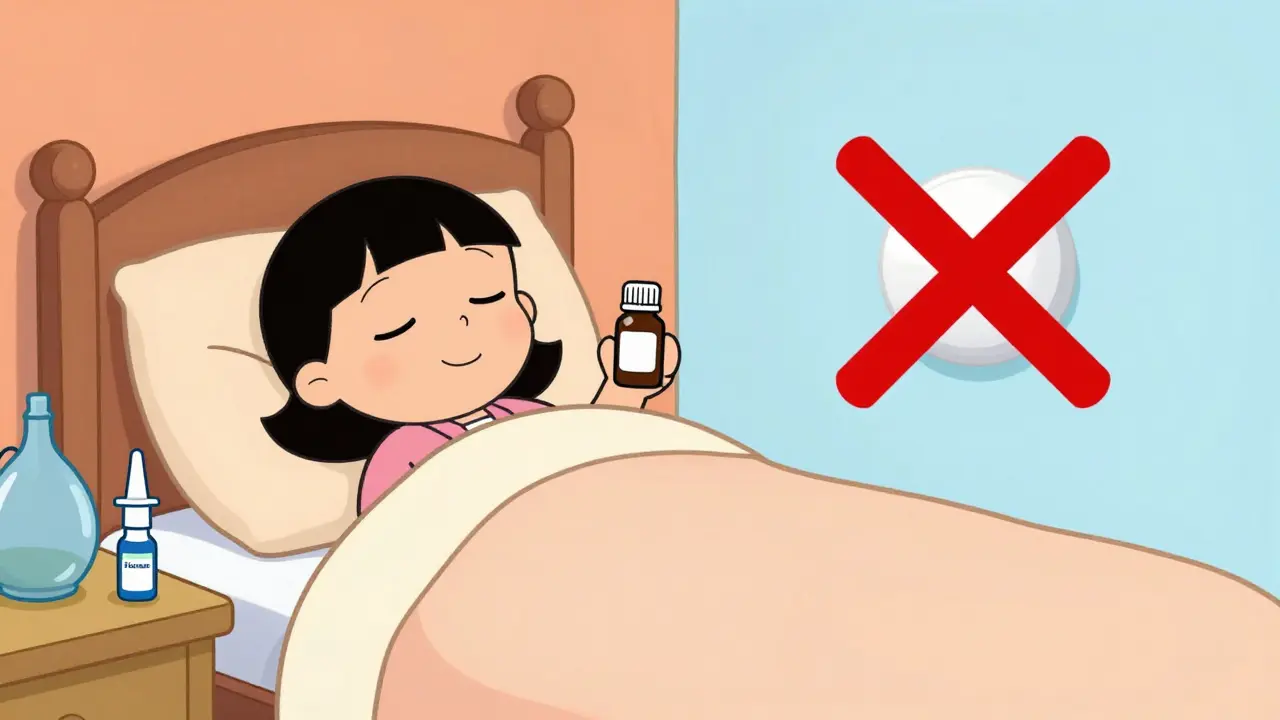
Since sedating antihistamines are off the table, how do you handle the insomnia that often accompanies RLS? The goal is to promote natural sleep architecture rather than forcing unconsciousness with chemicals that disrupt brain chemistry.
Melatonin is a popular choice. Unlike antihistamines, melatonin is a hormone that regulates the sleep-wake cycle. It does not block dopamine receptors. Guidelines from the International RLS Study Group suggest starting with a low dose (0.5mg to 3mg) taken 1-2 hours before bedtime. About 65% of RLS patients report benefit from melatonin without experiencing symptom exacerbation.
However, timing matters. Taking melatonin too late can shift your circadian rhythm, potentially making morning grogginess worse. Consistency is key-take it at the same time every night.
Other lifestyle adjustments include:
- Magnesium Supplementation: Some studies suggest magnesium glycinate may help relax muscles and improve sleep quality, though evidence for direct RLS symptom reduction is mixed. It is generally safe and worth discussing with your doctor.
- Leg Massage and Heat/Cold Therapy: Applying warm baths or heating pads before bed can soothe uncomfortable sensations. Conversely, some patients find cold packs provide relief.
- Moderate Exercise: Regular physical activity reduces RLS severity. However, avoid intense exercise within three hours of bedtime, as this can trigger symptoms.
When to See a Doctor
If switching to non-sedating antihistamines and improving sleep hygiene doesn’t resolve your symptoms, it is time to consult a specialist. RLS can be secondary to other conditions, such as iron deficiency anemia, kidney disease, or peripheral neuropathy.
Your doctor may check your ferritin levels. Iron is essential for dopamine production, and low iron stores are a major driver of RLS. If your ferritin is below 75 mcg/L, oral or intravenous iron supplementation might be recommended. For moderate to severe cases, doctors may prescribe dopaminergic agents (like pramipexole) or alpha-2-delta ligands (like gabapentin), which target the root neurological causes rather than masking them.
Remember, self-medicating with OTC sleep aids can delay proper diagnosis and treatment. Be proactive about reviewing your medication list with your healthcare provider, especially if you have been diagnosed with RLS.
Does Benadryl permanently worsen Restless Legs Syndrome?
No, Benadryl (diphenhydramine) does not cause permanent damage to RLS. However, it can significantly exacerbate symptoms while the drug is active in your system and for some time after. The worsening effect is due to temporary dopamine receptor blockade. Once you stop taking the medication, the acute exacerbation typically subsides, but it highlights why avoiding these drugs is critical for long-term management.
Is Zyrtec safe for people with RLS?
Zyrtec (cetirizine) is generally considered safer than Benadryl, but it is not risk-free. While it is a second-generation antihistamine, approximately 15% of RLS patients report mild symptom worsening or drowsiness with cetirizine. Fexofenadine (Allegra) and Loratadine (Claritin) are preferred options as they have even lower rates of central nervous system penetration.
What should I take for allergies if I have RLS?
The best options are non-sedating antihistamines like Allegra (fexofenadine) or Claritin (loratadine). Alternatively, nasal corticosteroid sprays like Flonase (fluticasone) are highly effective for allergy symptoms and do not interfere with dopamine pathways. Saline nasal irrigation is another excellent drug-free option.
Can decongestants make RLS worse?
Yes. Decongestants like pseudoephedrine and phenylephrine stimulate the nervous system and can increase RLS symptoms in about 35% of patients. Many multi-symptom cold medicines combine sedating antihistamines with decongestants, creating a double-whammy effect. Always check labels for these ingredients.
Does melatonin help with Restless Legs Syndrome?
Melatonin does not treat the underlying sensation of RLS, but it can help regulate sleep cycles, which are often disrupted by the condition. Studies show that about 65% of RLS patients benefit from melatonin for sleep initiation without experiencing symptom flare-ups. It is a safer alternative to sedating antihistamines for sleep aid.




Categories