
Sulfa Allergy Cross-Reactivity Checker
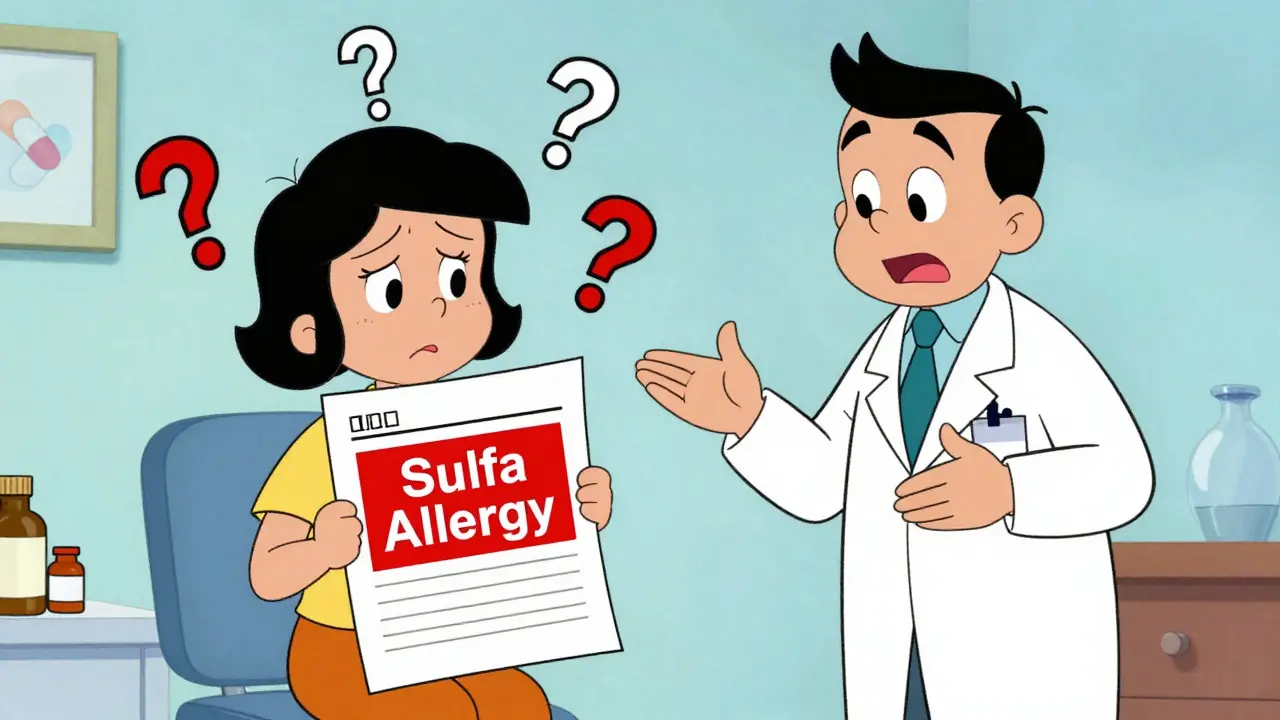
You’ve probably seen it on your medical chart before. Maybe a doctor asked about it during a routine checkup, or perhaps you’ve been told to avoid certain medications because of a "sulfa allergy." It’s one of the most common drug allergies listed in patient records, with studies showing that between 3% and 12% of people have this label attached to their history. But here’s the thing that might surprise you: for the vast majority of those people, it isn’t a true allergy at all.
Understanding what a sulfonamide allergy actually is-and more importantly, what it isn’t-can save you from unnecessary restrictions on life-saving medications. It can also help you avoid taking stronger, riskier drugs when safer options are available. Let’s break down the science behind these reactions, clear up the confusion about cross-reactivity, and give you a clear guide on what you really need to avoid.
The Truth About "Sulfa" Allergies
First, we need to separate fact from fiction. When people talk about a "sulfa allergy," they are usually referring to an allergic reaction to sulfonamide antibiotics. These are specific types of antibiotics used to treat bacterial infections. The term "sulfa" comes from the chemical structure of these drugs, which contains a sulfonamide group. However, just because a drug has "sulfa" in its name or contains sulfur doesn’t mean it will trigger an allergic reaction if you’re sensitive to sulfa antibiotics.
According to the American Academy of Allergy, Asthma & Immunology (AAAAI), true IgE-mediated allergies to sulfonamide antibiotics are actually quite rare, affecting only about 0.3% to 0.5% of the general population. So, why do so many people carry this label? Often, it’s due to misattributed reactions. Many patients experience side effects like nausea, diarrhea, or mild rashes after taking these antibiotics and assume it’s an allergy. In reality, these are adverse effects, not immune system responses. Another common culprit is the combination drug sulfamethoxazole-trimethoprim (often sold as Bactrim or Septra). Sometimes, the reaction is caused by the trimethoprim component, not the sulfamethoxazole.
This distinction matters because carrying a false allergy label can have real consequences. Research shows that patients labeled with a sulfa allergy are often prescribed broader-spectrum antibiotics, such as fluoroquinolones. These alternatives can be more expensive and come with serious risks, including tendon rupture and nerve damage. By understanding the difference between a true allergy and a side effect, you can work with your healthcare provider to choose the safest and most effective treatment for your condition.
Antibiotics vs. Non-Antibiotics: The Structural Difference
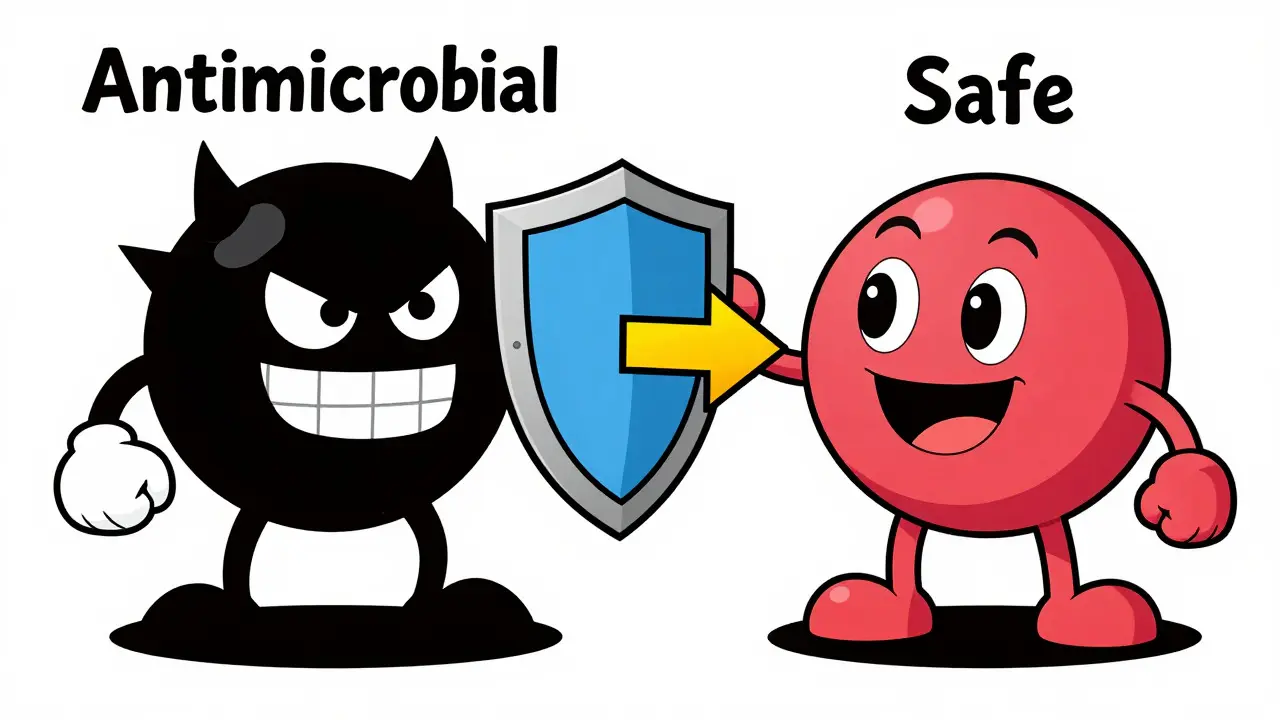
The biggest myth surrounding sulfa allergies is the idea of cross-reactivity between different types of sulfonamide-containing drugs. To understand why this is largely a myth, we need to look at the chemistry. All sulfonamides share a basic chemical structure known as the SO2NH2 moiety. However, antimicrobial sulfonamides have two additional structural features that are crucial: an arylamine group at the N4 position and a nitrogen-containing ring at the N1 position.
These extra components are essential for the drug’s ability to kill bacteria, but they are also what make the drug allergenic. Your immune system recognizes these specific structures as foreign invaders and mounts a response. On the other hand, nonantimicrobial sulfonamides lack these specific groups. They may contain the basic sulfonamide backbone, but without the arylamine and nitrogen ring, they don’t trigger the same immune response.
| Feature | Antimicrobial Sulfonamides | Nonantimicrobial Sulfonamides |
|---|---|---|
| Primary Use | Treating bacterial infections | Managing chronic conditions (e.g., hypertension, glaucoma) |
| Key Structural Elements | SO2NH2 + Arylamine (N4) + Nitrogen Ring (N1) | SO2NH2 only (no arylamine or nitrogen ring) |
| Allergenic Potential | High (due to reactive metabolites) | Low (different metabolic pathways) |
| Cross-Reactivity Risk | High within this class | Negligible with antimicrobial sulfonamides |
| Examples | Sulfamethoxazole, Sulfadiazine, Sulfasalazine | Furosemide, Hydrochlorothiazide, Celecoxib |
This structural difference is why experts agree that there is no clinically significant immunologic cross-reactivity between sulfonamide antibiotics and non-antibiotic sulfonamides. If you’re allergic to Bactrim, it doesn’t mean you’ll react to your blood pressure medication. This is a critical piece of information that can open up new treatment options for millions of patients who have been unnecessarily restricted.
What Medications Can You Safely Take?
If you have a documented allergy to sulfonamide antibiotics, you can likely safely take many common medications that fall into the nonantimicrobial category. Here are some of the most frequently prescribed drugs that do not pose a significant cross-reactivity risk:
- Diuretics: Drugs like hydrochlorothiazide and furosemide are widely used to treat high blood pressure and fluid retention. Studies show that the risk of reacting to hydrochlorothiazide in patients with a sulfa antibiotic allergy is statistically similar to that of the general population.
- Pain Relievers: Celecoxib (Celebrex) is a nonsteroidal anti-inflammatory drug (NSAID) used for arthritis and pain. Despite containing a sulfonamide group, it lacks the allergenic structural elements found in antibiotics.
- Glaucoma Medications: Acetazolamide and other carbonic anhydrase inhibitors are often used to lower eye pressure in glaucoma patients. These are generally safe for those with sulfa antibiotic allergies.
- Diabetes Medications: Sulfonylureas, such as glyburide and glipizide, are used to manage type 2 diabetes. While they share a similar name, their chemical structure is distinct enough to avoid cross-reactivity in most cases.
It’s important to note that while the risk is low, it’s never zero. Individual patient factors, such as a history of severe reactions like Stevens-Johnson syndrome, should always be discussed with an allergist. However, for the average person with a mild rash history, these medications are typically well-tolerated.
What Should You Actually Avoid?
So, if you can take most non-antibiotic sulfonamides, what should you steer clear of? The answer lies in sticking to the class that triggered your original reaction. If you are allergic to sulfonamide antibiotics, you should generally avoid other drugs in the same family. This includes:
- Sulfamethoxazole-trimethoprim: This is the most common culprit. Avoid all brands and formulations.
- Sulfadiazine: Often used for toxoplasmosis or nocardiosis.
- Sulfasalazine: Used for inflammatory bowel disease and rheumatoid arthritis.
- Sulfacetamide: Found in some eye drops for bacterial infections.
There is one notable exception among non-antibiotics: Dapsone. Dapsone is used to treat Pneumocystis pneumonia prophylaxis and certain skin conditions. Unlike other nonantimicrobial sulfonamides, dapsone shares more structural similarities with antimicrobial sulfonamides. Studies have shown a higher rate of cross-reactivity with dapsone in patients with a history of sulfa antibiotic allergy, so caution is advised here.
Clearing Up Other Confusions
Beyond the antibiotic/non-antibiotic divide, there are several other substances that people mistakenly believe are linked to sulfa allergies. It’s time to put these myths to rest.
Sulfur, Sulfates, and Sulfites: These are chemically unrelated to sulfonamides. Sulfur is an element found in many foods and supplements. Sulfates are salts used in detergents and shampoos. Sulfites are preservatives found in wine and dried fruits. Having a sulfa allergy does not mean you are allergic to any of these. In fact, surveys show that nearly half of primary care physicians incorrectly believe sulfites are contraindicated in these patients, leading to unnecessary dietary restrictions.
Sulindac: This is another NSAID that sounds like it might be related, but it is structurally different and generally considered safe for patients with sulfa antibiotic allergies.
Food Additives: There is no evidence that food additives containing sulfur compounds trigger sulfa antibiotic allergies. You don’t need to change your diet unless you have a separate, diagnosed food allergy.
How to Get Your Allergy Status Verified
If you’ve carried a "sulfa allergy" label for years, it might be time to get it checked. Mislabeling costs the healthcare system billions annually and contributes to antibiotic resistance. More importantly, it limits your treatment options. The good news is that evaluating and potentially removing this label is a straightforward process.
For patients with low-risk reactions-such as a mild rash that appeared days after starting the medication-a direct oral challenge can be performed in an outpatient setting. This involves taking a small dose of the suspected drug under medical supervision. Studies show this method has a safety rate of over 99%. For higher-risk patients, an allergist can perform skin testing followed by a graded challenge. Recent data indicates that nearly 95% of patients with a reported sulfa allergy successfully tolerate this process, proving that their original diagnosis was incorrect.
To make this process easier, start by documenting your past reactions accurately. Instead of just saying "sulfa allergy," specify what happened. Did you get a rash? Did you have trouble breathing? When did it occur relative to taking the medication? This detailed history helps clinicians assess your risk level and determine the best path forward. Many health systems are now implementing automated tools to help identify patients who could benefit from allergy de-labeling, making it easier than ever to correct the record.
Practical Steps for Patients
Knowing what to avoid is only half the battle. Taking action to ensure your medical team understands your true allergy status is crucial. Here’s how you can advocate for yourself:
- Review Your Medical Records: Ask your primary care provider to review your allergy list. If the details are vague, request a referral to an allergist for evaluation.
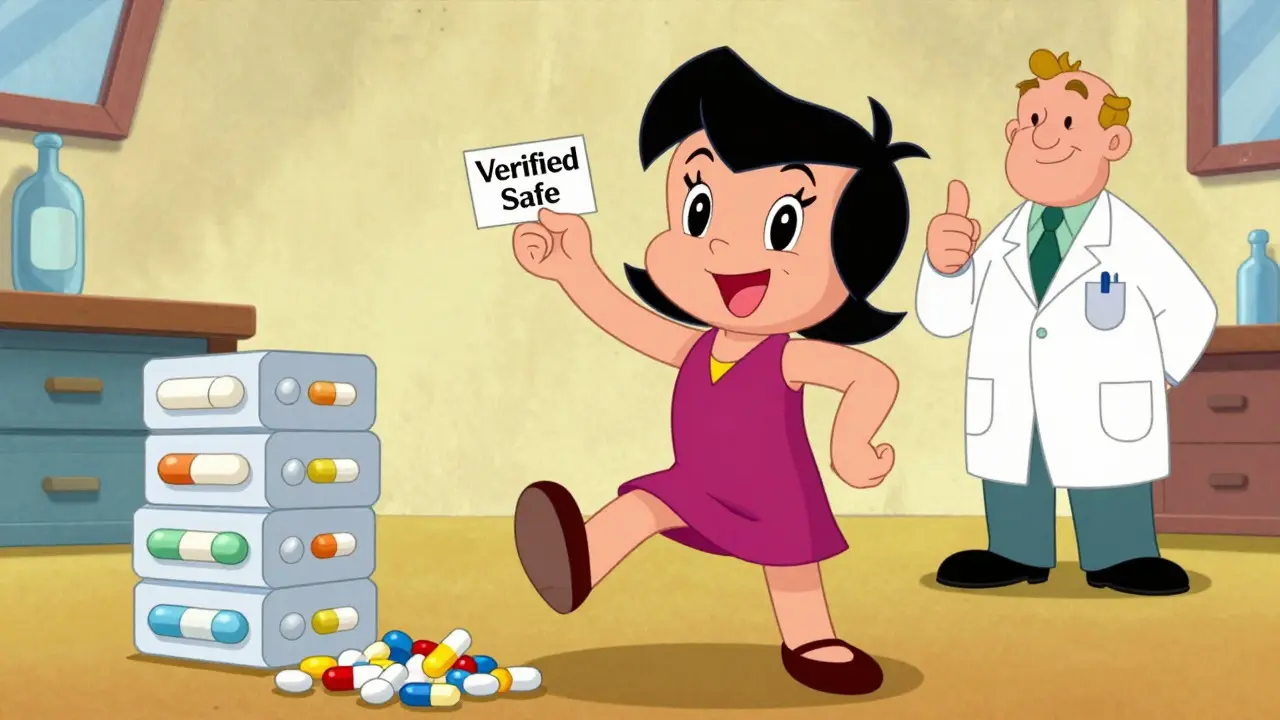
- Carry an Updated Allergy Card: Once you’ve clarified your allergies, keep a card in your wallet that lists exactly what you are allergic to and, equally important, what you are NOT allergic to. For example, "Allergic to Sulfamethoxazole; Tolerates Hydrochlorothiazide and Celecoxib."
- Inform New Providers: Whenever you see a new doctor, dentist, or specialist, proactively mention your verified allergy status. Don’t assume they will read your entire chart.
- Ask Questions: If a doctor prescribes a medication you’re unsure about, ask, "Does this contain a sulfonamide group? Is it an antibiotic or non-antibiotic?" Most providers will appreciate your engagement and take the time to explain.
By taking these steps, you empower yourself to receive the best possible care without the fear of an unnecessary reaction. Remember, knowledge is power, especially when it comes to your health.
Is hydrochlorothiazide safe if I have a sulfa allergy?
Yes, for the vast majority of people. Hydrochlorothiazide is a nonantimicrobial sulfonamide. Studies show that the risk of cross-reactivity between sulfonamide antibiotics and hydrochlorothiazide is negligible, with reaction rates similar to those in the general population. However, if you had a severe reaction like Stevens-Johnson syndrome, consult an allergist before taking it.
Can I take Celebrex if I am allergic to Bactrim?
Generally, yes. Celecoxib (Celebrex) is a nonantibiotic sulfonamide that lacks the specific chemical structures responsible for triggering allergic reactions in sulfa-sensitive individuals. Clinical evidence supports its safety in patients with sulfonamide antibiotic allergies.
What is the difference between a sulfa allergy and a sulfur allergy?
They are completely different. A sulfa allergy is a reaction to specific synthetic drugs called sulfonamides. Sulfur is a natural element found in many foods, supplements, and topical treatments. Having a sulfa allergy does not mean you are allergic to sulfur, sulfates, or sulfites.
How can I know if my sulfa allergy is real?
Most reported sulfa allergies are not true IgE-mediated allergies. You can find out by seeing an allergist who can perform skin tests or a supervised oral drug challenge. Approximately 95% of patients with a recorded sulfa allergy pass these challenges, indicating their original diagnosis was likely incorrect.
Are there any non-antibiotic sulfonamides I should avoid?
While most non-antibiotic sulfonamides are safe, Dapsone is an exception. It shares more structural similarities with antimicrobial sulfonamides and has a higher rate of cross-reactivity. If you have a severe history of sulfa reactions, discuss Dapsone carefully with your doctor.




Categories