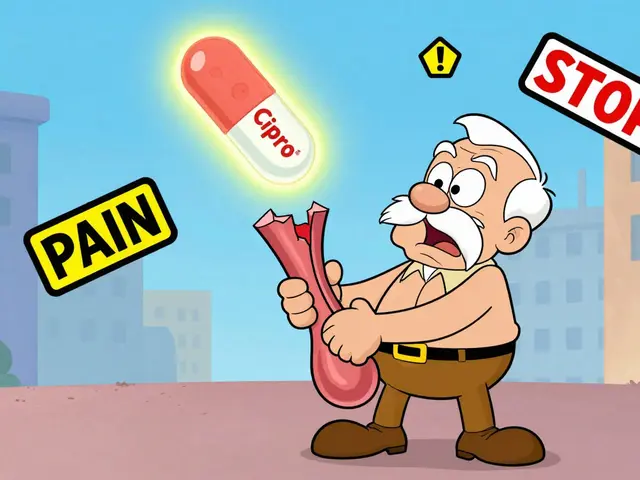
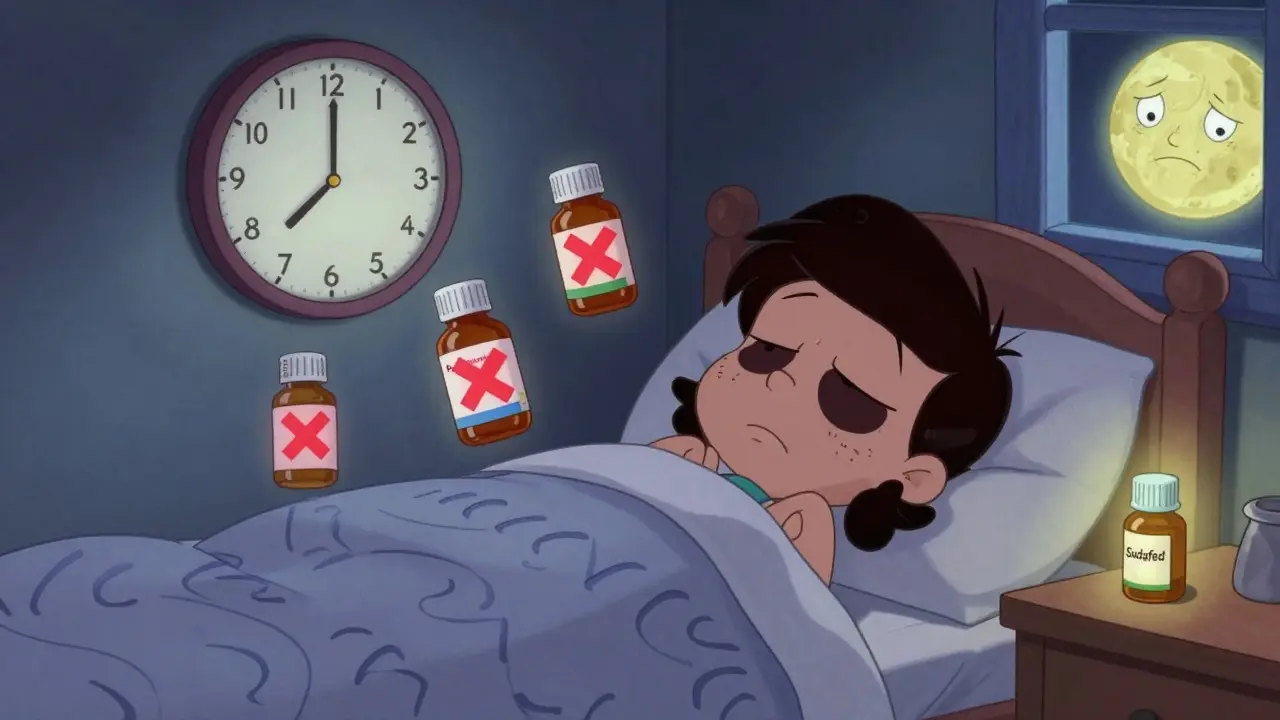
More than one in five adults say their sleep problems started after they began a new medication. It’s not just stress or screen time - your pill bottle might be the real culprit. Whether you’re on a daily prescription, an over-the-counter cold remedy, or a supplement you picked up because it’s "natural," your sleep could be getting disrupted without you realizing why. And if you’ve tried counting sheep, cutting caffeine, or buying a new mattress, but nothing sticks, the answer might be simpler than you think: your medication.
Which Medications Commonly Cause Insomnia?
It’s not just stimulants. Many everyday drugs quietly mess with your sleep cycle. Here are the usual suspects based on real clinical data:- SSRIs (like fluoxetine/Prozac): These antidepressants can slash REM sleep by over 20% and keep you stuck in light, restless sleep. About 1 in 4 users report waking up multiple times at night.
- Beta-blockers (like metoprolol/Lopressor): Used for high blood pressure and heart conditions, they reduce your body’s natural melatonin by nearly half. That means more nightmares, more awakenings, and less deep sleep.
- Corticosteroids (like prednisone): Even a single 20mg dose can cut deep sleep by almost half and triple nighttime wake-ups. It’s not anxiety - it’s your cortisol levels spiking when they should be dropping.
- ADHD stimulants (like Adderall XR): These can delay sleep onset by over an hour in nearly 4 out of 10 users. The effect lasts longer than you think.
- Decongestants (like pseudoephedrine/Sudafed): Even though they’re meant for your nose, they’re wired like caffeine. About 1 in 8 users get wired at night.
- Non-drowsy antihistamines (like loratadine/Claritin): Despite being "non-drowsy," they can still block sleep signals. About 1 in 10 users struggle to fall asleep.
- St. John’s Wort: Yes, the supplement sold for "mood support" causes sleep problems in 1 in 7 people - often worse than the depression it’s meant to treat.
And here’s the twist: some of these drugs are taken at night because they’re supposed to help you sleep. But they don’t. They just change the shape of your sleep - making it shallow, fragmented, or too short.
Why Do These Drugs Break Your Sleep?
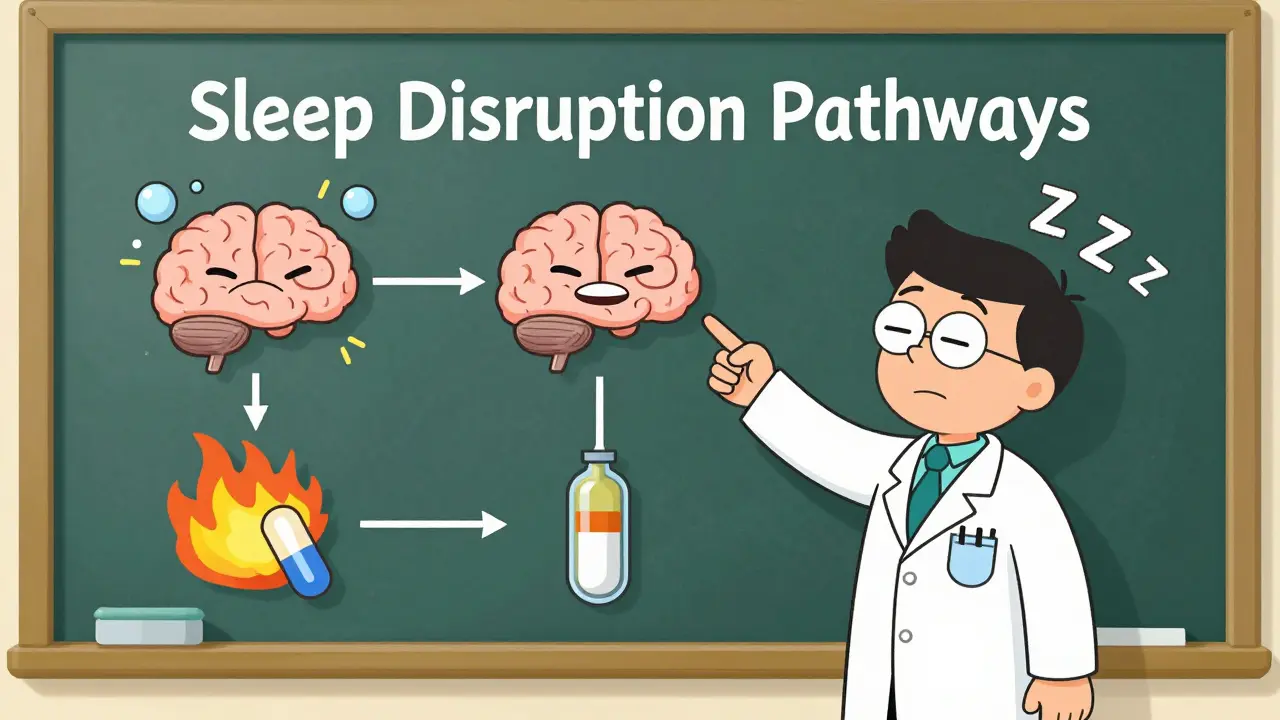
It’s not random. Each drug attacks sleep in a different way:- SSRIs flood your brain with serotonin. Too much serotonin in the wrong place shuts down melatonin production - the hormone that tells your body it’s time to sleep.
- Beta-blockers block signals to your pineal gland. That’s the tiny part of your brain that makes melatonin. No signal? No melatonin. No melatonin? No sleep.
- Corticosteroids mimic your body’s natural stress hormone, cortisol. When you take them at night, your body thinks it’s 8 a.m. - wide awake, alert, and ready to run from a lion.
- Stimulants pump up dopamine and norepinephrine like a jet engine. These chemicals keep your mind racing long after you’ve turned off the lights.
These aren’t side effects you can just "tough out." They’re biological interference. Your brain isn’t broken - it’s being chemically hijacked.
Practical Fixes That Actually Work
You don’t have to quit your meds. You don’t have to suffer. Here’s what works - backed by studies and real patient outcomes.1. Move Your Dose
Timing matters more than you think.- Take corticosteroids before 9 a.m. - not at lunch. This simple shift cuts nighttime awakenings by over 60%.
- Take SSRIs in the morning. Switching from nighttime to morning dosing reduces sleep issues by nearly half.
- Take beta-blockers in the morning if your doctor approves. Some formulations are less disruptive when taken early.
Most people take meds at night because they think it’s better for absorption. But for sleep-disrupting drugs, timing is a tool - not an accident.
2. Swap for a Better Option
Not all drugs in the same class are equal.- Switch from propranolol (fat-soluble) to atenolol (water-soluble). This reduces nighttime awakenings by 37%.
- If SSRIs are wrecking your sleep, ask about mirtazapine. It’s an antidepressant that actually helps you sleep - 68% of users report full recovery.
- For allergies, try cetirizine (Zyrtec) instead of loratadine. It’s less likely to interfere with sleep.
Doctors don’t always bring this up. But if your sleep is gone, your medication choice should be on the table.
3. Try Melatonin - But Smart
Melatonin isn’t a magic pill - but it can help if your body isn’t making enough.- Take 0.5 to 3 mg, 2 to 3 hours before bed.
- It works best for beta-blocker users - studies show it restores sleep by over 50%.
- Don’t take it with SSRIs. It can make things worse.
Use it as a bridge, not a crutch. If you need it every night for more than 3 weeks, talk to a sleep specialist.
4. Use CBT-I - The Gold Standard
Cognitive Behavioral Therapy for Insomnia (CBT-I) isn’t just for people with "bad sleep habits." It works even when drugs are the root cause.- Studies show CBT-I fixes medication-related insomnia in 65-75% of cases.
- It doesn’t require pills. Just structured changes to your sleep routine, thoughts, and environment.
- Many online programs are covered by insurance - or cost less than a month’s supply of sleep aids.
Think of it like physical therapy for your sleep. Your brain learned to stay awake. Now it needs to relearn how to shut off.
When to Stop - And When Not To
Never quit a prescription cold turkey. But if your sleep is falling apart, here’s when to act:- Call your doctor if sleep problems last more than 3 weeks.
- Call your doctor if you’re awake 3+ nights a week.
- Call your doctor if you’re tired, irritable, or foggy 3+ days a week.
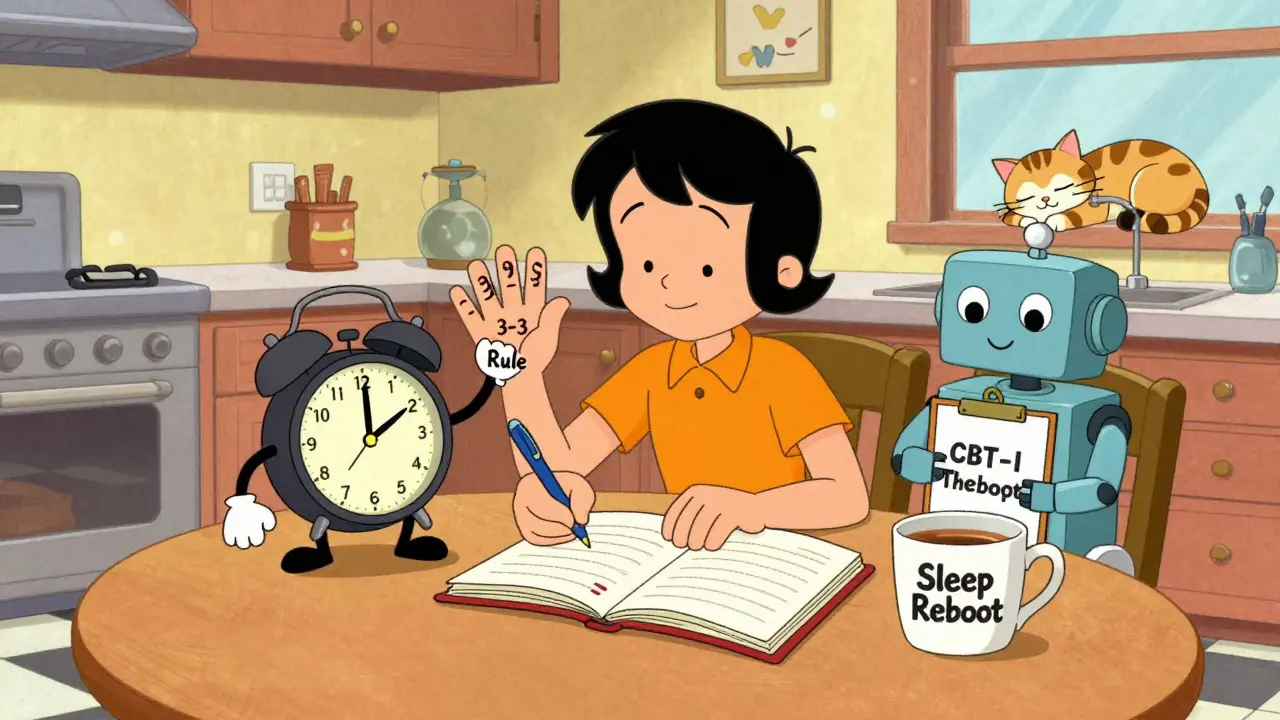
This is the "3-3-3 Rule" - recommended by sleep experts. It’s not a suggestion. It’s a red flag.
And don’t assume it’s "just aging." People over 65 are far more likely to have sleep issues from medications - especially first-gen antihistamines like diphenhydramine (Benadryl). The American Geriatrics Society says these should be avoided entirely in older adults. Yet they’re still sold in drugstores like candy.
What You Should Do Right Now
1. Write down every pill, supplement, or OTC drug you take - even if you think it’s harmless. 2. Track your sleep for 7 days. Note: When you go to bed. When you wake up. How many times you woke up. How rested you felt. 3. Look for patterns. Did your sleep crash after starting a new med? Did it improve when you changed the time you took it? 4. Bring this to your doctor. Don’t say, "I think my meds are keeping me up." Say, "I’ve been taking [med name] for [time], and since then, I’ve been waking up 3-4 times a night. I’ve tracked it. Can we look at alternatives?"Most doctors will listen. They just need you to give them the facts - not just feelings.
What Doesn’t Work
- Drinking more alcohol to "help you sleep." It fragments sleep worse than the meds.
- Taking more sleeping pills. You’re already on one - adding another is a trap.
- Waiting it out. Medication-induced insomnia doesn’t fix itself. It gets worse.
- Blaming stress. Yes, stress plays a role - but if your sleep changed the day you started a new drug, the drug is the trigger.
There’s a reason 34% of people quit their meds because of sleep problems - and 61% never told their doctor. That’s not bravery. That’s risk.
Final Thought: You’re Not Broken
You’re not lazy. You’re not anxious. You’re not failing at sleep. You’re taking a drug that was never meant to be taken with your natural sleep rhythm in mind. That’s not your fault. The fix isn’t about willpower. It’s about chemistry. Timing. Choice. You can get your sleep back - without quitting your meds, without suffering, without guessing. Start with the 3-3-3 Rule. Track your sleep. Talk to your doctor. Your body isn’t broken. It just needs the right information.Can over-the-counter drugs cause insomnia?
Yes. Common OTC drugs like pseudoephedrine (Sudafed), loratadine (Claritin), and even some "sleep aid" products containing antihistamines can disrupt sleep. Pseudoephedrine acts like caffeine and delays sleep onset in 12-15% of users. Loratadine, despite being labeled "non-drowsy," blocks sleep signals in 8-10% of users. Even supplements like St. John’s Wort - marketed for mood - cause insomnia in 15% of users.
Is it safe to stop my medication if it’s causing insomnia?
No - never stop a prescription medication without talking to your doctor. Abruptly stopping drugs like SSRIs or beta-blockers can cause serious rebound effects, including worsened insomnia, anxiety, or heart issues. Instead, ask your doctor about adjusting the timing, switching to a different drug in the same class, or adding a sleep-support strategy like melatonin or CBT-I.
How long does medication-induced insomnia last?
It depends. If you change the timing of your dose or switch medications, improvement can happen in days to weeks. If you keep taking the drug unchanged, insomnia can persist for months - or longer. In some cases, sleep doesn’t fully recover until the drug is stopped and your body resets its natural rhythm, which can take 2-6 weeks. CBT-I can speed up recovery significantly.
Can melatonin help with insomnia caused by beta-blockers?
Yes - and it’s one of the most effective fixes. Beta-blockers reduce your body’s natural melatonin production by up to 42%. Taking 0.5-3 mg of melatonin 2-3 hours before bed restores sleep quality in over half of users, according to clinical trials. It doesn’t make you sleepy like a sedative - it just signals to your brain that it’s time to wind down.
Why do some antidepressants cause insomnia while others help?
It’s about the chemical pathway. SSRIs like fluoxetine increase serotonin, which can overstimulate brain regions that keep you awake. But mirtazapine works differently - it blocks certain serotonin receptors and boosts histamine, which has a sedating effect. That’s why mirtazapine helps sleep in 68% of users, while fluoxetine ruins it for 25-30%. The class matters, but the specific drug matters more.
Is CBT-I really effective for drug-related insomnia?
Yes - and better than pills. A 2023 meta-analysis found CBT-I resolves medication-induced insomnia in 65-75% of cases. It works by retraining your brain’s sleep response, regardless of what’s in your bloodstream. Even if you’re still taking the drug, CBT-I can reduce nighttime awakenings, improve sleep efficiency, and cut reliance on sleep aids. It’s the only non-drug treatment with strong evidence for this specific problem.
Should I avoid all medications if I have trouble sleeping?
No. Many medications are essential for your health - blood pressure drugs, thyroid pills, insulin, and others. The goal isn’t to avoid meds. It’s to find the right combination that works for your body. Work with your doctor to identify which drug is likely causing the problem, then adjust timing, dose, or switch to a better alternative. Most people can keep their essential meds and still get good sleep.