
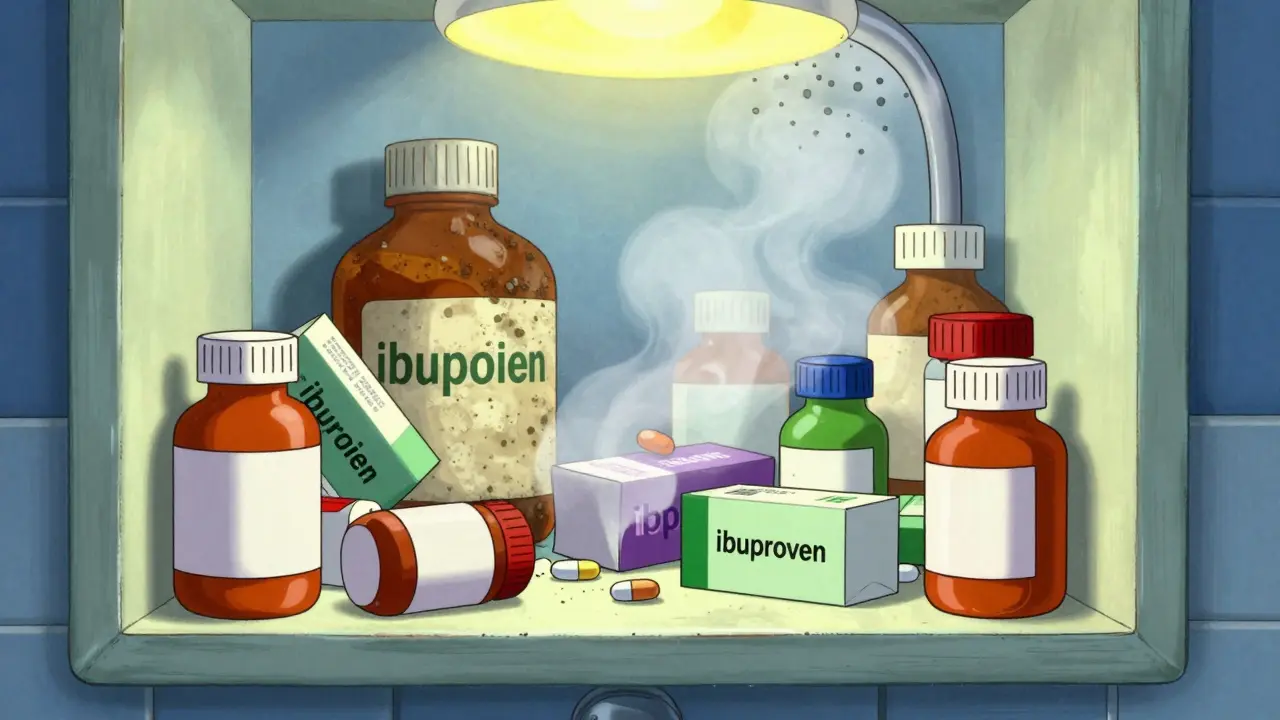
That bottle of ibuprofen sitting at the back of your bathroom cabinet? It’s probably older than you think. Most of us grab what we need without checking the date, assuming that if it hasn’t changed color or smell, it must still be good. But here is the uncomfortable truth: taking expired medication doesn't just mean it might not work-it can sometimes make you sick.
In hospitals, this is a multi-billion dollar problem. In our homes, it’s a silent safety risk. You don’t need an expensive automated dispensing system like those used in major medical centers to stay safe. You just need a simple, consistent routine. Let’s walk through exactly how to organize, track, and safely get rid of old meds so your cabinet works for you, not against you.
The Reality of Expiration Dates
First, let’s clear up a common myth. An expiration date is the last day the manufacturer guarantees full potency and safety. After that date, the chemical structure of the drug can break down. For most over-the-counter pain relievers, this means they simply become less effective. You take them for a headache, and nothing happens.
But for some critical medications, degradation is dangerous. Tetracycline antibiotics, for example, can turn toxic to your kidneys after they expire. Nitroglycerin, used for chest pain, loses its ability to widen blood vessels quickly, which could be fatal during a heart attack. Insulin degrades rapidly if exposed to heat, rendering it useless for managing blood sugar.
You don’t need to memorize chemistry. You just need to respect the date printed on the box or bottle. If it’s past that date, toss it. Simple as that.
Step-by-Step: Organizing Your Medicine Cabinet
Tracking dates is impossible if you’re digging through a junk drawer. Here is a practical workflow to set up your home pharmacy correctly.
- Gather everything: Pull every pill bottle, tube, patch, and inhaler out of your house. Check the bathroom, the kitchen, the car glove box, and nightstands. Bring it all to one table.
- Sort by type: Group them into categories: Pain relief, Cold/Flu, Prescription (current), Prescription (old), Vitamins, and Topicals (creams/ointments).
- Check the dates: Look at the "Exp" or "Use By" date on each container. If you can’t find it, check the original box. If there is no date and the pills are loose in a bag, assume they are unsafe and discard them.
- Purge the old: Put anything expired or nearly expired (within 3 months) into a separate pile for disposal. Do not put these back in the cabinet yet.
- Reorganize by frequency: Keep daily medications front and center. Store emergency items (like EpiPens or nitroglycerin) where everyone knows they are, but away from children.
This process takes about 30 minutes but saves you hours of confusion later. Plus, you’ll likely find duplicates-three boxes of Tylenol because you bought one when you had a fever last year, didn’t finish it, and forgot you already had two others.
Simple Tracking Methods That Actually Work
You don’t need a smartphone app or a spreadsheet to track expiration dates effectively. In fact, digital tools often fail because people forget to update them. Physical cues are more reliable.
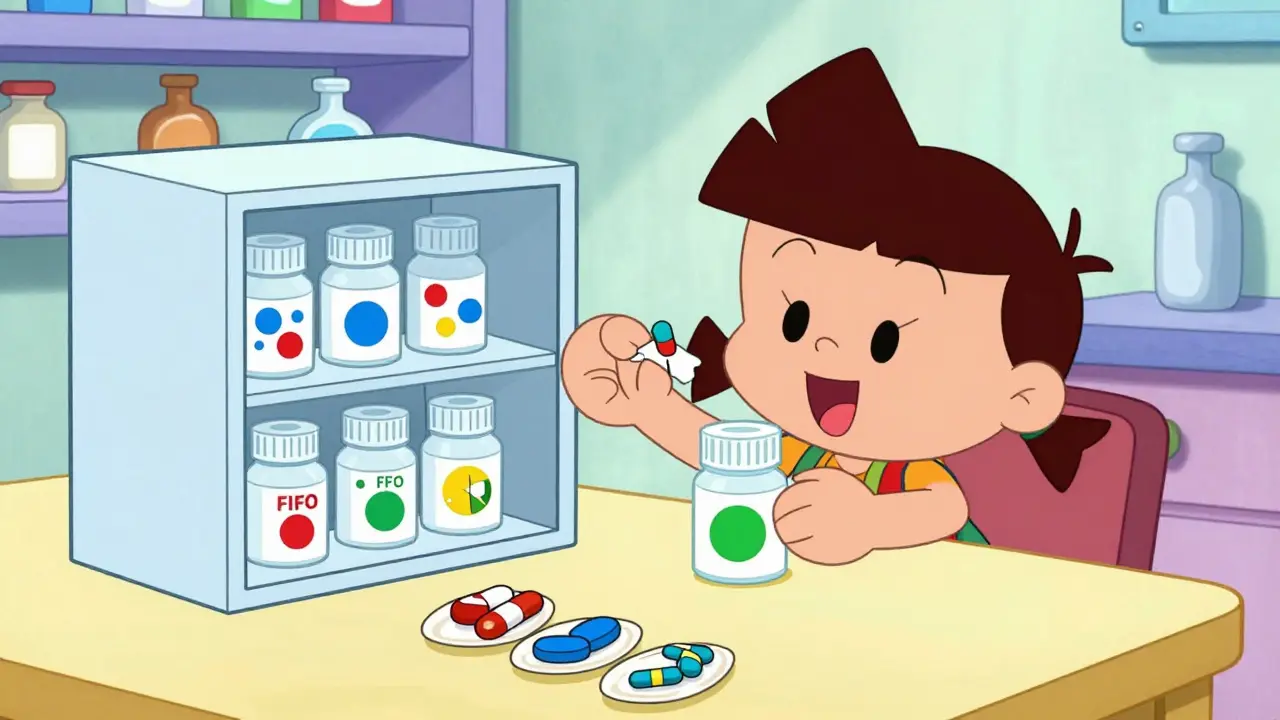
- The "Newest to the Back" Rule: When you buy new medication, place it behind the older stock. This is called FIFO (First In, First Out). It ensures you use the oldest product first before it expires.
- Color-Coded Stickers: Buy a pack of small colored dot stickers. Assign a color to each quarter of the year (e.g., Red for Jan-Mar, Blue for Apr-Jun). Stick a dot on the lid of any bottle that expires in that window. Now, you can glance at your shelf and see instantly which bottles need attention.
- Calendar Reminders: Set a recurring reminder on your phone for the first Sunday of every month. Label it "Medicine Cabinet Check." Spend five minutes scanning the shelves for any stickers matching the current season or any bottles nearing their end date.
If you prefer technology, there are apps like Medisafe or MyTherapy that allow you to scan barcodes. These are great for tracking *when* to take meds, but they often require manual entry for expiration dates. Use them only if you are disciplined enough to update the data every time you refill a prescription.
Storage Matters: Why Location Changes Expiry
An expiration date assumes ideal storage conditions. Most drugs are tested to remain stable at room temperature (68°F-77°F) and low humidity. Your bathroom cabinet is usually the worst place for medicine.
Why? Showers create steam. Steam creates humidity. Humidity breaks down tablets and capsules faster than dry air. Over time, pills can crumble, change texture, or lose potency well before the printed date.
Better storage spots include:
- A high drawer in a bedroom closet (dry and cool).
- A dedicated box in a pantry away from the stove.
- A locked cabinet in a hallway.
Keep refrigerated meds (like certain insulins or liquid antibiotics) in the main body of the fridge, not the door. The door fluctuates in temperature every time you open it, which speeds up degradation. Never freeze medications unless the label explicitly says to do so.
Safe Disposal: Don’t Flush It
Here is where many people go wrong. You have a handful of expired pills. What do you do?
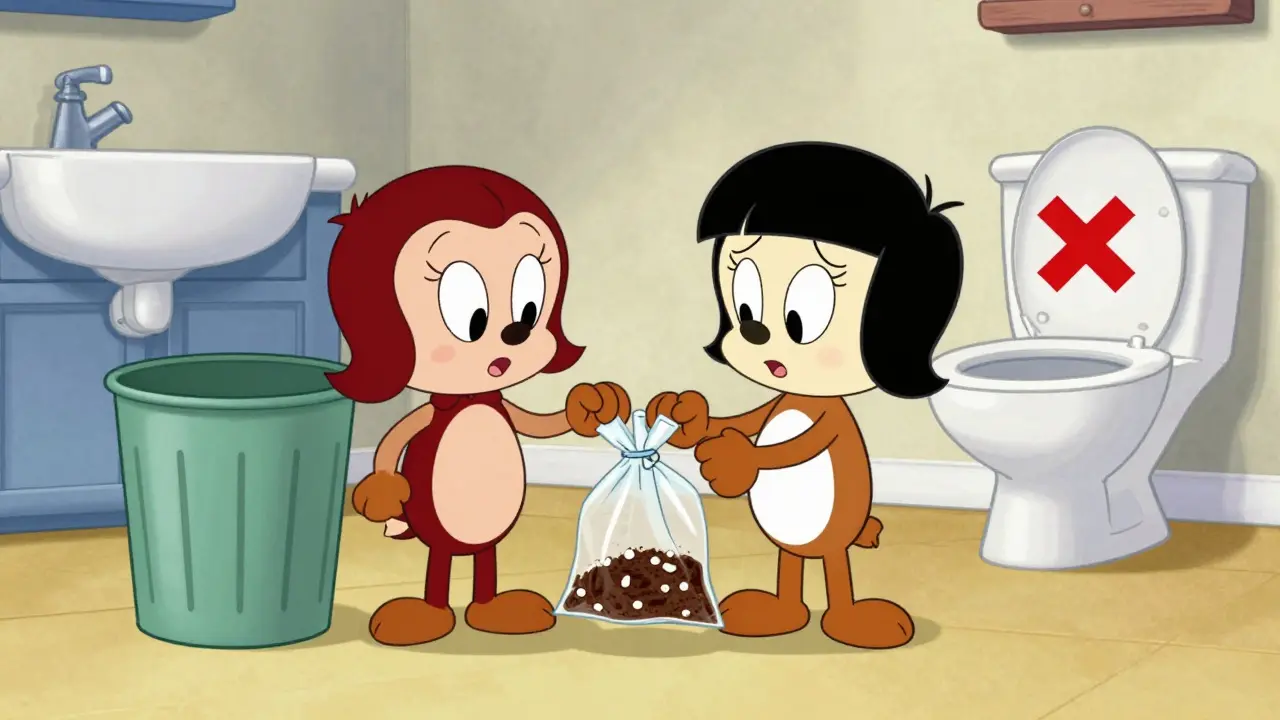
Do not flush them. Flushing medications contaminates water supplies and harms aquatic life. Only flush drugs if the FDA specifically lists them as dangerous to keep around (like fentanyl patches or oxycodone). Even then, use a disposal kit if possible.
Do not throw them whole in the trash. Kids or pets might dig them out. Here is the safe way to dispose of most household medications:
- Mix the pills with an unappealing substance like used coffee grounds, cat litter, or dirt.
- Place the mixture in a sealed plastic bag or container.
- Scratch out personal information on the prescription label.
- Throw the sealed bag in your regular household trash.
For larger quantities or controlled substances, look for a local drug take-back program. Many pharmacies, police stations, and hospitals host collection bins. The DEA also sponsors National Prescription Drug Take Back Days twice a year. Checking your local health department’s website will give you the nearest drop-off location.
When to Call a Professional
Sometimes, tracking isn’t enough. If you notice pills changing color, developing a strange odor, or becoming sticky, discard them immediately regardless of the date. Moisture damage is irreversible.
If you manage complex regimens for elderly parents or children, consider asking your pharmacist for a blister pack service. Some pharmacies offer pre-packaged doses labeled with day and time. This eliminates the guesswork and makes it easy to spot if a dose was missed or if a package is nearing its end.
Can I take medication one month after the expiration date?
It depends on the drug. For most stable over-the-counter medications like aspirin or acetaminophen, being slightly past the date usually means reduced potency, not toxicity. However, for critical medications like insulin, nitroglycerin, or liquid antibiotics, even a small amount of time past expiration can render them ineffective or unsafe. Always err on the side of caution and replace critical meds promptly.
Where is the best place to store medicines at home?
The best place is a cool, dry, dark location. A bedroom closet or a kitchen pantry (away from the sink and stove) is ideal. Avoid bathrooms due to humidity and temperature fluctuations from showers. Keep medications in their original containers to protect them from light and moisture.
How should I dispose of expired liquid medicine?
Mix the liquid with an undesirable substance like coffee grounds or cat litter in a sealable bag. Ensure the liquid is fully absorbed so it doesn’t leak. Seal the bag tightly and throw it in the trash. Do not pour liquids down the drain unless instructed by a pharmacist or listed on the FDA’s flush list.
Are there apps that can track my medication expiration dates?
Yes, apps like Medisafe, MyTherapy, and Pillbox allow you to log medications and set reminders for refills and expirations. However, these require manual input. They are useful supplements but should not replace physical checks of your cabinet, especially for emergency medications.
What does "discard 28 days after opening" mean?
This instruction applies primarily to eye drops, liquid antibiotics, and compounded creams. Once opened, these products are exposed to bacteria and air, which degrade them faster than the sealed expiration date suggests. Mark the opening date on the bottle with a pen and discard it after the specified period, even if pills or other meds remain.
Categories