
Biologics are expensive. We're talking about $50,000 to $100,000 a year for conditions like rheumatoid arthritis or cancer. For decades, there was no cheaper alternative because you couldn't just copy a biological molecule the way you can copy a small chemical pill. That changed with the biosimilar approval pathway, but for years, it felt stuck in bureaucratic quicksand. If you've looked into how the FDA reviews these drugs, you probably noticed the process is opaque and slow. But that’s shifting fast.
In late 2025, the FDA released a major update to its guidelines that fundamentally changes how we look at these approvals. It’s not just a tweak; it’s a move to align U.S. standards closer to Europe’s, potentially cutting development costs by half and speeding up access for patients. Here is what actually happens when a company submits a biosimilar for review, how the new rules change the game, and why this matters if you’re paying out of pocket or managing a healthcare budget.
The Core Difference: Why You Can’t Just Copy a Biologic
To understand the approval process, you first have to understand why biologics are different from generic drugs. A generic drug, like ibuprofen, is a small molecule. It has a precise chemical structure. If Company A makes it and Company B makes it, they are chemically identical. The FDA checks purity and strength, and it’s done.
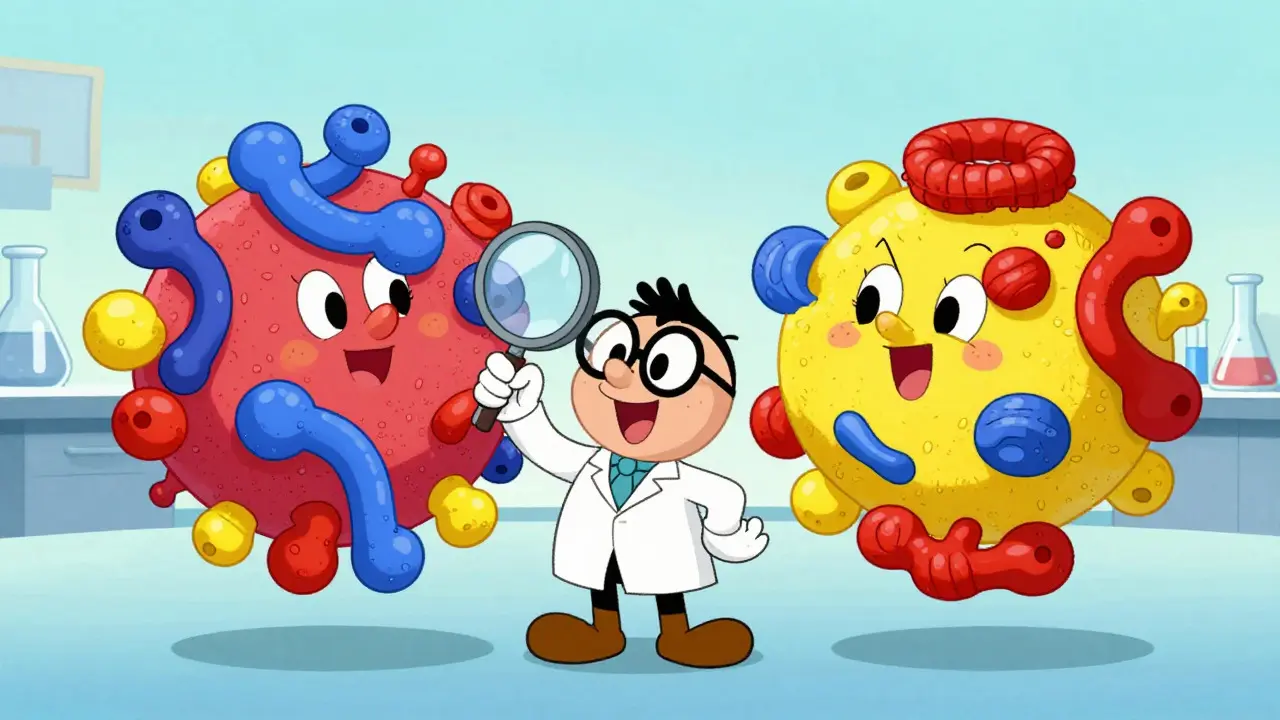
Biosimilars are different. They are large, complex proteins made by living cells (like yeast or hamster kidney cells). Think of them more like two hand-knitted sweaters than two factory-printed t-shirts. Even if you use the same pattern and yarn, slight variations in knitting tension result in slightly different textures. Similarly, manufacturing a biologic involves living systems that introduce natural variability. No two batches are exactly the same, even from the same manufacturer.
This means a biosimilar cannot be "identical" to the reference product (the original brand-name drug). Instead, it must be "highly similar." The legal definition comes from Section 351(k) of the Public Health Service Act, established by the Biologics Price Competition and Innovation Act (BPCIA) in 2010. The FDA’s job is to prove that these tiny differences don’t matter clinically. That proof is called demonstrating "biosimilarity."
The Three Pillars of the FDA Review Process
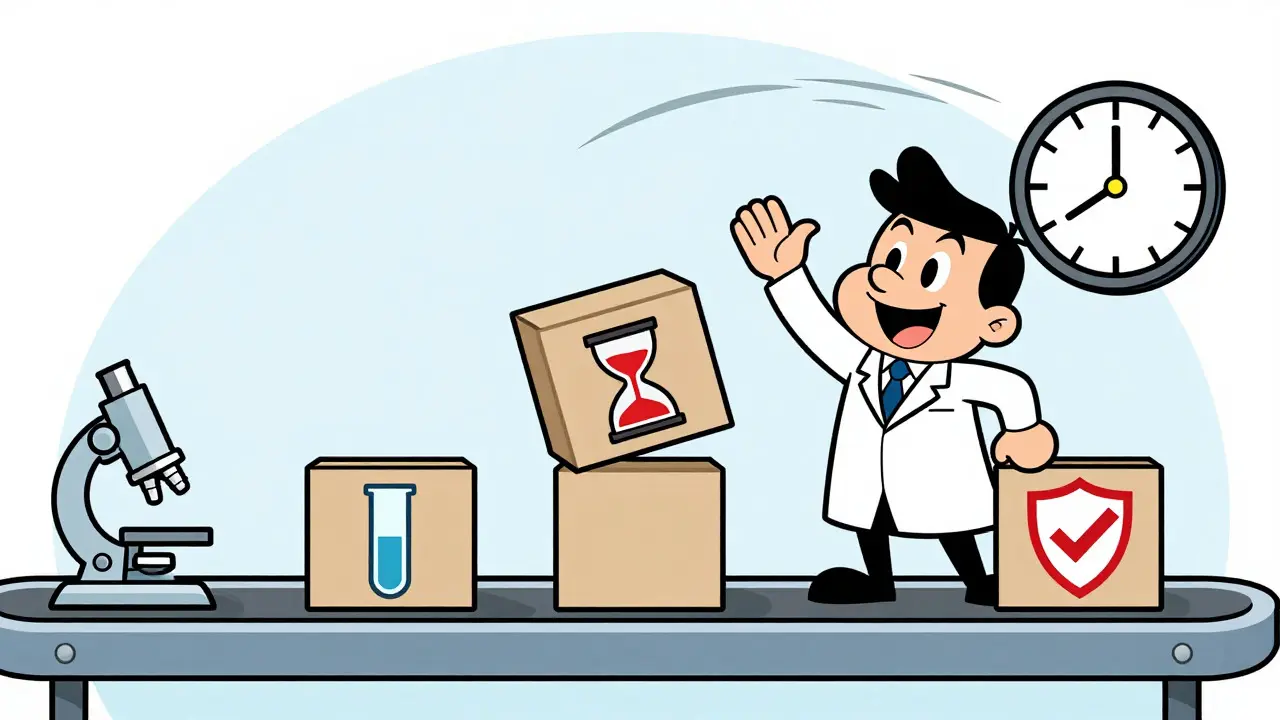
When a sponsor submits a Biologics License Application (BLA), the FDA reviewers look at three specific areas of data. Historically, the third pillar was the biggest bottleneck. Let’s break down what reviewers actually check.
- Analytical Studies: This is the structural comparison. Scientists compare the amino acid sequence, glycosylation patterns, and purity of the biosimilar against the reference product. Modern techniques like mass spectrometry allow them to look at over 200 quality attributes. If the structures match closely enough, this is a strong signal of similarity.
- Toxicity Assessment: Before human trials, the drug goes through non-clinical testing to ensure it isn’t toxic at expected doses. This is standard for any new drug but is particularly scrutinized for biologics due to their complexity.
- Clinical Data: This is where the old process got heavy. Traditionally, sponsors had to run comparative efficacy trials-large studies showing the biosimilar works just as well as the original. These trials took up to three years and cost millions. However, the October 2025 draft guidance suggests that if the analytical and pharmacokinetic (PK) data are robust, a full efficacy trial might not be necessary. Instead, a smaller study focusing on how the body handles the drug (PK) and immune response (immunogenicity) may suffice.
The 2025 Shift: Streamlining the Pathway
For a long time, the U.S. approach was stricter than the European Medicines Agency (EMA). In Europe, if your analytical data is perfect, you often skip the big clinical trial. In the U.S., you usually didn’t. This kept the number of approved biosimilars low compared to Europe, despite the high demand for lower-cost options.
The FDA’s updated recommendations aim to close this gap. The core idea is simple: modern science is better at predicting clinical outcomes from lab data than we used to think. If a monoclonal antibody is manufactured from clonal cell lines, is highly purified, and can be characterized analytically with high precision, the FDA now believes that PK and immunogenicity data are sufficient to demonstrate safety and potency.
This change has significant financial implications. According to industry analyses, development costs could drop from $100-$300 million per biosimilar to $50-$150 million. Timelines could shrink from 8-10 years to 5-7. For smaller biotech companies, this difference is the line between viability and bankruptcy. Only 12 of the 76 biosimilars approved so far came from companies with fewer than 100 employees, largely because the old process was too expensive for small players.
Interchangeability: The Confusion Around Substitution
Here is where things get tricky for patients and pharmacists. There is a designation called "interchangeable." If a biosimilar is designated interchangeable, a pharmacist can substitute it for the reference product without calling the doctor first. If it’s only "similar," the prescriber has to explicitly write the order for that specific biosimilar.
Historically, getting the interchangeable stamp required extra studies, often called "switching studies," to prove that going back and forth between the two drugs didn’t cause issues. In 2025, FDA Commissioner Marty Makary suggested that every biosimilar should effectively be considered interchangeable, arguing it’s a legislative term rather than a scientific one. While the formal regulatory framework still requires a separate application for interchangeability, the tone has shifted heavily toward making substitution easier.
This creates a bit of friction. Some states have their own laws restricting substitution, and many doctors remain hesitant. A survey by the Arthritis Foundation found that while 78% of patients were satisfied with biosimilar effectiveness, 41% had initial safety concerns. Much of this hesitation stems from uncertainty about whether their specific medication will be swapped at the pharmacy counter. As the FDA pushes for broader interchangeability, expect this administrative hurdle to smooth out, though state-level rules will likely lag behind federal guidance.
Comparing the U.S. and European Approaches
It helps to see how the FDA stacks up against its European counterpart. The EMA has been approving biosimilars since 2006 and has cleared over 100 products. The FDA approved its first in 2015. The table below highlights the key differences that have shaped market availability.
| Feature | FDA (U.S.) Post-2025 Guidance | EMA (Europe) |
|---|---|---|
| Clinical Trial Requirement | Efficacy trials no longer routinely required if analytical/PK data is robust. | Typically requires one comparative PK/PD study; efficacy trials rare. |
| Interchangeability | Separate designation required, but policy trend favors universal interchangeability. | No separate "interchangeability" status; substitution is governed by national reimbursement rules. |
| Development Cost Estimate | $50-$150 million (projected reduction). | Generally lower due to streamlined clinical requirements. |
| Market Penetration | ~23% share for eligible products. | ~67% share for eligible products. |
The data shows why the FDA is changing course. With biosimilars capturing only 23% of the market in the U.S. versus 67% in Europe, the economic argument for streamlining is strong. McKinsey & Company forecasts that if the U.S. catches up, biosimilars could capture 40-50% market share by 2030, saving the healthcare system roughly $150 billion annually.
What This Means for Patients and Providers
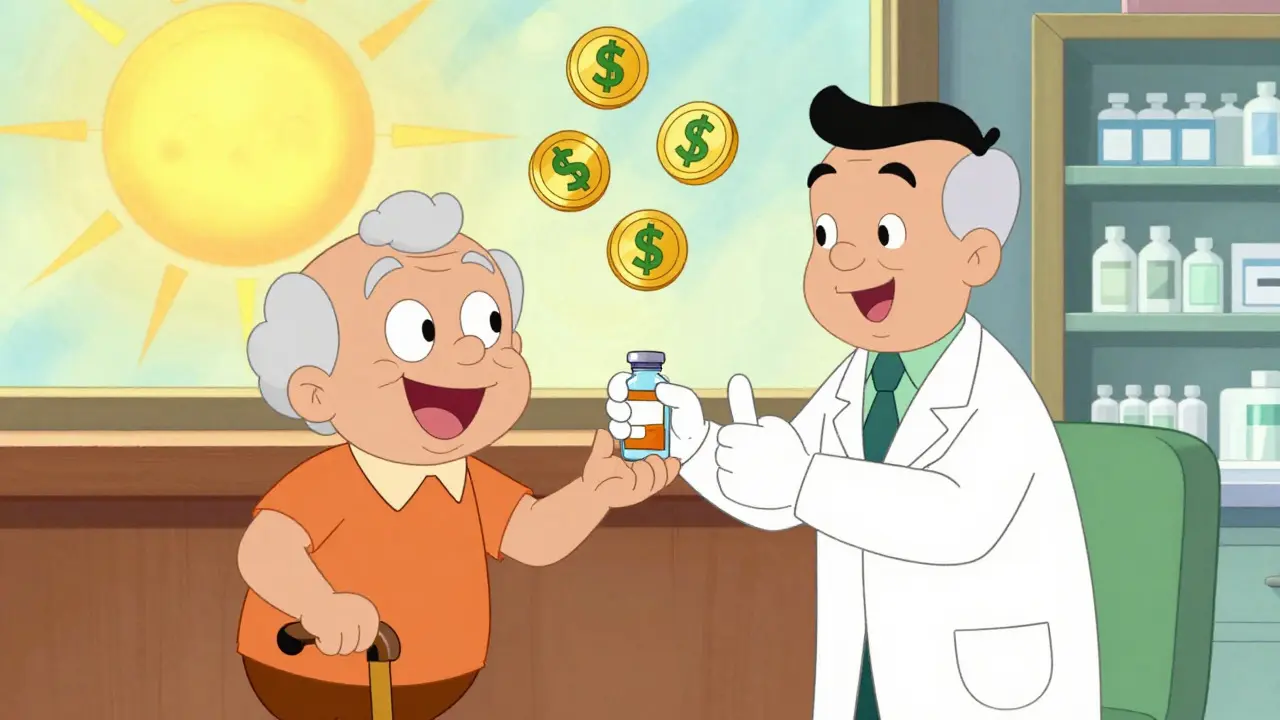
If you are a patient taking a biologic, the immediate benefit is potential cost savings. Insurance plans are increasingly adding biosimilars to their formularies to reduce premiums. Hospital systems like Mayo Clinic have already seen a 37% reduction in biologic drug costs after switching oncology treatments to biosimilars.
However, the transition isn't seamless. Many patients report minor side effect differences, such as injection site reactions, which can vary between the reference product and the biosimilar. This is normal given the molecular differences, but it’s worth discussing with your doctor if you notice changes after a switch. The good news is that for most chronic conditions, the clinical efficacy remains comparable. In a Reddit thread involving hundreds of rheumatoid arthritis patients, 63% reported comparable efficacy, while 22% noted minor side effect shifts.
For providers, the main challenge is staying updated on which products have received the interchangeable designation. As the FDA moves toward treating all biosimilars as interchangeable, the burden of checking substitution rules should decrease. But until legislation fully aligns with the FDA’s scientific stance, pharmacists in 34 states still face restrictive substitution rules. This creates an implementation gap that takes time to close.
Challenges That Remain
Don’t expect everything to go smoothly overnight. Two major hurdles persist. First, patent litigation. According to the FTC, 68% of approved biosimilars have faced patent delays. Reference product holders often file lawsuits to block entry, citing "patent thickets" around manufacturing processes. Second, public perception. Only 32% of patients are aware that biosimilars exist. Bridging this knowledge gap is crucial for adoption. If patients fear the switch, they may push back against insurance mandates, slowing uptake.
The FDA’s commitment to this pathway is backed by the Biosimilars User Fee Amendments (BsUFA III), which funds expedited reviews through 2027. The agency expects to increase annual approvals from 8-10 to 15-20 per year once the final guidance is implemented. Final guidance is expected by mid-2026, so we are entering a period of rapid expansion.
Is a biosimilar exactly the same as the brand-name biologic?
No, it is not identical. Because biologics are made by living cells, there are natural variations. A biosimilar is "highly similar" in structure, function, and clinical performance, but it may have minor differences in impurities or stability profiles that do not affect safety or efficacy.
Do I need my doctor's permission to switch to a biosimilar?
It depends on the specific product and your state. If the biosimilar has "interchangeable" status, a pharmacist can substitute it without contacting your doctor. If it only has "biosimilar" status, your doctor must prescribe that specific version. The FDA is moving toward making all biosimilars interchangeable, which would simplify this process.
Why are biosimilars cheaper than generics?
Biosimilars are generally more expensive than small-molecule generics because they require complex manufacturing using living cells and extensive testing to prove similarity. However, they are significantly cheaper than the original reference biologic, which carries high R&D and marketing costs protected by patents.
How long does the FDA review process take?
The total development timeline, including pre-clinical and clinical phases, typically ranges from 5 to 7 years under the new streamlined guidelines. The actual FDA review period after submission is usually 10 to 12 months, depending on whether additional information is requested during the evaluation.
Are biosimilars safe for long-term use?
Yes. Post-market surveillance data from Europe, where biosimilars have been used for nearly two decades, shows consistent safety profiles. In the U.S., early data confirms comparable efficacy and safety for chronic conditions like rheumatoid arthritis and Crohn's disease, with minor side effect variations being the most common report.



Categories