Chemotherapy Drug Interaction Checker
Select What You're Taking
Check items from your current regimen. This is for educational purposes only. Always consult your healthcare team.
Your Results
Risk Assessment:
No items selected yet
✓ Quick Safety Tips:
- Keep a master medication list
- Ask about timing gaps between medications
- Screen all supplements with your doctor
- Monitor lab work regularly
- Consult your pharmacist quarterly
How This Tool Works
This checker evaluates common interaction mechanisms including Cytochrome P450 enzyme pathways, additive toxicity patterns, and blood-thinning effects mentioned in current oncology guidelines. Results are based on general principles but should always be verified by your healthcare team.
Imagine taking a life-saving cancer treatment only to find your body isn't absorbing it because you ate a grapefruit or took a common pain reliever. Chemotherapy saves lives every day, but the path to safety involves navigating a minefield of potential drug interactions. You might think keeping your prescription list organized is just admin work, but for someone undergoing cancer treatment, every pill counts.
Around half of ambulatory cancer patients experience at least one potential drug interaction during treatment. That’s a huge number. These aren’t always fatal, but they can lead to severe side effects or make the treatment ineffective when you need it most. As we move further into 2026, the shift toward oral chemotherapy means you manage more of this at home. Knowing how cancer medicationswork together is the difference between staying stable and landing back in the hospital.
The Hidden Mechanisms of Interaction
Most people assume a "bad reaction" means two pills exploding in the stomach. It’s rarely that simple. Doctors classify these issues into three main buckets, though metabolic interactions are the biggest worry.
- Pharmacokinetic Interactions:
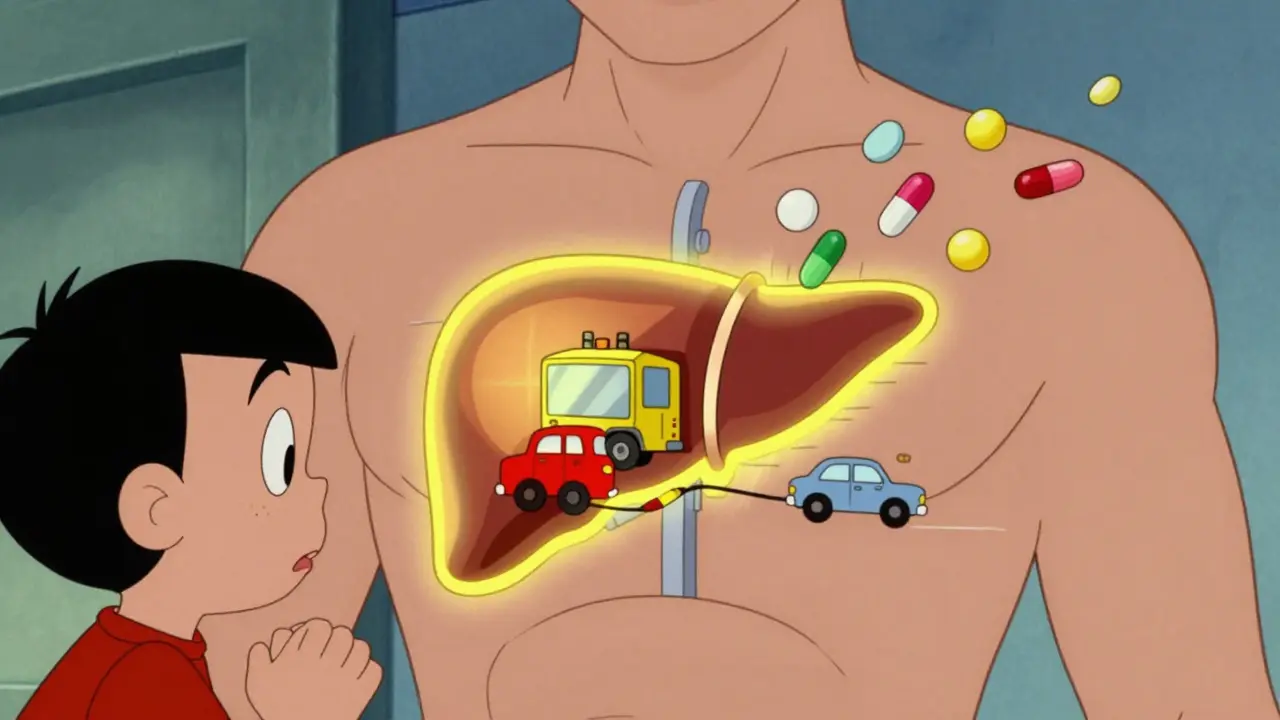
- This is how your body processes the drug. Imagine the liver as a factory gatekeeper. Sometimes, Drug A clogs the machine so Drug B can't get processed properly. Your levels of Drug B shoot up to toxic levels, or crash so low they stop working.
- Pharmacodynamic Interactions:
- Here, two drugs fight over the same target. If you take two medicines that strain your kidneys (like certain chemo agents mixed with NSAIDs), the damage adds up. It's called additive toxicity.
- Pharmaceutical Interactions:
- This is physical incompatibility. Mixing incompatible drugs in an IV bag can change their chemical structure before they even reach your blood.
The liver enzyme responsible for much of this traffic control is Cytochrome P450. Specifically, the CYP3A4 sub-family handles about 70% of all prescribed drugs. If you are on an inhibitor, your chemo stays in your system longer. If you are on an inducer, your body flushes the chemo out before it kills the cancer cells. It creates a balancing act that requires precision.
| Interaction Type | Mechanism | Risk Level |
|---|---|---|
| Metabolic | Cytochrome inhibition/induction | High |
| Additive Toxicity | Same organ stress | Medium |
| Synergistic Effects | Enhanced efficacy/toxicity | Varies |
The Kitchen Sink: Food and Supplements
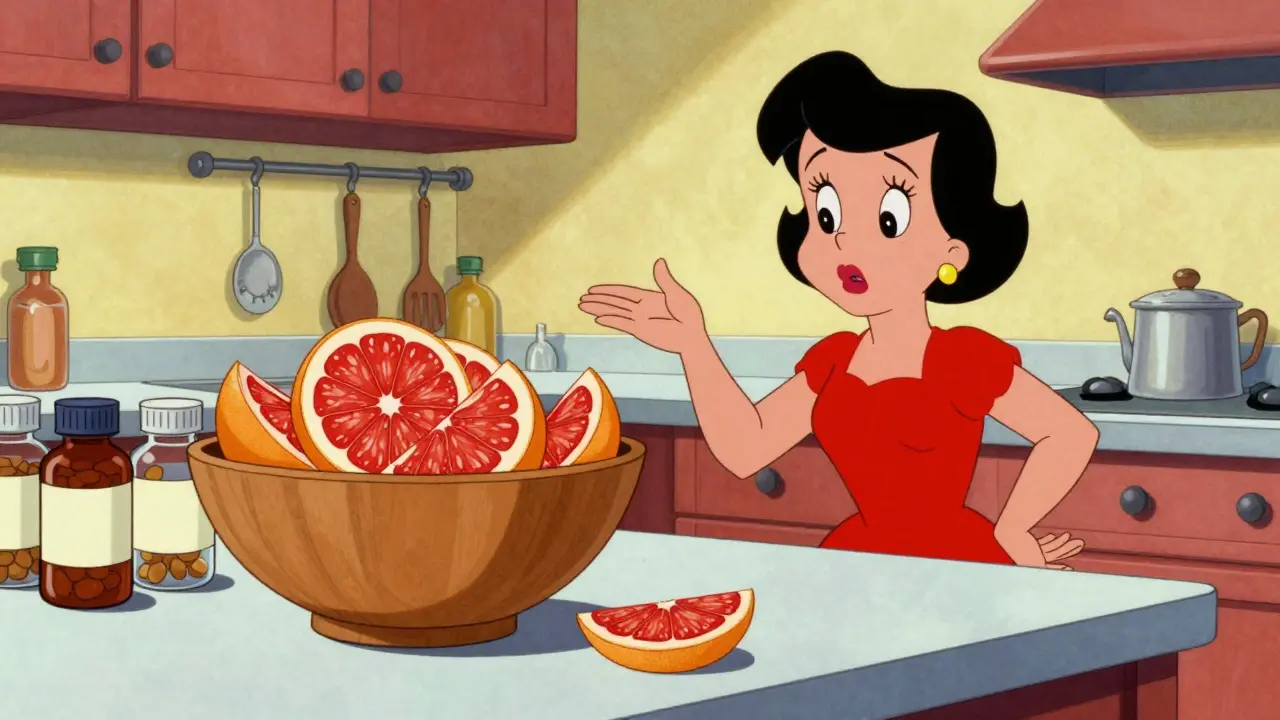
You might treat your pantry differently once you know the details. The most famous culprit is grapefruit. This isn't a myth; it contains compounds called furanocoumarins that shut down CYP3A4 enzymes permanently until new liver cells grow. If you eat this while on oral chemo like temozolomide, you risk overdose symptoms without changing your dosage.
But fruit isn't the only issue. Many patients try to support their immune system with natural supplements without telling their oncologist. This is risky because herbal supplements lack the regulation of pharmaceuticals. For instance, St. John's Wort speeds up liver enzymes, potentially lowering chemo concentrations below the effective range. Conversely, Vitamin E or Garlic supplements can thin your blood. When you pair those with blood-thinning chemo agents, the risk of spontaneous bleeding rises significantly.
Patients often report "surprise reactions" when combining pain relievers with anti-cancer drugs. Ibuprofen is a common example. While safe for a headache in general health, during chemo, it can interact with anticoagulants or increase kidney toxicity. Always verify with the pharmacist before adding anything to your routine.
Why Age Matters More Than You Think
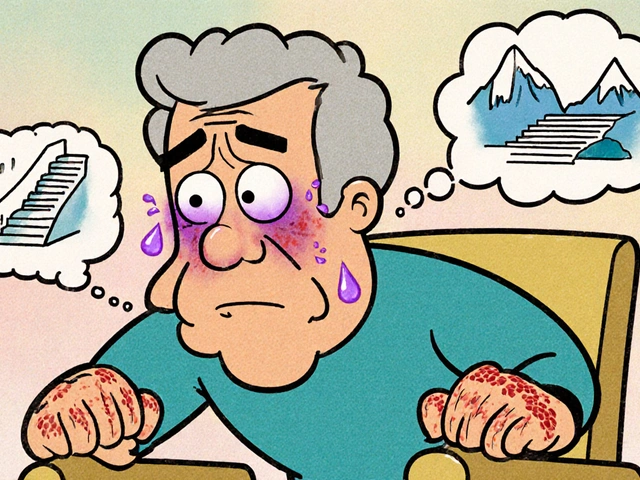
Your metabolism changes as you age. A study of patients over 70 showed that 75% had serious potential interactions. Why? Because older bodies often have lower kidney function and less fluid volume. The medicine sits in the system longer than the textbook calculations predict. Plus, older adults tend to manage multiple conditions like hypertension or diabetes. This brings us to polypharmacy.
Polypharmacy means taking five or more medications daily. In oncology, this complexity multiplies. Each new drug adds variables. A standard heart rhythm med might interfere with a cardiac-side-effect-prone cancer drug. The solution isn't necessarily stopping the cancer treatment, but streamlining the background medication. Sometimes, switching from five generics to two combos reduces the "noise" and lets the chemo work cleanly.
New Frontiers: Immunotherapy Risks
We used to think traditional chemo was the hardest part to manage. But modern immunotherapies, like immune checkpoint inhibitors, introduce unique immunological interactions. These drugs wake up your immune system to attack cancer. If another drug alters how your immune system perceives foreign substances, you could face severe skin reactions or liver inflammation.
In 2024, researchers highlighted that these interactions require specific timing strategies. Taking some co-medications right after the infusion versus days later can change outcomes. This level of detail makes the patient record a critical tool. It must list everything: vitamins, teas, prescriptions, and past allergies.
Practical Steps for Safe Management
Managing safety doesn't mean living in fear; it means living preparedly. Here is what you should do to protect yourself:
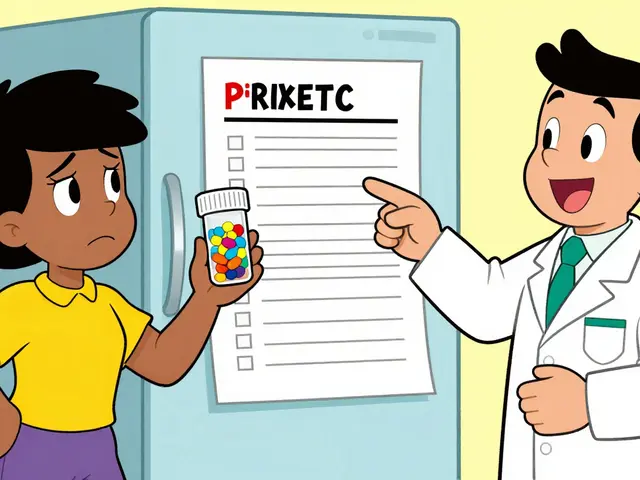
- Keep a Master List: Bring a printed list of everything to every appointment. Include dosages and who prescribed them.
- Ask About Timing: Don't just ask "Is this safe?" Ask "When should I take this relative to my chemo?" Some meds need a 2-hour gap.
- Screen Your Supplements: Tell your doctor about every herb or protein powder. Even green tea extract can metabolize differently.
- Monitor Lab Work: If your liver or kidney numbers spike unexpectedly, suspect an interaction before assuming disease progression.
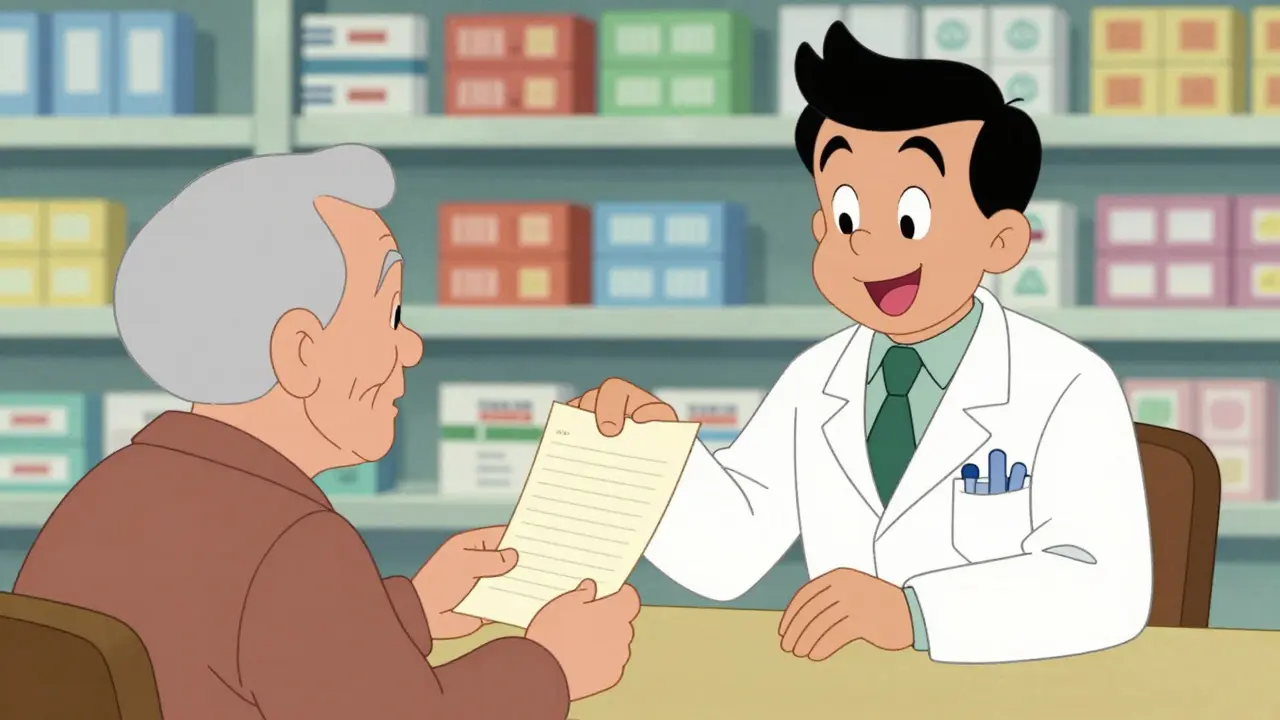
Hospitals now use specialized software like Lexicomp or Micromedex to flag clashes before prescribing. However, these systems sometimes flag false positives. Human judgment remains vital. Your pharmacist is the last line of defense; ask them to review your entire regimen quarterly.