
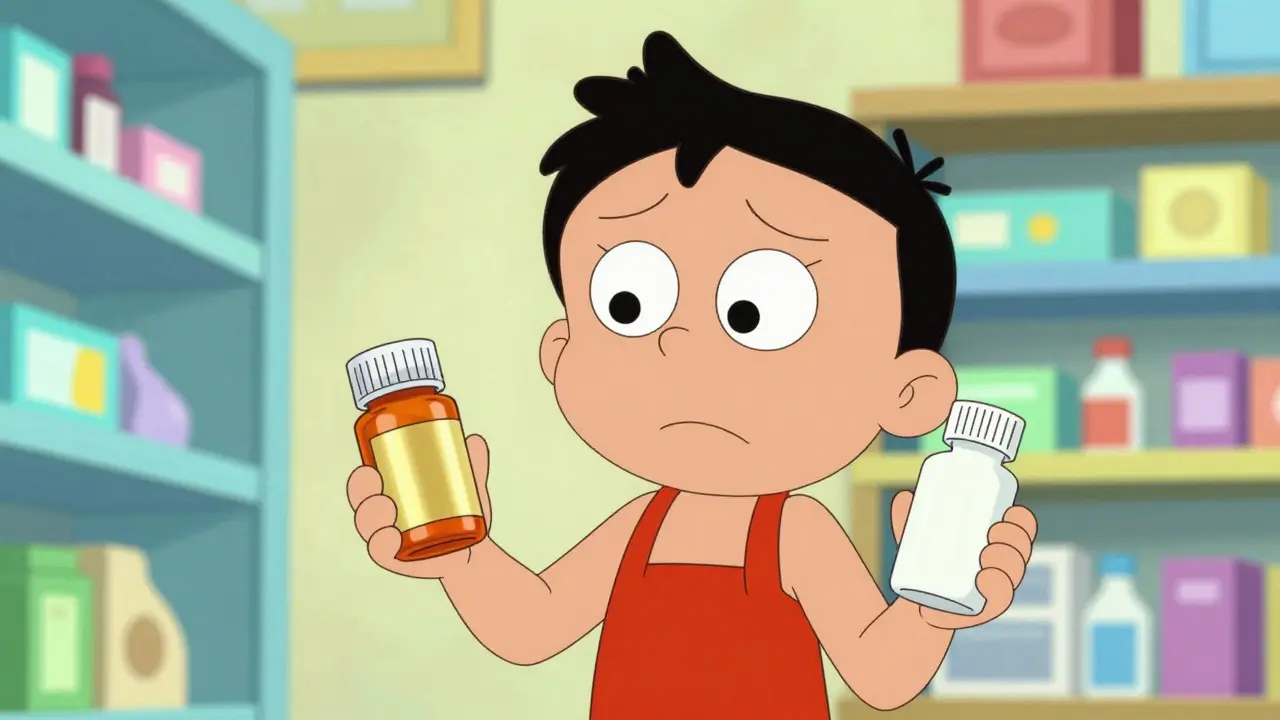
Imagine standing in the pharmacy aisle or sitting across from your doctor. You have a prescription for a common condition-maybe high blood pressure or anxiety. The doctor writes down the drug name. But here is the twist: you can take the original brand-name pill, which costs $50, or a generic version with the exact same active ingredient that costs $5. Logically, the choice seems obvious. Yet, millions of patients insist on paying the premium for the brand. Why? It isn't just about money; it’s about trust, fear, and deep-seated psychological habits.
This phenomenon, known as brand loyalty in medications, is the persistent preference for specific pharmaceutical brands over cheaper generic alternatives despite scientific evidence confirming their therapeutic equivalence. It creates a strange paradox in modern healthcare. While generics make up roughly 90% of all prescriptions written in the United States by volume, brand-name drugs still capture nearly 78% of total pharmaceutical revenue. That massive gap exists because people are willing to pay significantly more for the label they know. Understanding why this happens requires looking beyond chemistry and into human behavior.
The Psychology Behind the Pill Bottle
At its core, choosing a medication is an act of vulnerability. You are putting a chemical substance into your body hoping it will fix something broken inside you. When that process feels uncertain, humans naturally gravitate toward familiarity. This is where psychological comfort comes from relying on established safety profiles and marketing-induced associations between brand names and positive health outcomes.
Research published in the Indian Journal of Marketing in 2023 highlights this clearly. A study involving 296 users in Delhi-NCR found a strong correlation (r=0.67) between "brand experience" and loyalty. In simple terms, if a patient has had a good experience with a specific brand's packaging, taste, or perceived reliability, they stick with it. Emotional attachment mediates the relationship between trust and loyalty. For many, the brand name isn't just a label; it represents a promise of consistency. Even though regulatory bodies like the FDA ensure that generics are bioequivalent-meaning they deliver the same amount of active ingredient into the bloodstream within a specific time frame-the *feeling* of taking the "real" thing provides a placebo-like reassurance that the generic cannot match.
This effect is particularly strong among younger generations. A 2022 Fortune survey revealed that 35% of Gen Z consumers prefer brand-name medications, even though these drugs can be 79% more expensive than their generic counterparts. For this demographic, brand trust is "value-driven." They want proof of quality and safety before committing. If the brand feels premium, safer, or more effective in their minds, they will pay for it. It’s less about the molecule and more about the message the brand sends about their own well-being.
The Role of Doctors and Prescribing Habits
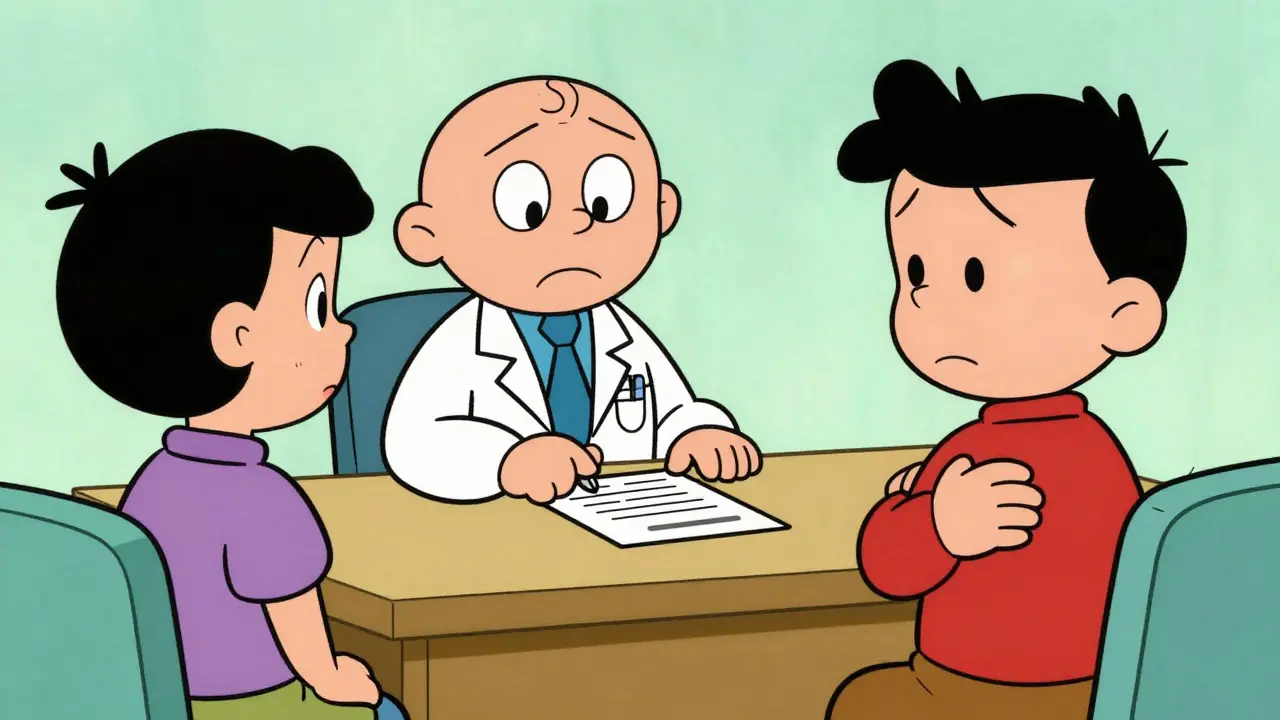
You might assume doctors are purely logical, prescribing based solely on efficacy and cost. However, physicians are humans too, and they carry biases. A 2023 GlobalData survey showed that approximately 40% of physicians would prescribe branded drugs if cost weren't a primary factor. This number jumps dramatically in certain regions: 57% of Japanese physicians and 50% of Spanish physicians expressed a preference for brand-name prescriptions.
Why do doctors lean toward brands? One major reason is risk aversion. Dr. Hiroshi Tanaka’s research in the Japan Pharmaceutical Review noted that regulatory differences play a role. In some countries, the approval standards for generics are perceived as stricter or looser compared to the U.S. FDA, influencing physician confidence. Additionally, when treating chronic diseases or patients with special insurance coverage, over 70% of doctors tend to prescribe original drugs. They may fear that switching a stable patient to a generic could cause subtle fluctuations in symptoms, leading to complaints or complications. It’s easier to stick with what has worked historically, even if the science says the alternative is identical.
This dynamic creates a feedback loop. If a doctor prescribes a brand, the patient associates recovery with that brand. If the doctor switches to a generic and the patient experiences any side effects (even unrelated ones), the patient blames the switch. This reinforces the doctor’s hesitation to use generics in the future, perpetuating brand loyalty across the healthcare system.
When Brand Loyalty Makes Medical Sense
While much of brand loyalty is psychological, there are specific medical scenarios where sticking to a brand-or at least a consistent manufacturer-is medically justified. Not all medications are created equal in how our bodies process them.
Consider psychiatric medications. These drugs often operate within a narrow "therapeutic window," meaning the difference between an effective dose and a non-effective one is very small. Patients with depression or anxiety are highly sensitive to changes in their regimen. Reddit discussions in r/pharmacy reveal that 68% of comments express concern about generic substitution causing therapeutic fluctuations. One user with 1,243 upvotes stated, "I've tried three different generics of my antidepressant and only the brand name works consistently." While the active ingredient is the same, inactive ingredients (fillers, binders, dyes) differ between manufacturers. For some individuals, these fillers can affect absorption rates or trigger mild allergic reactions, altering how the drug performs in their unique biology.
Similarly, antiepileptic drugs show lower generic penetration (only 52% according to FDA data in 2023) compared to statins (98%). Seizure control requires extreme stability. A slight variation in how quickly a drug dissolves could theoretically impact seizure frequency. In these cases, brand loyalty isn't just stubbornness; it’s a strategy to maintain physiological equilibrium. Patients and doctors agree that the risk of switching outweighs the financial savings.
The Economic Reality: Cost vs. Consistency
Let’s talk numbers, because they tell a stark story. The global generic pharmaceutical market was valued at $408.4 billion in 2022 and is projected to reach $720.3 billion by 2028. Despite this growth, brand-name drugs hold disproportionate power. In the U.S., while generics account for 90% of prescriptions by volume, they represent only 22% of spending. Brand-name drugs average 79% higher prices than generics without offering proven therapeutic benefits for most conditions.
This price sensitivity varies wildly by education level. A 2023 study published in PMC found that lower-educated consumers had 1.54 times higher odds of remaining brand loyal regardless of price changes. This seems counterintuitive-you might expect those with less money to be more price-sensitive. However, the study suggests that for these groups, medicine is viewed as a critical necessity where "cheaper" feels risky. They perceive the brand as a safeguard against poor quality. Conversely, financially savvy users, like those in the r/personalfinance community, often advocate for generics. One user shared saving $4,200 over ten years by using generics exclusively, arguing that the clinical difference is negligible for most ailments.
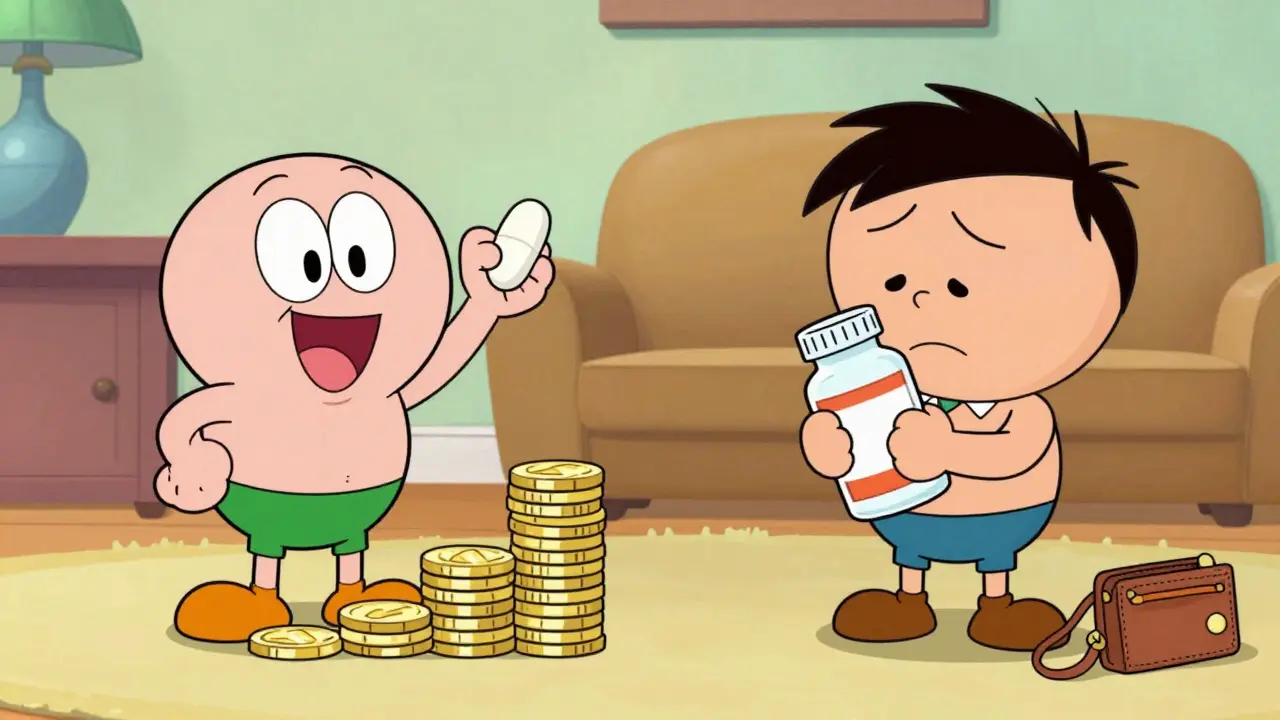
Insurance companies are fighting back against this loyalty. By 2023, 68% of large employers implemented tiered formularies that charge higher copays for brand-name drugs when generics are available. This financial pressure forces patients to confront their preferences. Will you pay an extra $40 out of pocket for peace of mind, or save the money and trust the generic?
| Factor | Brand-Name Drugs | Generic Drugs |
|---|---|---|
| Cost | Average 79% higher price | Significantly lower cost |
| Active Ingredient | Identical to generic | Identical to brand |
| Patient Trust | High (perceived quality/safety) | Variable (concerns about fillers) |
| Market Share (U.S.) | 78% of revenue | 90% of prescription volume |
| Best For | Narrow therapeutic index drugs (e.g., epilepsy, psychiatry) | Common conditions (e.g., hypertension, antibiotics) |
The Future of Medication Loyalty
As we look toward 2030, the landscape of brand loyalty is shifting. The FDA’s recent initiatives, such as the Generic Drug User Fee Amendments (GDUFA III), aim to accelerate generic approvals to combat high pricing. Commissioner Robert Califf stated in June 2023 that increasing generic competition remains a top priority. Meanwhile, the rise of biosimilars-generic versions of complex biologic drugs-presents new challenges. Only 32% of eligible patients switched to biosimilars within the first year of availability, showing that brand loyalty is even stronger for complex treatments.
Deloitte’s 2023 Global Health Care Outlook predicts that brand loyalty will gradually decline as direct-to-consumer advertising regulations tighten and generic market share rises to 95% by volume. However, McKinsey forecasts that premium brand-name drugs with strong patient support programs will maintain a 35-40% market share in key areas through 2028. The future likely holds a split: commodity drugs like antibiotics will become almost entirely generic, while specialty pharmaceuticals will retain strong brand allegiance due to the complexity of care and patient support networks.
Frequently Asked Questions
Are generic medications exactly the same as brand-name drugs?
Generics contain the same active ingredient, strength, dosage form, and route of administration as the brand-name drug. They must meet the same quality and performance standards set by regulatory agencies like the FDA. However, they may differ in inactive ingredients (such as colors, flavors, or preservatives). For most patients, these differences do not affect effectiveness, but for a small subset, they can influence tolerance or absorption.
Why do some patients refuse to switch to generics?
Patients often refuse generics due to psychological factors like trust in the original brand, fear of unknown side effects from different fillers, or past negative experiences with substitutions. Studies show that emotional attachment and perceived quality assurance drive this loyalty, even when scientific evidence confirms bioequivalence.
Is it safe to switch between different generic manufacturers?
For most medications, yes. Regulatory agencies require generics to demonstrate bioequivalence, meaning they perform similarly in the body. However, for drugs with a narrow therapeutic index (like certain heart or seizure medications), switching manufacturers can sometimes lead to minor variations in blood levels. In these cases, doctors may recommend staying with one specific manufacturer, whether brand or generic.
Do doctors prefer prescribing brand-name drugs?
Surveys indicate that a significant portion of physicians (around 40% globally, higher in some regions like Japan and Spain) prefer brand-name drugs if cost is not a barrier. This preference often stems from training, familiarity, and caution regarding potential variability in generic formulations, especially for chronic conditions.
How does insurance affect the choice between brand and generic?
Most insurance plans use tiered formularies that charge lower copays for generic drugs and higher copays for brand-name drugs. This financial incentive encourages patients to choose generics. However, if a patient insists on a brand, they often face significant out-of-pocket costs, which can impact adherence to treatment plans.
Categories